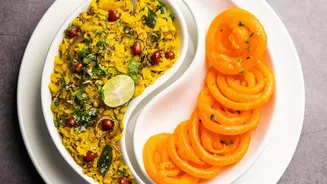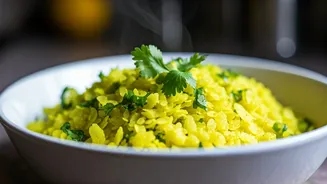






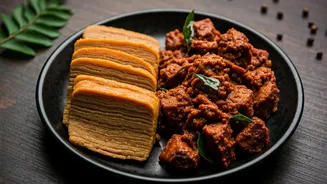

What is Poha?
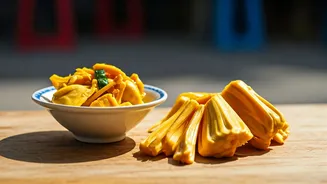
Poha is essentially flattened rice, a popular breakfast dish throughout India. It’s light, easy to digest, and incredibly versatile. The beauty of Poha lies
in its simplicity; it requires minimal ingredients and cooking time. It’s also adaptable, allowing for variations based on regional preferences and available vegetables or spices. This dish provides a good source of carbohydrates, making it a filling and energizing meal, perfect for kickstarting your day.
Ingredients You'll Need
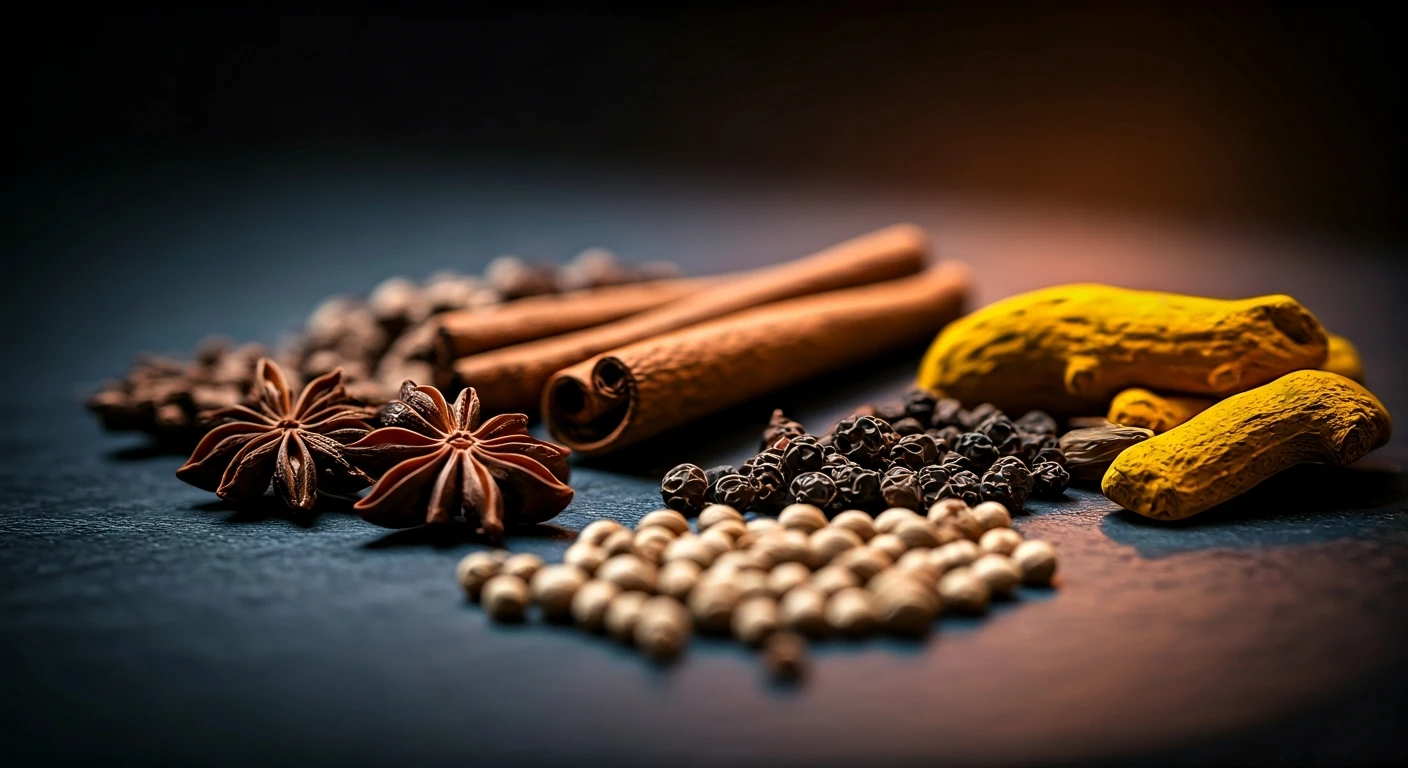
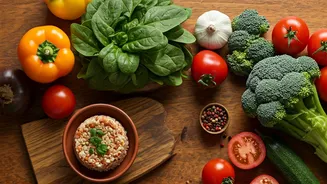
The beauty of Poha lies in its simplicity. The core ingredients are straightforward: you’ll need thick or thin flattened rice (depending on your preference), onions, potatoes, green chilies, mustard seeds, turmeric powder, and salt. Other optional ingredients include curry leaves, peanuts, fresh coriander leaves, and lemon juice. These additions elevate the flavor profile. Some recipes call for a touch of sugar to balance the flavors. Ensure you have fresh ingredients on hand for the best taste.
Preparing the Poha
Before cooking, the flattened rice needs preparation. Gently rinse the poha under running water for a few seconds. Do not soak for too long, as this can make the poha mushy. The goal is to soften the rice slightly. Once rinsed, drain any excess water and set the poha aside. In a pan, heat oil, add mustard seeds, and let them splutter. Then, add chopped onions, green chilies, and curry leaves. Sauté until the onions turn translucent and slightly golden. The aroma of the tempering sets the stage for the dish.
Adding Spices & Veggies
Next, introduce the vegetables and spices. If using, add chopped potatoes and sauté them until they soften a bit. Include turmeric powder for color and flavor. Stir in the softened poha and mix everything gently. Ensure all the ingredients are well combined. Add salt according to taste. Be careful not to overcook the poha. It should remain slightly fluffy and not become a sticky mass. Cooking it for the right amount of time is key.
Cooking & Serving
Once the poha is well mixed with the spices and vegetables, cover the pan and let it cook for a few minutes. This allows the flavors to meld together. After a couple of minutes, check the poha; it should be soft and well-cooked. If it appears dry, sprinkle a little water and stir. Garnish generously with fresh coriander leaves, and if desired, add roasted peanuts for a delightful crunch. Serve hot, with a squeeze of fresh lemon juice, to add a zesty finish. Poha is often enjoyed with a cup of tea or coffee.
Tips for Perfection
Achieving the perfect Poha requires attention to detail. Using the right type of flattened rice is crucial. Thick poha holds its shape better, while thin poha cooks faster. Avoid over-soaking the poha, which can lead to a mushy texture. Sauté the onions until they are golden brown for enhanced flavor. Adjust the spices to suit your preference. Always taste and adjust the seasoning. The key is to handle the poha gently to retain its fluffy texture. Enjoying the process and making it your own is the secret.
Variations to Explore
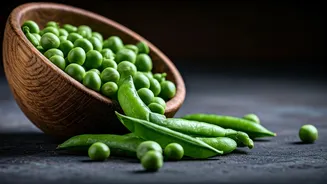
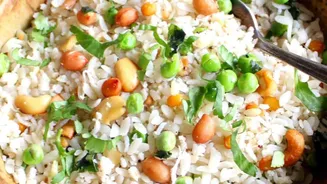
Poha is incredibly adaptable, offering numerous variations. You can experiment with different vegetables like peas, carrots, or even bell peppers. Add a touch of sweetness by including a pinch of sugar. For a richer flavor, consider adding a dash of ghee during the tempering process. Some people enjoy adding a sprinkle of sev (crispy gram flour noodles) for added texture. You could also try adding some grated coconut for sweetness and flavor. These additions cater to individual preferences and regional tastes.