





Understanding Nyepi's Essence
Nyepi marks the Balinese Saka New Year, a profound period dedicated to introspection and spiritual cleansing. The island observes a 24-hour cessation of all
activities, embodying four key principles: Amati Geni (no fire or light), Amati Karya (no work), Amati Lelanguan (no entertainment), and Amati Lelunganan (no travel). This widespread stillness, including the closure of the airport and suspension of public services, aims to deceive evil spirits into believing the island is uninhabited. While seemingly restrictive, this day offers a unique window into Balinese culture and a chance for personal reflection, distinct from the usual tourist hustle.
Preparing for Stillness
For travelers planning to be in Bali during Nyepi, thorough preparation is essential. It is highly recommended to book accommodation well in advance, as hotels often provide special Nyepi packages including meals and in-house activities, and rooms can be scarce. Stocking up on food, water, and any personal necessities is crucial, as movement and commerce are halted for the day. Familiarizing yourself with the local customs and understanding the significance of Nyepi will enhance the experience. Most importantly, embrace the mandated silence and tranquility, viewing it as an opportunity to disconnect and recharge away from the usual demands of daily life.
Tourist Experience During Nyepi
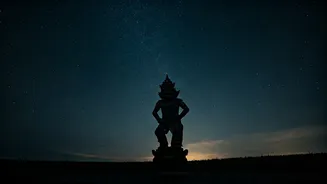
While the island observes strict silence, tourists are typically permitted to remain within their hotel premises. Many accommodations cater to guests by offering special menus, and organizing indoor activities such as yoga, meditation sessions, board games, or movie screenings. Having a balcony can provide an exceptional vantage point to observe the unusually quiet island and marvel at the unpolluted night sky, which becomes a canvas for exceptionally bright stars. Engaging with hotel staff can also offer valuable insights into Balinese traditions and the deeper meaning behind Nyepi, enriching the overall experience.
Maximizing the Nyepi Experience
To truly benefit from Nyepi, consider it a chance to disconnect and rejuvenate. Reading a book, meditating, or journaling are excellent ways to embrace the stillness. The absence of light pollution transforms the night into a spectacular stargazing opportunity; your hotel balcony becomes the perfect observatory. Conversations with hotel staff can be insightful, providing cultural context. Patience and flexibility are key, as services are limited. Don't miss the vibrant Ogoh-Ogoh parades on the eve of Nyepi, a visually striking spectacle that contrasts sharply with the silence of the following day.
Pre-Nyepi Rituals and Activities
The days leading up to Nyepi are filled with important preparatory rituals. The Melasti procession involves taking sacred temple effigies to water bodies for purification, often accompanied by music and vibrant local attire, signifying a cleansing before the new year. Additionally, many Balinese visit Pura Tirtas, or water temples, for personal purification, washing away negative energies. While Pura Tirta Empul is well-known, lesser-known temples offer a more tranquil experience. The SAKA Museum in Jimbaran provides historical context and showcases fearsome Ogoh-Ogoh statues, offering a deeper understanding of Balinese traditions.
Ogoh-Ogoh Parades and Hotel Choices
On the eve of Nyepi, the Pengerupukan ritual features energetic Ogoh-Ogoh parades. These involve carrying large, often terrifying, effigies of demons through the streets, accompanied by gamelan music and festive noise, with the effigies traditionally burned afterward. These parades serve to ward off evil spirits and are the antithesis of the subsequent day's silence. Major parades occur in Denpasar, but smaller ones are found throughout the island. Choosing the right hotel is crucial for Nyepi; properties with extensive grounds and diverse on-site activities can prevent feelings of confinement and ensure a more engaging experience during the 24-hour quiet period.