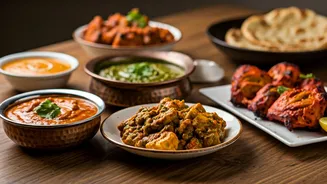




Punjabi Cuisine: A Review
Punjabi food, with its vibrant spices and rich textures, is a culinary staple in India. It's often associated with dishes laden with ghee, butter, and cream,
raising questions about its nutritional value. However, the cuisine also incorporates nutritious ingredients like lentils, vegetables, and lean proteins. Nutritionists are increasingly recognizing the potential of Punjabi cuisine when prepared mindfully, balancing traditional recipes with health-conscious modifications. This section sets the stage, providing a context for understanding the complexities of Punjabi food and its impact on health.
Key Nutritional Components
A closer look at Punjabi dishes reveals their nutritional diversity. Many dishes rely on whole grains like wheat and millets, providing essential fiber. Lentils and legumes are another cornerstone, offering plant-based protein and iron. Vegetables like spinach, mustard greens (sarson), and various root vegetables add vitamins, minerals, and antioxidants. The use of dairy products, particularly ghee and butter, contributes fats and calories. Spices, an integral part of Punjabi cooking, not only enhance flavor but also offer health benefits. Turmeric, for instance, is known for its anti-inflammatory properties. The nutritional profile, however, varies significantly based on preparation methods and ingredient choices. The key is understanding these components to make informed dietary choices.
Badshah's Favorite Dishes
While specific details about Badshah’s exact diet are not explicitly provided in the source material, we can consider common Punjabi dishes he might enjoy. Think about the classic butter chicken, a creamy, tomato-based dish with marinated chicken. Then there's chole bhature, a combination of spicy chickpea curry with deep-fried bread. Sarson da saag with makki di roti, a dish of mustard greens served with cornmeal flatbread, is also iconic. Each of these dishes has a unique blend of ingredients, impacting their nutritional content. Butter chicken is high in fat and calories, while chole bhature provides a mix of carbohydrates, protein, and fat. Sarson da saag, if prepared with less oil, offers vitamins and fiber. A balanced approach and portion control can still allow these dishes to be incorporated into a healthful diet.
Nutritional Decoding: Insights
Nutritionists often analyze dishes to understand their nutritional value, providing insights on how to make healthier choices. Butter chicken, for example, could be made leaner by using less cream or opting for skinless chicken. Chole bhature can be balanced by having a smaller portion of the fried bhature and increasing the serving of chole, packed with protein and fiber. Similarly, the use of healthier cooking methods, such as grilling or baking, can reduce the fat content. Portion sizes also play a vital role. Enjoying these dishes in moderation, alongside a variety of other nutrient-rich foods, can help maintain a balanced diet. Nutritionists emphasize mindful eating practices and awareness of ingredient choices to make Punjabi cuisine work for health.
Adapting Punjabi Food
Adaptation is key when aiming to enjoy Punjabi food in a health-conscious way. There are several modifications that can be implemented to make the dishes healthier. For butter chicken, using low-fat cream or yogurt, and reducing the amount of butter can significantly decrease the fat content. For chole bhature, baking the bhature instead of deep frying them is a healthier alternative, as is including a large serving of fresh salad. When cooking sarson da saag, minimizing the amount of oil while incorporating fresh, green vegetables like spinach and fenugreek can provide more nutrients. Cooking at home allows for greater control over ingredients and portion sizes. These adaptations ensure you don’t miss out on the rich flavors while adhering to dietary guidelines.
The Balanced Plate
Creating a balanced plate is crucial for any diet. A balanced Punjabi meal should incorporate all the essential food groups in the right proportions. Start with a foundation of complex carbohydrates, such as whole-wheat roti or brown rice. Include a generous portion of protein from sources like lentils, chickpeas, or lean meats. Add a substantial amount of vegetables, such as a side of mixed greens, a vegetable curry, or a fresh salad. Portion control is also critical; it is recommended to manage portions to avoid overeating. Using a smaller plate can help with portion control, making it easier to eat a balanced meal without excessive calories. This approach allows one to enjoy the flavors of Punjabi cuisine while supporting overall well-being.
Mindful Eating Practices
Mindful eating plays a significant role in making healthy dietary choices. It involves paying full attention to the experience of eating, noticing the flavors, textures, and aromas of the food. It also means being aware of feelings of hunger and fullness. When eating Punjabi food, practice slowing down and savoring each bite. This aids in better digestion and helps in recognizing when one is full, reducing the likelihood of overeating. Choosing to eat without distractions, such as television or the phone, allows one to focus entirely on the food. Becoming aware of food choices and the portion sizes is also essential for mindful eating, making it easier to stay on track with health goals.
Beyond The Diet
In addition to nutritional considerations, a holistic approach to health emphasizes the importance of overall lifestyle choices. Regular exercise is essential for burning calories and maintaining a healthy weight. Aim for at least 150 minutes of moderate-intensity exercise per week. Staying hydrated is also very important, so drinking water throughout the day. Getting enough sleep, generally 7-9 hours per night, is crucial for both physical and mental health. Managing stress through practices like yoga, meditation, or spending time in nature is beneficial as well. These practices complement dietary choices, creating a comprehensive approach to health and wellness. This approach is not limited to those following any specific diet; it’s a lifestyle strategy to achieve a healthy life.