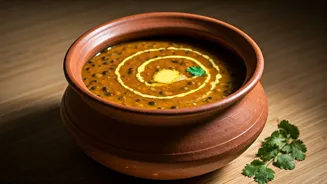






The Heart of Langarwali Dal
Langarwali Dal is more than just a lentil dish; it embodies a deep sense of tradition and comfort, often associated with communal kitchens where it's prepared
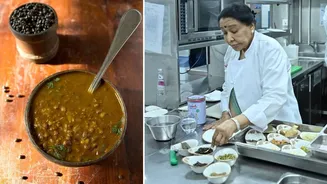
with immense care and served generously. This particular recipe, inspired by Chef Sanjeev Kapoor, emphasizes that true culinary magic lies in patience and simplicity, creating a rich, creamy texture without resorting to artificial thickeners or excessive dairy. The foundation of this dal is a blend of whole black gram (sabut urad) and Bengal gram (chana), which, when slow-cooked, develop a wonderfully smooth consistency. It’s a testament to how straightforward ingredients, when treated with respect and time, can yield profoundly satisfying results, pairing beautifully with everyday staples like roti and rice. Chef Kapoor highlights that this dal is a culinary hug, a reminder that devotion in cooking transforms basic food into something truly special and fulfilling.
Essential Ingredients & Preparation
To begin crafting Chef Sanjeev Kapoor's Langarwali Dal, you'll need 1 1/2 cups of whole black gram (sabut urad) and 1/2 cup of Bengal gram (chana). These form the creamy base of the dish. For seasoning, gather 1 1/4 teaspoons of turmeric powder, 2 1/2 teaspoons of red chilli powder, and salt as per your taste. The aromatic foundation comes from 2 medium onions, 2-3 green chillies, 6-8 garlic cloves, and a 1-inch piece of ginger. The tempering, or 'tadka,' requires 2 tablespoons of ghee, 1 1/2 teaspoons of cumin seeds, 2 medium tomatoes, 1 1/2 teaspoons of coriander powder, and 1 1/2 teaspoons of garam masala powder. Finally, fresh coriander leaves, about 2 tablespoons, will be used for garnishing. The initial step involves meticulously washing the whole black gram and Bengal gram separately several times before soaking them in ample water for a significant duration of 6 to 8 hours. This soaking period is crucial for softening the lentils, ensuring they cook evenly and quickly.
Cooking the Lentils
After the lentils have been adequately soaked, they need to be rinsed again before moving to the pressure cooking stage. Place the washed black gram and Bengal gram into a pressure cooker, adding sufficient water to cover them generously. Incorporate 1/2 teaspoon of turmeric powder, 1 teaspoon of red chilli powder, and salt to taste into the cooker. Seal the lid and cook for approximately 4 to 6 whistles on medium heat. This process ensures the lentils are thoroughly cooked and begin to break down, contributing to the dal's signature creamy texture. While the lentils are under pressure, you can prepare the aromatic base. Slice the onions thinly and crush the green chillies, garlic cloves, and ginger using a mortar and pestle to create a coarse paste. This step allows the flavors to meld beautifully during the sautéing process.
Building the Flavor Base
In a deep pan or kadai, heat 2 tablespoons of ghee over medium heat. Once the ghee is shimmering, add 1 1/2 teaspoons of cumin seeds. Allow the cumin seeds to splutter and change color, releasing their fragrant aroma. Next, introduce the sliced onions into the hot ghee. Sauté the onions, stirring occasionally, until they achieve a beautiful golden-brown hue. This caramelization process adds a layer of sweetness and depth to the dal. Once the onions are perfectly golden, add the crushed ginger, garlic, and green chilli paste to the pan. Sauté this mixture for about a minute, or until the raw smell of the ginger and garlic dissipates. Then, add the finely chopped tomatoes and sauté until they soften and become mushy, creating a thick paste.
Spices and Simmering
With the aromatic base well-developed, it's time to incorporate the powdered spices. Add the remaining turmeric powder (1/2 teaspoon), remaining red chilli powder (1 1/2 teaspoons), 1 1/2 teaspoons of coriander powder, and 1 1/2 teaspoons of garam masala powder to the pan. Mix these spices thoroughly with the onion-tomato mixture and sauté for 2 to 3 minutes over low heat. This slow sautéing allows the spices to bloom and release their full flavor without burning. Add a splash of water if the mixture seems too dry, ensuring it cooks evenly. After the spices are well-cooked, pour in some water (the exact amount can be adjusted based on your desired consistency) and mix well. Let this sauce simmer for another 1 to 2 minutes. Now, carefully add the cooked and mashed dal from the pressure cooker into this flavorful base. Adjust the salt if necessary and use a wooden churner or the back of a ladle to further mash the lentils against the side of the pan, enhancing the creamy texture.
Finishing Touches
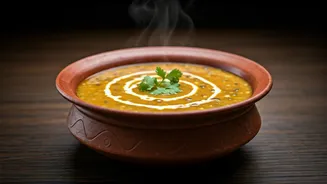
Allow the Langarwali Dal to simmer gently for about 5 minutes after adding the cooked lentils. This simmering period is essential for the flavors to meld together beautifully and for the dal to achieve its signature thick, velvety consistency. Stir occasionally to prevent sticking. Once the dal has reached the desired texture and the flavors have harmonized, stir in the freshly chopped coriander leaves. This adds a burst of freshness and a vibrant aroma to the dish. Remove the pan from the heat immediately after adding the coriander. For the authentic Langarwali Dal experience, serve the dal hot, generously drizzled with a spoonful of ghee on top. This final touch of ghee enhances the richness and provides that unmistakable aromatic finish, making the dish truly special and comforting.