





Embrace the Sobremesa
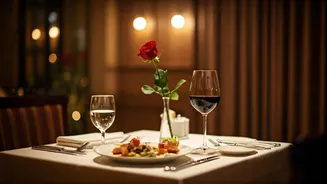
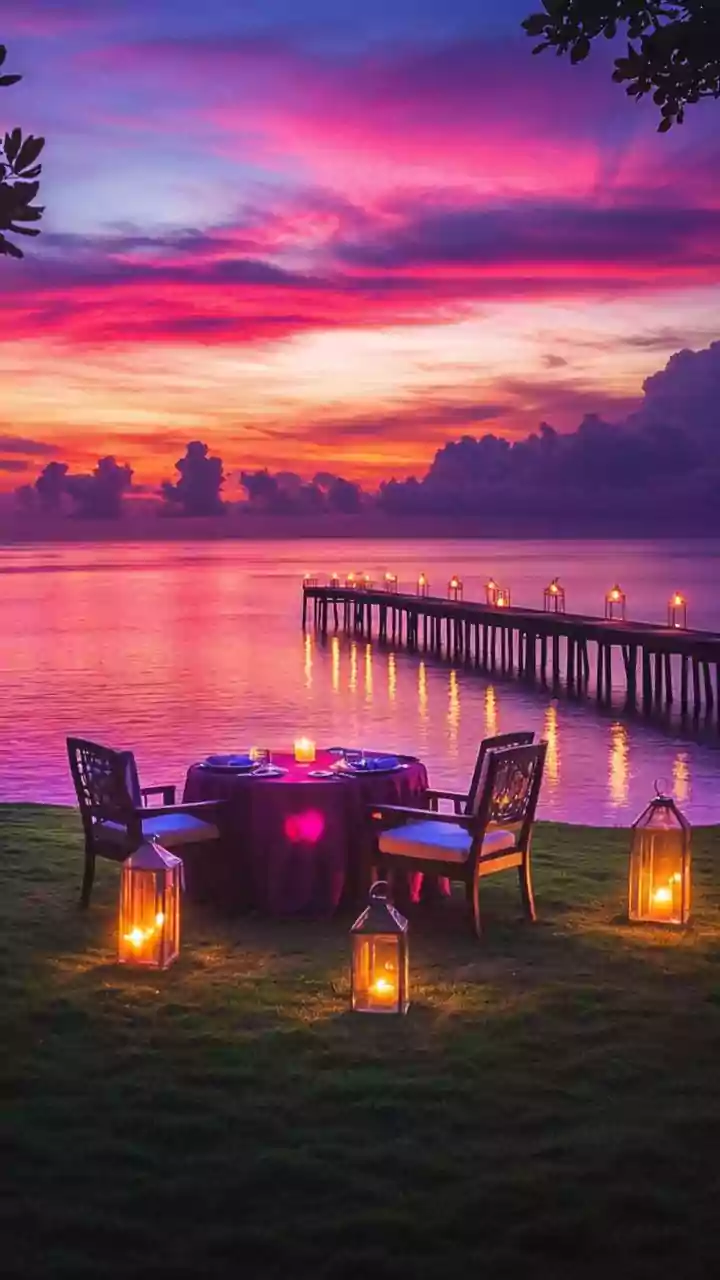
Chilean culture highly values 'sobremesa,' which refers to the time spent at the table after a meal, often involving relaxed conversation and socializing.
This tradition is a cornerstone of Chilean life, offering a chance to deepen connections and enjoy each other's company without rushing. Embrace this custom by allowing ample time for meals and post-meal chats, fostering a richer understanding of the culture. Learn to savor the moment, engage in meaningful conversations, and appreciate the value of shared experiences. Doing so will transform your travels into an immersive cultural encounter. Remember, this post-meal gathering is a significant part of the experience, and it is a delightful way to build relationships. Embrace this practice and make the most of every meal.
Learn Basic Spanish
While many people in tourist areas may speak some English, learning basic Spanish will significantly enrich your travel experience in Chile. Knowing essential phrases allows you to communicate with locals, navigate daily situations, and show respect for the culture. Start with basic greetings like 'Hola' and 'Buenos días,' and then focus on simple phrases for asking directions, ordering food, and making small talk. Apps and language exchange programs are great ways to begin learning. Being able to communicate with the locals opens up opportunities to learn about the people and the culture. Your willingness to speak Spanish will be valued, and it will result in more meaningful interactions, making your trip more memorable.
Prepare for Costs
Chile’s cost of living can vary, with prices influenced by location, season, and currency fluctuations. Before you go, familiarize yourself with typical expenses such as accommodation, transportation, food, and activities. Plan a budget that accounts for these variables. Check the current exchange rate and use tools to track your spending. To save money, consider utilizing local transportation options, like the metro, or by exploring affordable dining choices at local markets and smaller restaurants. Preparing for costs in advance helps you enjoy your trip without financial stress, enabling you to focus on experiences. Being prepared will ensure that your budget aligns with your travel plans, improving your experience.
Keep Small Bills Handy
Having a supply of small bills and coins is crucial when traveling in Chile. Small denominations are essential for everyday transactions, especially for taxis, tipping, and purchases from small vendors. Carrying larger notes can be inconvenient, as vendors may not always have change available, leading to delays or difficulties. Always have a mix of lower denomination notes and coins to avoid complications. Make sure to exchange currency at a reputable place before your arrival or upon arrival at the airport or a bank for the best rates. Keeping a good supply of change and small bills will help you when you’re out, making your transactions faster and smoother, and it helps ensure you're always ready for anything.
Learn Gracious Greetings
Greeting Chileans with the correct etiquette is a gesture of respect and a key part of building positive interactions. Standard greetings typically involve a handshake for men, a kiss on the cheek between women, and a kiss on the cheek between a man and a woman. It is typical to greet people with 'Hola' (hello) or 'Buenos días/tardes/noches' (good morning/afternoon/evening). Pay attention to how locals greet each other. When meeting someone for the first time, make eye contact and use a polite tone, as this shows respect. Being familiar with these greetings and social conventions shows that you value the local customs, making your interactions with Chileans warmer and more welcoming. Remember, in Chile, even small courtesies count, contributing to a more enjoyable travel experience.
Be Aware of Areas
While Chile is generally safe, it's wise to be aware of the areas to avoid for safety reasons. In larger cities like Santiago, be careful when in certain neighborhoods, especially at night. It is important to stay alert and be mindful of your surroundings. Before your trip, do some research on neighborhoods and consult with locals or travel advisories for safety recommendations. It is important to avoid walking alone at night in less-traveled areas. Whenever possible, arrange for transportation during the evening hours. Always stay informed about potential risks and travel with caution. By staying informed and alert, you can significantly enhance your safety and enjoyment while visiting Chile.
Lower Your Voice
In Chile, maintaining a moderate speaking volume is important. Speaking too loudly in public is seen as rude, as it disrupts those around you. Being mindful of your volume is a sign of respect for local customs. When in public places, like restaurants, shops, and public transportation, keep your voice at a level that does not disturb others. It demonstrates consideration for the people around you and it is a standard of etiquette. By adopting this practice, you integrate with the local environment and display respect for the cultural nuances of Chile. This subtle adjustment will help in fostering positive interactions. You'll make a positive impression wherever you go and gain a deeper understanding of the local etiquette.
Avoid Protests, Events
Chile, like any country, may experience protests or events that can disrupt travel. Check for news or advisories prior to traveling and during your stay. Find out about any planned demonstrations or events that could cause delays or safety issues. If protests are reported in the area, avoid these areas and allow extra time for travel. Stay informed and follow the advice of local authorities. It is best to avoid any potential conflict or disruptions. Keeping up to date on current events will improve your trip experience, keeping you safe and allowing you to adapt to any possible difficulties. A bit of planning can ensure that your visit goes smoothly.
Know Tap Water Quality
Chile's tap water is generally safe to drink in major cities, but it's important to know the specifics of the area you are visiting. In major cities, tap water is often potable, but in rural areas or smaller towns, it might not be. If you are uncertain about the water quality, ask locals. Always carry a water bottle so you stay hydrated. You can refill it as needed, or opt for bottled water for your peace of mind. Check the source of the water if you are in a location with uncertain sources. This caution is especially important if you have a sensitive stomach. Having access to safe drinking water is vital. This knowledge and preparation can make your journey healthier and more comfortable, allowing you to fully enjoy your travels.
Don't Fear Earthquakes
Chile is prone to earthquakes, so it's essential to understand what to expect and how to respond. The country has a very well-established preparedness system. Become aware of the safety procedures. Learn the best course of action should one occur. Chileans are used to earthquakes, and they will likely have their own responses. They will likely be calm. Most earthquakes are minor. Follow the safety rules. Take necessary precautions like seeking shelter under a sturdy table, covering your head, and avoiding areas near windows. Check local advisories. Stay prepared and informed, and this awareness can help alleviate any fears and ensure your safety, allowing you to travel with confidence.