




The Case for Home-Cooked Desi Food
Comedian Bharti Singh has sparked a conversation around children's lunchboxes by strongly advocating for the inclusion of traditional Indian home-cooked
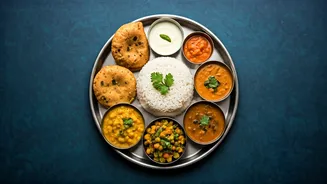
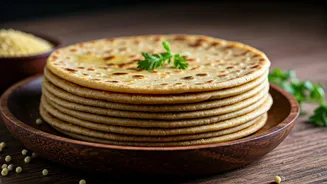
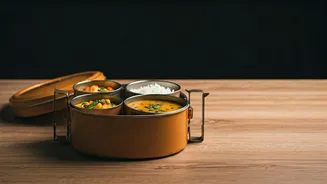
meals. She shares her observation that while some parents opt for processed items like cupcakes, pasta, and noodles, her own approach involves packing nutritious options such as paratha, sabzi (vegetables), dry fruits, and fresh fruits. This practice has received positive feedback from her son's teacher, who appreciates the wholesome contents of his lunch. Bharti believes that introducing children to familiar, comforting Indian dishes from a young age sets a strong foundation for their eating habits. She asserts that the current generation, referred to as Gen Z and Gen Alpha, will have ample opportunities to explore modern, less traditional foods like pizza later in life. Her philosophy is rooted in her personal experience and a desire to keep her child connected to their cultural culinary roots, emphasizing that she is not a proponent of introducing them to foods like avocado toast or mashed potatoes early on. Instead, she prioritizes meals that are quintessential to Indian households, such as dal (lentils), chawal (rice), and sabzi, often accompanied by tangy pickles and chutneys. This conscious choice reflects her belief in the power of familiar flavors and textures to foster a healthy relationship with food. She even draws a parallel to her own demanding work schedule, suggesting that if she can manage an 18-hour show fueled by desi food, her son can certainly thrive on similar nourishment. Her commitment extends to ensuring her son eats a balanced diet, including staples like roti and paratha, and has notably avoided bread until now, with the expectation that its introduction might eventually happen. This approach underscores her dedication to providing a diet that is both culturally relevant and nutritionally sound, preparing him for a lifetime of healthy eating.
Nourishment Beyond Trends
Bharti Singh's culinary philosophy for her son transcends fleeting food trends, focusing on foundational Indian dishes that she believes are vital for a child's development. She proudly identifies as a mother who cooks for her child, prioritizing authentic Indian meals over what she terms 'avocado and mash potato' cuisine. Her son's diet is rich in staples like dal chawal, aloo ki sabzi, mango pickle, and chutneys—foods deeply ingrained in Indian family meals. This deliberate choice stems from her conviction that children can be nurtured with traditional fare, just as she herself has managed demanding work schedules fueled by such foods. She emphasizes that her son has not been exposed to foods like avocado toast or mashed potatoes, underscoring her commitment to a culturally grounded approach. While acknowledging that foods like bread might eventually enter his diet, her current focus remains on providing meals that are both nourishing and familiar. This approach is not just about taste; it's about instilling a connection to heritage and a healthy relationship with food that prioritizes substance over novelty. She also champions the principle of not wasting food, a habit she has actively encouraged her husband to curb, and she readily packs leftover food from restaurants, demonstrating a practical approach to resourcefulness and sustainability in her daily life. This holistic perspective on food, encompassing nutrition, culture, and mindfulness, forms the bedrock of her parenting style.
Expert Nutrition Insights
Bharti Singh's emphasis on home-cooked Indian meals for children resonates with the principles of providing culturally appropriate and wholesome nutrition. Her tiffin approach highlights the benefits of fresh, balanced meals and the establishment of healthy eating habits from an early age. However, experts like Kanikka Malhotra, a consultant dietitian and certified diabetes educator, offer a nuanced perspective. While acknowledging the strong foundation of Indian home food, she points out potential areas for consideration within traditional diets. These may include the judicious use of fats, especially in preparations like parathas, ensuring adequate protein intake, and addressing possible nutrient gaps that can occur in predominantly vegetarian diets. Key nutrients such as Vitamin B12 and Omega-3 fatty acids are frequently highlighted as requiring specific attention. The expert advice underscores that labeling certain foods as inherently 'bad' is counterproductive. Instead, the focus should be on balance, moderation, and fostering a positive, educated approach to food. This means understanding that a healthy relationship with food for growing children is built on flexibility, allowing for a variety of foods in appropriate quantities, rather than strict restriction. Ultimately, the goal is to empower children with nutritional knowledge and a mindful eating style that supports their long-term well-being, ensuring they can enjoy both traditional favorites and modern options without compromising their health. Always consulting a health practitioner is advised for personalized dietary guidance.