
SPF: Explained Simply
SPF, or Sun Protection Factor, is a measure of how well a sunscreen protects your skin from UVB rays, the primary cause of sunburn and a major contributor
to skin cancer. It's crucial to understand that SPF doesn't simply mean 'double the protection' with each increase. An SPF 15 sunscreen blocks about 93% of UVB rays, while SPF 30 blocks around 97%, and SPF 50 blocks about 98%. The percentage increase in protection becomes smaller as the SPF number goes up. This means that going from SPF 30 to SPF 50 offers only a small increase in protection, and the difference between SPF 50 and SPF 100 is even less significant. It's essential to consider the application, reapplication, and other sun protection methods like shade and clothing, rather than solely relying on the SPF number. The FDA has specified that SPF 30 is sufficient for basic protection, and anything higher than that yields marginal benefits, and the label should be truthful to avoid misleading the customers. The effectiveness of the sunscreen is also tied to how and when it is applied. Hence, the protection level can be affected by the way a sunscreen is used.
SPF 100: Myths Debunked
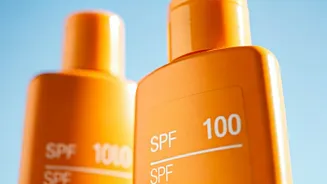
The popularity of SPF 100 has led to several misconceptions. One of the biggest is that it provides significantly more protection than lower SPF options. While SPF 100 might block a slightly higher percentage of UVB rays than SPF 50, the difference is often negligible in real-world scenarios. Moreover, people who use SPF 100 often believe that it allows them to stay in the sun longer without reapplying. This can be dangerous, as it might lead to increased sun exposure. Sunscreen effectiveness also depends on factors like skin type, sun intensity, and time spent outdoors. No sunscreen, regardless of its SPF, can provide 100% protection, and no one should think of it as an all-encompassing shield. It's crucial to adopt a holistic approach to sun protection, including seeking shade, wearing protective clothing, and reapplying sunscreen frequently, regardless of the SPF number. The focus should be on proper use, not just the high number on the label.
Choosing Your SPF
Deciding on the right SPF depends on various factors, including your skin type, the intensity of the sun, and your planned activities. Generally, dermatologists recommend using a sunscreen with at least SPF 30 for everyday sun protection. If you have fair skin, are prone to sunburn, or spend extended periods outdoors, you might choose SPF 50. However, the most important aspect of sun protection is the proper and consistent application of sunscreen. Apply a generous amount approximately 15-30 minutes before sun exposure, and reapply every two hours, or more frequently if swimming or sweating. Remember, sunscreen is just one part of your sun protection strategy. Combining it with protective clothing, hats, and sunglasses maximizes your defense against the sun's harmful rays. Consider the time of day and the location where you will be exposed to the sun. Remember that, regardless of your chosen SPF, frequent reapplication is essential.
Beyond the SPF
While choosing the right SPF is important, focusing on the broader approach to sun protection is more important. The type of sunscreen matters as much as the SPF. Look for sunscreens that are 'broad-spectrum,' which means they protect against both UVB and UVA rays. UVA rays are also dangerous and are known to contribute to premature aging and an increased risk of skin cancer. The texture of the sunscreen is important too. For daily use, you might prefer a lighter lotion, whereas, for swimming or heavy activity, a water-resistant formula is essential. Other elements, like lip protection, are often ignored, but it's important to use a lip balm with SPF. Remember that, even with the best sunscreen, no one can safely stay in the sun indefinitely. Staying in the shade, especially during peak sunlight hours, is crucial. Moreover, the sun's impact varies depending on the time of the year and the location. So always be mindful of sun exposure for optimum protection.