








Ground Truth Dominates
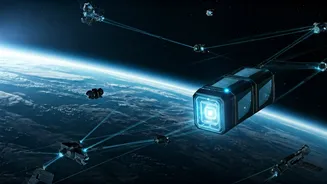
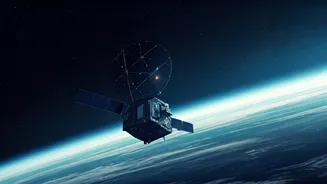
The idea of data centers in orbit, offering unparalleled global coverage, has captured imaginations. However, a close technical examination reveals that
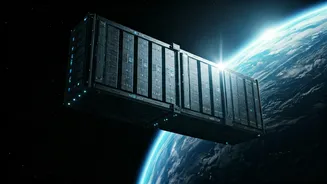
these ambitious concepts are currently outshone by existing terrestrial infrastructure. The primary obstacle for space-based computing is the inherent latency introduced by signal transmission between Earth and orbit. Unlike ground-based networks that leverage optimized routing and close proximity for rapid response times, data traveling to and from space faces unavoidable delays due to the sheer distance involved. These physical constraints mean that even the most advanced orbital systems cannot match the millisecond-level performance achievable by optimized ground networks. Furthermore, the exorbitant costs associated with launching and maintaining complex computing hardware in the harsh environment of space present significant economic barriers, making the practical implementation of such systems a formidable challenge that outweighs the envisioned benefits.
Orbital Dreams vs. Physics
While the concept of deploying data processing power into orbit tantalizes with visions of bypassing terrestrial limitations and regulatory hurdles, the fundamental laws of physics present a stern reality check. Proponents of space-based computing envision a future where reduced launch expenses and advancements in space technology could render orbital data centers economically viable, potentially within the next decade, unlocking new paradigms for global data handling. However, these optimistic timelines are directly confronted by the inescapable challenge of signal propagation across vast orbital distances. The speed of light, while incredibly fast, imposes a clear limit on how quickly data can travel, and the significant distances inherent in orbital mechanics mean these delays are substantial. Therefore, while the ambition to create a truly global, space-enabled cloud computing network is compelling, it must contend with the basic physical constraints that ground-based solutions currently circumvent with much greater efficiency.
Real-World Cloud Impact
In contrast to the theoretical advancements in orbital computing, the leading cloud providers are steadfastly investing in and refining their terrestrial infrastructure. This strategic focus on ground-based facilities, often referred to as edge computing, involves positioning servers much closer to end-users. This proximity is crucial for applications demanding immediate responsiveness, where even minor delays can significantly impact user experience. The current trajectory of cloud innovation emphasizes incremental, yet substantial, improvements in fiber optic networks, the meticulous placement of data centers for optimal performance, and the continuous optimization of edge computing capabilities. These efforts directly translate into tangible performance gains that users benefit from today. While the allure of space-based computing generates intriguing discussions about the future of technology, it is the ongoing advancements in our familiar, Earth-bound infrastructure that continue to deliver the most measurable and impactful improvements to your everyday cloud experience.