
A Culinary Introduction
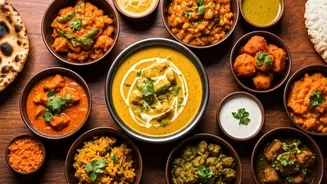
Indian cuisine is celebrated worldwide for its incredible variety of flavors and aromas. The culinary traditions of India are a reflection of its diverse
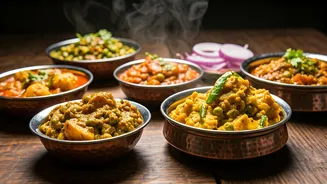
cultures, regions, and religions. Dishes often feature a symphony of spices and fresh ingredients. The essence of Indian food is not just about the taste; it's also about the art of cooking, the use of fresh produce, and the love that goes into every dish. From the creamy curries of the North to the fiery seafood of the South, the cuisine offers a gastronomic experience that appeals to all palates. The use of traditional cooking methods, such as tandoor ovens and open-flame cooking, adds a unique touch. Indian cuisine is characterized by its complex preparation methods and the perfect balance of flavors, ensuring a memorable dining experience. The use of fresh herbs and local ingredients is key to the authenticity of the cuisine. It's a journey of taste and texture that highlights the country's rich heritage.
Spice Rack Secrets
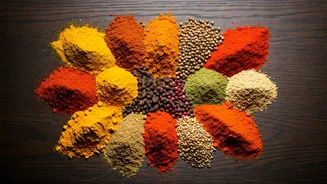
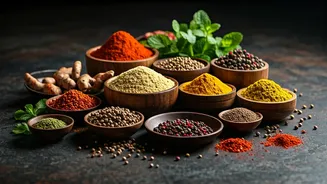
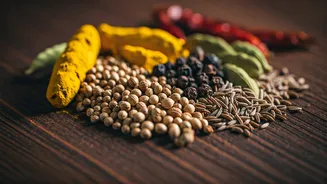
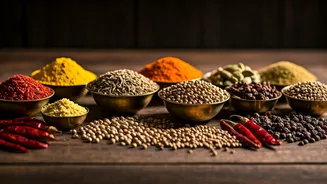
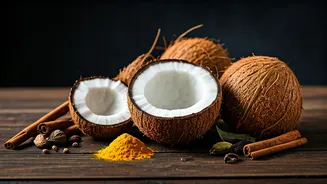
Spices are the heart of Indian cooking, giving each dish its unique flavor profile. The blend of spices varies across regions and even families. These spices don't just add flavor; they bring health benefits as well. Common ingredients like turmeric, ginger, and garlic are used for their medicinal properties. Each spice provides a unique contribution to the dish. Turmeric, for instance, offers both color and anti-inflammatory properties, while cumin provides an earthy depth. The careful measurement and blending of these spices is a critical skill for any Indian cook. The correct combination can transform a simple meal into something extraordinary. Beyond flavor, spices also play a significant role in the cultural significance of food. Certain spices are used in specific rituals and celebrations, representing tradition and identity. This rich relationship between spices and cuisine makes Indian food a truly complex and enjoyable experience.
North Indian Delights
North Indian cuisine is known for its rich and creamy gravies, often made with tomatoes, onions, and yogurt. The food tends to be milder compared to other regions, and uses a lot of dairy products. Dishes like butter chicken and palak paneer are beloved favorites. The use of the tandoor oven is prevalent in North Indian cooking. This method of cooking infuses the food with a smoky flavor that is very popular. Flatbreads like naan and roti are a staple, perfect for soaking up the flavorful curries. The use of nuts and dried fruits adds a touch of sweetness and richness to several dishes. North Indian cuisine often includes lentils (dal), offering a protein-rich option in many meals. This style of cooking is perfect for anyone who loves rich and creamy textures and delicious, balanced flavors. Each dish is a testament to the influence of Mughal, Persian, and Punjabi cultures.
South Indian Flavors
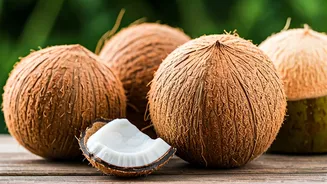
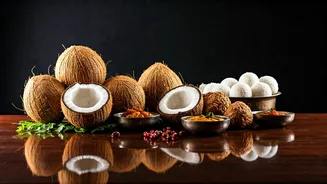
South Indian cuisine boasts a variety of flavors and ingredients, with a strong focus on rice, lentils, and vegetables. Coconut milk, tamarind, and curry leaves are important components of the meals. Dishes often include a variety of dosas, idlis, and vadas, served with sambar and chutney. The use of rice is prominent. Different forms of rice are used to make several dishes. The spicy curries and stews feature bold flavors. Dishes like the spicy Chettinad curries from Tamil Nadu are famous for their fiery kick. Seafood plays a significant role in coastal areas. It is expertly cooked with local spices and ingredients. The use of fresh ingredients and simple cooking techniques enhances the dishes' flavors. South Indian food is light and healthy, yet packed with taste.
Rice and Bread Essentials
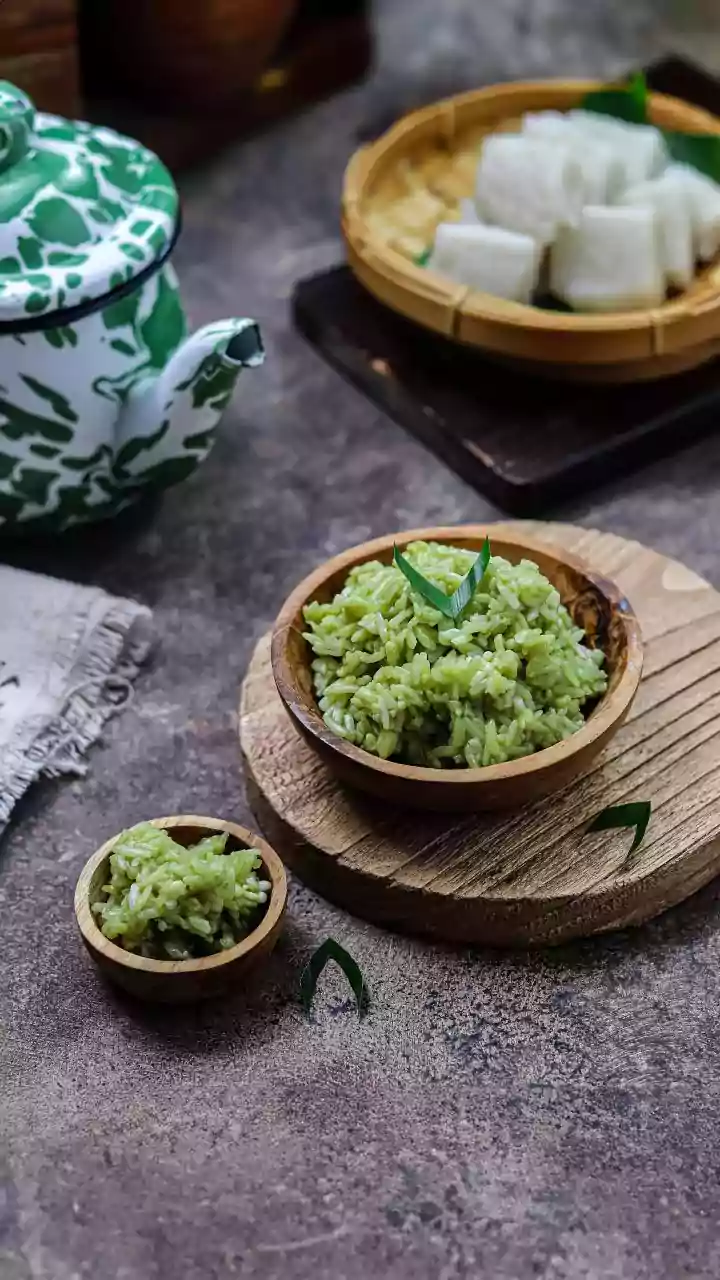
Rice and bread form the basis of the Indian meal. Rice is a staple in most regions, served boiled, fried, or in biryanis. Different varieties of rice are used, each with a unique texture and flavor, from long-grain basmati to short-grain varieties. Indian breads come in several varieties, with each region having its unique specialty. Naan, roti, paratha, and puri are all different. Naan, a leavened bread, is often cooked in a tandoor oven. Roti, an unleavened bread, is commonly made on a flat griddle. Paratha, is a layered bread, often filled with vegetables. Puri, a deep-fried bread, is a favorite snack. The selection of bread varies depending on the dish and the region. Each bread offers a distinctive texture and flavor, designed to complement the curries and other main dishes. This combination of rice and bread, when paired with the flavorful curries and dishes, makes up a complete and satisfying meal.
Vegetarian Dishes Abound
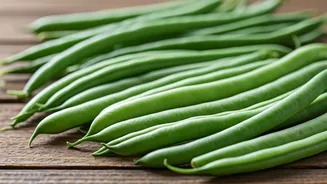
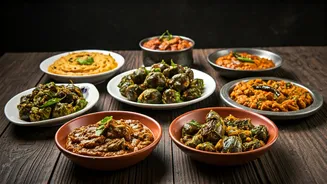
Indian cuisine offers an incredible selection of vegetarian dishes, reflecting a culture that values vegetarianism. The dishes often rely on fresh vegetables, lentils, and spices to create flavorful meals. Palak paneer, a creamy spinach and cheese dish, is a beloved favorite. Vegetable curries are prepared using seasonal vegetables and various spices. Lentils (dal) are a significant part of the vegetarian meal, providing protein and fiber. Many of the preparations are both delicious and nutritious. The vegetarian options are a testament to the cuisine's adaptability and creative use of ingredients. Even without meat, Indian food does not compromise on taste. These dishes demonstrate how vegetables and plant-based ingredients can create balanced and exciting meals. This offers a wide range of options for vegetarian eaters.