
Top Picks Overview
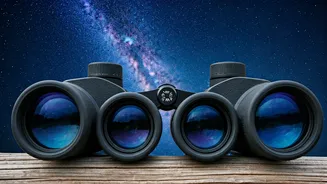
The realm of binoculars offers a diverse range of choices, each designed to excel in specific applications, from celestial observation to terrestrial viewing.
Among the top recommendations are the Celestron SkyMaster Pro 15x70, known for its superior light-gathering capabilities, ideal for astronomy. The Nikon 10x50 Aculon A211 Binocular and the Nikon PROSTAFF P3 8x42 are also frequently mentioned as excellent options, suitable for general use and nature observation. Moreover, the Celestron TrailSeeker 8x42 is celebrated for its versatile performance, blending quality optics with portability, making it a favorite for many outdoor enthusiasts. The Vortex 10x50 Crossfire HD Binocular also secures a place due to its robust build and clear imaging. The Canon 10x42L IS WP binoculars offer image stabilization for steady views. These selections provide a strong foundation for exploring different types of binoculars.
Binocular Types Explained
Binoculars come in various configurations, each tailored to different observation scenarios. The 'x' number in binocular specifications represents magnification, indicating how much closer an object appears. For example, a 10x binocular magnifies objects ten times. The second number, such as '50' in 10x50, denotes the objective lens diameter in millimeters, which affects the amount of light the binocular gathers. Larger objective lenses generally provide brighter images, particularly in low-light conditions, but also increase the size and weight of the binoculars. Models like the Celestron SkyMaster series, with larger objective lenses (25x100), are excellent for astronomical use. In contrast, smaller binoculars, like the Celestron Cometron 7x50, are more compact and suited for general use. Understanding these specifications is essential to align the right binocular with the planned activities.
Stargazing Binoculars
For stargazing, the Celestron SkyMaster Pro 15x70 and the Celestron SkyMaster 25x100 are frequently recommended due to their high magnification and large objective lenses, allowing them to capture substantial light from faint celestial objects. The 15x70 model is generally considered a good balance between magnification, light-gathering ability, and portability, making it suitable for beginners and seasoned observers alike. The 25x100 model provides an even more detailed view of the cosmos but requires a stable platform due to its size and weight. While these binoculars are great for observing nebulae, galaxies, and star clusters, they may not be ideal for viewing planets, as they are not usually equipped with the necessary focal length. For a more expansive view of the night sky, binoculars with a wider field of view are also beneficial.
Nature Viewing Choices
When it comes to wildlife observation, binoculars offering a balance of magnification and field of view are preferred. Binoculars such as the Nikon Monarch HG 10x42 and the Celestron Nature DX 12x56 are excellent choices for nature enthusiasts. The 10x42 configuration offers a good balance between magnification and image brightness, making it suitable for a variety of conditions. The 12x56 model offers higher magnification for more distant viewing. Features like waterproof and fog-proof designs are vital for outdoor use, ensuring the binoculars can withstand environmental elements. For birdwatching, binoculars that provide detailed images and a wide field of view are especially important, permitting observers to track fast-moving birds and identify them accurately.
Budget-Friendly Binoculars
The market includes several high-quality binoculars that are relatively affordable. The Celestron UpClose G2 10x50 and the Nikon Aculon A211 series are often recommended as budget-friendly options that do not compromise too much on optical quality. These models provide good performance for the price and are suitable for casual users or those new to using binoculars. When assessing budget binoculars, considering factors such as build quality, image clarity, and ease of use is necessary. It is possible to find binoculars that deliver satisfactory performance at an affordable price, making the hobby of observing wildlife or the night sky accessible to a wider audience. Checking reviews and comparing specifications helps in making an informed purchase.
Binocular Features to Note
Several characteristics influence the performance and usability of binoculars. The objective lens diameter determines the brightness of the image, with larger lenses gathering more light, thus, delivering better views in low light. The type of prism system—either roof or porro prism—also affects image quality and the overall design of the binocular. Roof prism binoculars are typically more compact, while porro prism binoculars can offer excellent image quality, though they tend to be bulkier. Coatings on the lenses are also vital; multi-coated lenses improve light transmission, enhancing image brightness and clarity. Waterproof and fog-proof designs are highly desirable, particularly for outdoor use, as they protect the internal components from moisture and fogging. Consider the focus mechanism, the eye relief, and the overall weight, along with the build materials when selecting binoculars.
Maintenance and Care
Proper care ensures that binoculars provide optimal performance and longevity. After use, the binoculars should be wiped with a soft, lint-free cloth to remove dust and debris. Avoid using harsh chemicals or solvents that can damage the lenses or coatings. Storing binoculars in a case or a dry, protected environment is crucial to prevent damage. Avoid exposing them to extreme temperatures or direct sunlight. If the lenses require cleaning, use a lens cleaning solution specifically designed for optical equipment, along with a microfiber cloth. Checking the binocular’s alignment periodically is advisable, as any misalignment can impact image quality. With the right care and maintenance, binoculars can last for years.