




Banana's Nutritional Powerhouse
Bananas are widely cherished for their abundant nutritional profile, offering a wealth of essential vitamins and minerals crucial for well-being. They
are a significant source of potassium, vital for maintaining healthy blood pressure and optimal heart function, alongside vitamin B6 and vitamin C, which contribute to various bodily processes. Furthermore, their magnesium content supports muscle and nerve function, while dietary fiber aids in promoting healthy digestion and a robust gut microbiome. Beyond these foundational nutrients, bananas contain beneficial compounds such as tryptophan, a precursor to serotonin, often dubbed the 'feel-good' hormone, which can positively influence mood and contribute to improved sleep quality. Their inherent sweetness and soft texture also make them an easily digestible food, offering relief for individuals experiencing acidity or digestive discomfort. This makes the banana a versatile and wholesome addition to daily dietary plans, supporting energy levels and overall health.
The Peril of Artificial Ripening
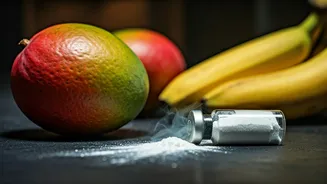
A concerning trend in the fruit trade involves the artificial ripening of popular fruits like bananas, often employing unsafe chemical methods. In India, some unscrupulous traders resort to using industrial-grade calcium carbide, colloquially known as 'masala,' to artificially induce ripening. This chemical releases acetylene gas, which mimics the natural ripening process. However, calcium carbide is hazardous due to its potential contamination with arsenic and phosphorus, elements that pose significant risks to human health. Exposure to these toxins can lead to a range of adverse effects, including dizziness, severe irritation, and debilitating weakness. Consequently, the Indian government, through the Food Safety and Standards Authority of India (FSSAI), has banned the use of calcium carbide for ripening fruits, recognizing its detrimental impact on public health. This practice not only compromises the quality of the fruit but also poses a direct threat to consumers.
FSSAI's Ethylene Gas Guidelines
Acknowledging the practicalities of fruit supply chains and the need for controlled ripening, the Food Safety and Standards Authority of India (FSSAI) has established regulations for the use of ethylene gas, a permissible alternative ripening agent. According to FSSAI guidelines, bananas can be exposed to ethylene gas for a specific duration of 24 to 28 hours. This process must be conducted within a controlled environment maintained at a ripening temperature between 15°C and 18°C, coupled with a relative humidity of 90-95%. It is crucial that fruits are transferred to the ripening chamber only after they have undergone pre-cooling to the desired temperature. For commercial ripening, ethylene gas can be sourced from cylinders, compressed aerosol cans, or specialized ethylene generators. For smaller quantities or when dealing with cartons and boxes, alternatives like e-chloroethylphosphonic acid (ethephon) in powder form, or ethylene gas encapsulated within biologically safe materials such as cellulose, starch, and proteins, are permitted. These regulations aim to ensure that artificial ripening, when necessary, is carried out safely and effectively.
Identifying Chemically Ripened Bananas
Distinguishing between naturally ripened and chemically treated bananas is crucial for consumers seeking healthier options. A key indicator of artificial ripening, particularly with calcium carbide, is the fruit's appearance. If the crown (the stem end) and the fingertip of the banana remain distinctly green while the flesh part has turned yellow, it strongly suggests chemical treatment. This is because calcium carbide, when applied, causes the outer peel to yellow rapidly, but the internal ripening process is not uniform, leaving the extremities green. Consumers should exercise caution if they observe this color inconsistency. Experts explain that dipping bananas in a calcium carbide solution causes an immediate yellowing of the fruit's body, but the upper and lower portions often retain their green hue. This visual cue serves as an immediate red flag for potential chemical ripening, prompting consumers to avoid such produce.
Health Risks of Chemical Ripening
The consumption of fruits ripened using chemicals like calcium carbide can pose several health risks. Residues from these chemicals can irritate the stomach lining, potentially leading to uncomfortable digestive issues such as bloating, diarrhea, and abdominal discomfort. Furthermore, chemical exposure can trigger adverse neurological effects, including headaches, dizziness, and a general feeling of uneasiness, particularly in individuals with heightened sensitivity. The gases released during improper artificial ripening processes can also negatively impact respiratory health, causing throat irritation and mild breathing difficulties. Inhaling fumes from poorly handled ripening agents may exacerbate these symptoms. For vulnerable populations, including children and pregnant women, the risks are amplified, with potential concerns for developmental issues in children and complications during pregnancy due to toxic residue exposure.
Signs of Natural Ripening
Recognizing a naturally ripened banana is straightforward if one observes the correct signs. A key characteristic of a banana that has ripened naturally is a uniformly colored peel, typically a rich yellow throughout, without any green patches, especially at the crown and fingertip. Importantly, the crown and neck of a naturally ripened banana will appear black, indicating the natural progression of ripening. Fruits left to ripen naturally at room temperature usually take approximately 4 to 6 days. Natural ripening processes often involve methods that trap endogenous ethylene around the fruit, thereby accelerating the process. To encourage natural ripening, it's recommended to harvest fruits at their optimal maturity stage. Consumers can also facilitate this by wrapping individual fruits with paper or placing them in paper bags, or by layering unripe fruits over materials like paddy husk or wheat straw, which helps in retaining ethylene and promoting even ripening.