




South Indian Kitchen
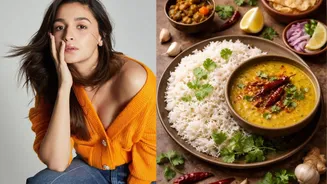
Sudha Chandran, a celebrated actor, recently offered a glimpse into her personal life, highlighting her deep affection for South Indian culinary traditions.
She revealed that her diet is predominantly 'very South Indian,' a preference that has even captivated her husband, Ravi Dang, who hails from a Punjabi background. Chandran amusingly noted her husband's initial unfamiliarity with common South Indian ingredients like coconut oil, a staple in her cooking. She recounted specific dishes like 'avial,' a mixed vegetable curry, and the popular breakfast combination of 'Puttu Kadala' from her hometown in Thrissur, Kerala, which her husband has grown to love. However, she also shared a humorous anecdote about his aversion to 'puri' when fried in coconut oil, a stark contrast to his enjoyment of other Keralite specialties like 'appam,' 'olan,' and the richly spiced vegetable dishes, underscoring Kerala's reputation as a treasure trove of nutritious spices.
Coconut Oil Insights
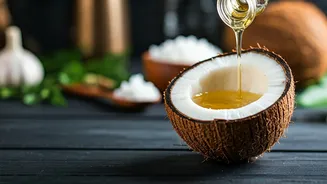
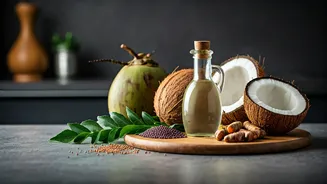
To understand the role of coconut oil in cooking, particularly within South Indian cuisine, expert insights were sought from Dt Amreen Sheikh, Chief Dietitian at KIMS Hospitals, Thane. Coconut oil has long been a cornerstone of South Indian kitchens due to its rich content of medium-chain triglycerides (MCTs). These fats are metabolized uniquely, offering a readily available energy source. However, Sheikh emphasizes that moderation is key, as coconut oil is a saturated fat. For healthy individuals, incorporating small amounts into traditional dishes is acceptable, provided the overall diet is well-balanced with ample fiber, vegetables, lentils, and whole grains. The potential issues arise from excessive consumption or when it contributes to an already high total fat intake, according to Sheikh.
Balanced Plate
A typical South Indian thali offers a remarkably balanced nutritional profile, often featuring staples like idli or dosa alongside sambar, rasam, vegetable poriyal, curd, and rice. This meal structure inherently supports gut health through fermentation, provides essential protein from lentils, and delivers vital fiber from a variety of vegetables. However, the overall health impact is heavily influenced by portion control and preparation methods. Deep-fried items, overconsumption of refined white rice, and excessive oil usage can detract from the meal's health benefits. Sheikh clarifies that the healthiness of a cuisine is less about its origin and more about how it is prepared and the quantities consumed, stressing that mindful eating is paramount.
Dietary Considerations
The question of whether coconut oil contributes to weight gain or heart issues is a common concern. Sheikh explains that weight gain is primarily a consequence of consuming more calories than the body expends, rather than the fault of a single ingredient. Coconut oil, being calorie-dense, can contribute to increased caloric intake if used frequently and generously. For individuals managing cholesterol levels or with a family history of heart disease, a mindful approach to coconut oil consumption is advised. Rotating cooking oils, incorporating options like groundnut, sesame, or mustard oil, and ensuring a diverse range of fats in the diet can be a beneficial strategy for maintaining cardiovascular health.
Cultural Eating
For those aspiring to adhere to their cultural food habits while striving for a healthier lifestyle, Sheikh offers encouraging advice: there is no necessity to forsake traditional foods. In fact, diets that are deeply rooted in culture are often more sustainable in the long run. The emphasis should be on practicing mindful portion control, increasing protein intake through sources like dals and curd, incorporating a greater abundance of vegetables into every meal, and consciously limiting fried food accompaniments. Health, she asserts, does not necessitate abandoning one's heritage; rather, it calls for a harmonious balance and a heightened sense of awareness regarding food choices.