
Festival's Yellow Hues
Basant Panchami, a festival resonating with the arrival of spring, is painted with the lively shade of yellow. The tradition stems from the connection
between the season and the color. Yellow symbolizes prosperity, knowledge, and happiness. This radiant color appears throughout the celebrations in various forms, including the attire worn by celebrants. The symbolic link between the color and the season is strong, with the mustard fields blooming and the sun shining brightly, creating the ambiance of new beginnings.
Saffron-Infused Delights
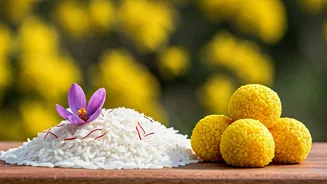
Kesar rice, often tinted with saffron, is a popular dish during Basant Panchami. The process typically begins by infusing the rice with saffron strands, which impart a golden hue and a distinctive flavor. This dish isn't merely a treat for the taste buds; it's a symbolic offering. Saffron, considered auspicious, adds to the celebratory mood. This saffron rice is an integral part of the festive meal. These dishes offer a sensory experience, capturing the essence of the festival. Each bite carries a connection to the traditions and sentiments of Basant Panchami.
Boondi Ladoo's Significance
Boondi ladoo, the golden-yellow sweet, holds significant importance during Basant Panchami. These small, round, and sweet treats contribute to the festive spirit. They are offered to deities and shared among loved ones. The color of the boondi ladoo directly mirrors the seasonal symbolism of the festival. These sweets are offered as part of religious rituals and celebrations. This simple yet delicious sweet brings people together. Its widespread presence during the celebrations highlights the joy and unity of this cultural observance.
Symbolism of Yellow
The color yellow during Basant Panchami carries deep symbolic meaning. The color represents the vibrancy of spring, symbolizing hope and knowledge. It is associated with the goddess Saraswati. This link creates a connection to wisdom, creativity, and the pursuit of knowledge. The use of yellow isn't just aesthetic; it’s a form of expressing reverence and appreciation. It sets the tone for the festivities, reminding everyone of the season’s renewal and potential. The choice of yellow for clothing, food, and decorations underscores the importance of the color.
Rituals and Customs
Basant Panchami is observed with various rituals and customs. People dress in yellow clothing. Homes are decorated with yellow flowers. Rituals often involve the worship of the goddess Saraswati. Many families begin the day by visiting temples. Schools and educational institutions organize special events. Kite-flying is a popular activity, adding a playful element to the day. These actions highlight the cultural values and traditions related to the festival. These practices are passed down through generations. They create a strong sense of community and shared experiences.
Celebrating Knowledge, Learning
Basant Panchami's association with Saraswati makes it an auspicious time to start new endeavors. Children begin their education on this day. It's a day to focus on studies and cultural activities. Many schools and educational institutions organize special programs and celebrations. Teachers and students alike participate with enthusiasm. The festival reinforces the value of education and encourages students to pursue knowledge. These observances reinforce the importance of learning.
Regional Variations, Traditions
While yellow food is a common thread, regional variations of Basant Panchami exist. The preparation of dishes varies based on regional ingredients and preferences. Some regions might focus on specific types of sweets. Musical performances are common in certain areas. Kite-flying is prominent in some states. The core theme remains the same: celebrating spring and the arrival of knowledge. These differences add richness to the festival. They highlight the diverse cultural landscape across India.
Importance of Basant Panchami
Basant Panchami remains an important cultural and religious event. It celebrates renewal, knowledge, and prosperity. The festivities promote togetherness. It encourages the embracing of traditions. This festival celebrates a fresh start. It is a reminder of the cycle of life and the arrival of a new season. Its continued observance strengthens community bonds. The blend of ritual and celebration makes this festival a meaningful and joyous occasion.