


Capacity Crunch Looms
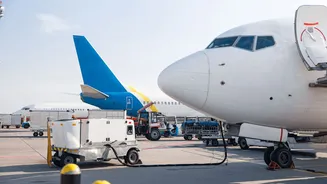
The upcoming summer travel season in India is poised for a significant disruption, with airlines announcing a substantial reduction in weekly flight operations.
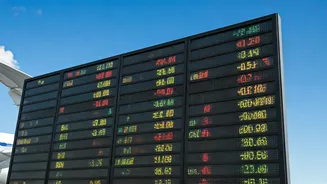
Approximately 3,000 fewer flights will take to the skies each week, translating to a roughly 12% decrease in available capacity compared to last year. This means that instead of the over 25,000 weekly departures seen previously, travelers can expect around 22,600. This dramatic cutback comes at the worst possible time, coinciding with the peak demand period for summer travel, which encompasses school holidays, wedding season, and general leisure trips between April and June. The fundamental economic principle of supply and demand dictates that when the supply of seats shrinks while demand remains robust, prices are inevitably pushed upwards. This anticipated scarcity of flights and seats is a strong indicator of significantly higher airfares for those looking to travel during this period.
Multiple Pressures Impact
The decision by Indian airlines to scale back their flight schedules is not a singular event but rather a confluence of several challenging factors. A primary driver is the escalating cost of aviation turbine fuel (ATF), which directly inflates operational expenses for carriers. Compounding this is the ongoing geopolitical instability in West Asia, which introduces uncertainty and potential disruptions to flight paths and airspace availability. Furthermore, the weakening Indian rupee adds another layer of financial strain, increasing the costs associated with aircraft leasing and essential maintenance. Many airlines are adopting a more cautious operational strategy, learning from recent disruptions and ensuring financial prudence. These economic and geopolitical headwinds have led rating agencies like ICRA to revise their outlook for the aviation sector to 'negative,' highlighting fuel costs, currency depreciation, and regional tensions as critical risks to airline profitability and stability.
Traveler's Dilemma Ahead
For passengers planning their summer getaways, the implications of these flight cutbacks are immediate and substantial. The most direct impact will be a noticeable reduction in the number of available seats on popular domestic routes, making it harder to secure travel arrangements. Consequently, ticket prices are expected to surge, particularly as the departure dates approach. This situation also diminishes the flexibility travelers previously enjoyed, with fewer options for choosing specific travel times or airlines. Passengers might also face unexpected schedule changes or flight consolidations as airlines adapt their operations. Adding to these concerns, the government's decision to remove domestic airfare caps grants airlines greater autonomy in setting prices, a move that is likely to further drive up fares in the absence of regulatory ceilings. This creates a challenging environment for budget-conscious travelers.
Strategic Summer Travel
Navigating the upcoming summer travel season requires a more strategic approach than in previous years. The most crucial piece of advice is to book your flights as early as possible, significantly earlier than you might typically consider. With a reduced number of flights available, seats will likely be snapped up quickly. Flexibility is also key; consider adjusting your travel dates to mid-week or exploring alternative, perhaps less congested, airports, which could offer more affordable options. It's advisable to lock in fares once you find a price that seems reasonable, as dynamic pricing models mean costs can escalate rapidly. If your schedule allows, try to avoid the absolute peak travel windows, as late June or early July might present some relief. Lastly, remain vigilant regarding potential schedule adjustments, as airlines have described the current operational landscape as 'fluid' and may adapt their capacity based on evolving demand and international developments. Proactive planning is no longer an option but a necessity for a smooth and affordable summer trip.