

The Art of Uzbek Bread
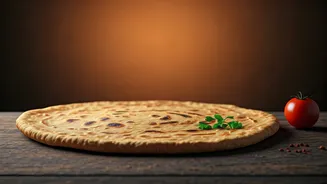
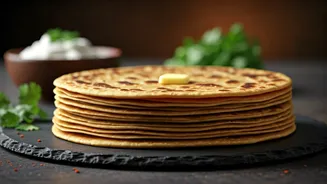
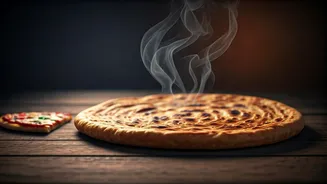
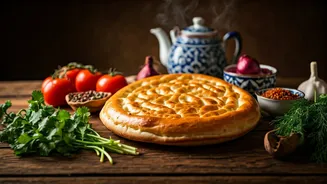
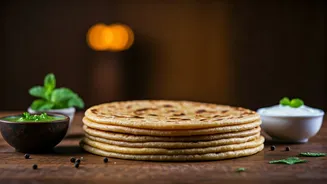
At the heart of Uzbek culinary identity lies 'non,' a flatbread baked in traditional tandoor ovens. This bread is far more than sustenance; it's woven
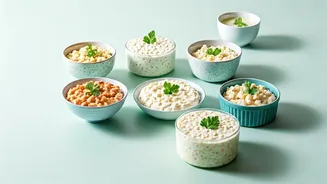
into the fabric of cultural customs and celebrations. Regional variations add delightful diversity: Tashkent offers 'patir non,' enriched with milk, while Samarkand's version might incorporate savory onions and meat. In the fertile Fergana Valley, 'katlama,' a butter-greased flatbread often enhanced with 'katyk' (a yogurt-like dairy product), graces every meal. Showing respect for this staple means breaking it by hand, never placing it upside down. Uzbek bread is the perfect companion to the country's robust, thick soups, ideal for warding off winter chills. The most beloved is 'shorpa,' a substantial broth featuring vegetables and generous chunks of mutton, often cooked on the bone and presented separately. For a richer taste, the southern regions offer 'kovurma shorpa,' where the meat is pan-fried before being added to the soup. Other comforting soups include 'mastava,' a rice-based beef and vegetable broth frequently topped with sour cream, and 'moshhurda,' a thick concoction of boiled beef or lamb bones, rice, and mung beans. Don't miss 'nohat shurak,' a hearty chickpea and beef soup, often served with a side of horse-meat sausage. You can experience authentic handmade non in local Uzbek homes, though it's readily available in bazaars, chaikhanas (tea houses), and shashlyk restaurants. Tashkent's Chorsu Bazaar is a must-visit for its bustling scene of hot non being transported like precious cargo. For those eager to learn the craft, Samarkand offers baking courses.
Tea Traditions and Wine
Step into Uzbekistan's ubiquitous chaikhanas, the local tea houses that serve as vibrant social hubs, much like pubs in other cultures. Here, men gather for leisurely conversations, engage in games of backgammon, conduct business, and debate worldly affairs, all while sipping tea from distinctive bowl-like cups. While green tea is predominantly favored, Tashkent and Karakalpakstan offer a blend of black and green teas, often enhanced with lemon and honey. Tea sweetened with sugar is known as 'khand-choy,' and for truly special occasions, 'shirchoy,' a Tibetan-inspired concoction of tea, milk, salt, and spices, is prepared. The Uzbek tea brewing ritual, called '_kaytar_' (meaning 'to return'), is an elaborate and graceful ceremony. It begins with briefly steeping tea leaves in boiling water. Subsequently, the brewed tea is poured from the teapot into a cup and then back into the teapot, a process repeated three times. Although chaikhanas traditionally cater to men, some are welcoming to foreign women. Regardless of whether you can visit a chaikhana, tea is invariably offered before and after every meal, ensuring everyone can partake in this delightful tradition. Another refreshing beverage commonly encountered, particularly at breakfast in traditional Uzbek guesthouses, is 'ayran,' a cooling mix of 'katyk' (fermented cow's or sheep's milk), water, herbs, and a hint of salt. Many Uzbeks abstain from alcohol due to religious beliefs, but visitors have the opportunity to sample excellent local wines, crafted from both international and indigenous grape varieties. Winemaking has a deep history in the Fergana Valley, dating back to the 4th century BCE. Even Marco Polo lauded the quality of wines from Samarkand and Bukhara in the 13th century, and a significant revival occurred with the arrival of the Russians in the 19th century. For wine enthusiasts, Samarkand's Bagizagan winery offers tastings from the Zarafshan Valley, which can also be visited. The Hovrenko Wine Factory provides tastings of wines, 'balzams' (medicinal liqueurs), and cognacs. Near Tashkent, the family-run Uzumfermer Winery invites visitors for vineyard tours and tastings of their Pinot Noir, Saperavi, and Hadji Murat wines.
Chinese-Inspired Noodles
The story of 'laghman,' Uzbekistan's renowned noodle soup with distinct Chinese influences, is often attributed to a legendary encounter between three hungry travelers on the Silk Road. Pooling simple ingredients like flour, dried meat, and herbs, they created a dish that has since become a national treasure. The contemporary version features long, flat noodles served in a savory broth, topped with separately cooked mutton or beef and a medley of finely chopped vegetables, including onions, bell peppers, eggplant, carrots, and potatoes. A generous scattering of fresh herbs completes this flavorful dish. Exploring regional variations of laghman is a culinary adventure in itself. In Tashkent, the Uyghur-style 'chuzma-laghman,' with its hand-pulled noodles, offers a direct link to the dish's ancient Chinese origins. Elsewhere, Uzbek-style noodles, cut into long strips, are more prevalent. Another delightful variation is 'qavurma laghman,' which is served without broth. Khiva is known for 'shivit-oshi,' vibrant green noodles prepared with fresh dill, typically topped with fried meat and vegetables. You might also encounter 'shilpildok,' a noodle dish with horse meat and broth, reminiscent of Kazakh 'beshbarmak,' and 'naryn,' a dish featuring horse meat sausage served with cold noodles. For an authentic laghman experience, Khiva's culinary scene offers delicious noodles within the historic shadow of the Allakuli Khan Medressa. Tashkent, a centuries-old trading hub for Chinese merchants, is another prime location for laghman; Qorasoy Laghman is a recommended stop after visiting Khast Imom square. In Bukhara, Dilkor Lagman is celebrated for its signature laghman and 'samsa' (baked meat pastries).
Street Food Delights
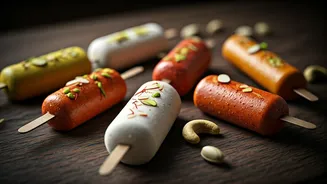
Uzbek street food offers an incredibly budget-friendly yet profoundly flavorful and satisfying experience, capable of sustaining you through any adventure. The undisputed star is 'manty,' large steamed dumplings generously filled with finely chopped meat. Often described as a quintessential nomadic food, it cleverly combines soup and main course; one can first savor the rich, meaty juices by piercing a small hole in the dough before consuming the rest. Other appealing dough-based treats include smaller 'chuchvara' dumplings, which can be served in a vegetable broth or fried to a crispy perfection. There's also 'honum,' steamed, log-shaped dumplings stuffed with potatoes and onions, and Khiva's unique 'tuhum-barak,' square dumplings into which raw egg is introduced just before boiling. Uzbekistan's answer to the samosa is the 'samsa,' a crispy, flaky, triangular pastry, typically filled with minced or chopped meat and baked. This culinary concept was introduced to India by Central Asian traders in the 13th century. For those seeking a truly delicious variation, 'gumma samsa,' stuffed with offal, is a highly recommended choice. Fresh fruits, including Uzbekistan's celebrated melons, alongside dried fruits and nuts, are readily available and make for perfectly portable snacks. Sweet treats are also abundant, such as 'halva' made from seeds or nuts, 'kozinaki' nut brittle, and 'khashtak,' a confection of nuts and dried fruit. Special occasions bring out festive foods like sweet 'bugirsaki' pastries, Turkish delight, and festive treats for 'Navruz' (Persian New Year), such as 'holvaitar,' a soft confection made from flour, sugar, butter, and water, and 'sumalak,' a sweet paste derived from germinated wheat. While street food stalls might be less common for items like samsa and dumplings, they are plentiful in covered markets, such as Tashkent's Chorsu Bazaar. Fruits, nuts, and sweets are typically found in food markets like Samarkand’s Siab Bazaar. If visiting outside of the main fruit harvest, seek out delicious dried versions, particularly dried melons and apricots.
Breaking Bread Locally
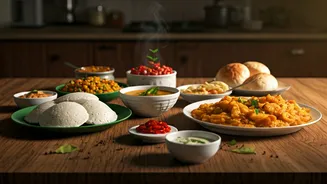
Uzbekistan, renowned for its warm hospitality, rich Silk Road heritage, and breathtaking blue-tiled mosques and medressas, serves as a prime gateway to Central Asia. However, its culinary traditions, shaped by centuries of trade between Europe and Asia along the Silk Road, remain less explored. Prepare for a delightful surprise with the sheer variety of food available in this ancient trading nexus. While many are familiar with 'plov'—rice cooked in broth with meat and fried vegetables—this Uzbek staple is merely the beginning of a profound culinary journey. Should you have the fortune to be invited into an Uzbek home, you'll likely be seated at a 'dastarkhan' (a low dining table) laden with a communal spread of local dishes. Alongside plov and various flatbreads, you might be served 'shorpa' (a hearty meat and vegetable soup), palate-cleansing salads, and skewers of spice-rich 'shashlyk' (the country's ubiquitous kebabs). As you traverse the nation, you can savor substantial bowls of Chinese-influenced hand-pulled noodles, nourish your gut with traditional 'katyk' (yogurt), and indulge in street food that reflects centuries of cultural exchange and historical influences. Make time to pause and enjoy comforting bowls of tea, and satisfy your sweet cravings with succulent melons, dried apricots, prunes, raisins, and a delightful array of other sugary delights. The timing of your visit can significantly impact the seasonal treats available; Uzbekistan's famous melons are at their peak sweetness from August to October. This guide aims to kickstart your culinary exploration of Uzbekistan with its most exquisite offerings.