







Street Food Costs Rise
Across India's bustling cities, the affordability of street food is facing an unprecedented challenge. A widespread scarcity of Liquefied Petroleum Gas
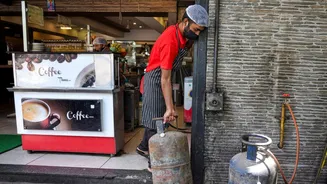
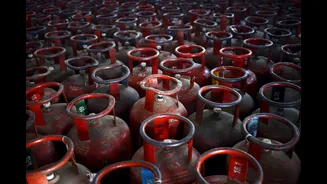
(LPG) cylinders, crucial for daily cooking operations, has compelled street vendors to pass on increased operational expenses directly to their customers. This has led to a noticeable surge in the prices of popular snacks and meals, from savory chaats and crispy pakoras to staple dosas and vada pav. Consumers have reported price increments within a single week, highlighting the rapid transmission of the cost hike. The disruption in the commercial LPG supply chain, attributed to global supply chain issues and strategic fuel allocation, is now directly impacting the economic viability of street food vendors, a segment known for its sensitivity to price fluctuations and a vital part of India's food ecosystem.
Consumer Price Hikes
A recent survey conducted by LocalCircles sheds significant light on the swift and widespread impact of the LPG shortage on consumers. The findings indicate that more than fifty percent of surveyed individuals have observed price increases implemented by street vendors and small-scale food sellers within the past seven days alone. These price adjustments vary, with some items seeing modest increases of just a few rupees, while others, depending on their composition and preparation, have experienced more substantial jumps. For a considerable portion of the population, including daily wage laborers, office-goers on tight budgets, and students, street food represents an essential and affordable source of sustenance. Consequently, even minor price escalations are being acutely felt, raising concerns about the overall affordability of daily meals if the LPG situation does not stabilize soon.
Vendor Financial Strain
Street food vendors are bearing the brunt of the current LPG disruption due to their near-total reliance on commercial gas cylinders for their cooking needs. Unlike larger dining establishments, most street vendors operate on razor-thin profit margins, leaving them with minimal capacity to absorb unexpected increases in their operational costs. Reports suggest that many vendors are facing significant delays in receiving their cylinder deliveries, while others are being forced to source LPG through informal channels at inflated prices to maintain their businesses. Fuel expenses constitute a substantial portion of their daily expenditure, leaving them with little recourse but to pass these elevated costs onto consumers. This financial pressure directly affects their ability to sustain their livelihoods and continue serving their communities.
Rapid Price Adjustments
The inherent nature of the street food business means that prices are more responsive to supply shocks compared to established restaurant menus. Street vendors typically purchase LPG in smaller, more frequent quantities and lack the storage capacity for substantial stockpiling. Furthermore, many vendors operate with limited infrastructure, making it difficult or impossible to transition to alternative cooking methods like electric or induction stoves, especially in areas prone to inconsistent power supply. Therefore, any interruption in the availability of LPG translates almost instantaneously into higher operational expenses. This direct correlation means that consumers are likely to see immediate price adjustments reflected in their favorite street food items as vendors struggle to manage their cooking fuel requirements.
Consumer Behavior Shifts
In response to the escalating prices of street food, a noticeable shift in consumer behavior is emerging. The LocalCircles survey indicates that some patrons have begun to curtail their frequency of purchasing street food or are opting to skip certain items that have become prohibitively expensive. While individual price increases might seem small, the cumulative effect over time can be significant for households that regularly depend on these affordable food options for their daily meals. Many consumers have expressed anxiety regarding the possibility of further price hikes should the LPG supply situation fail to improve. This evolving dynamic highlights the vulnerability of the street food economy to external supply chain pressures and its direct impact on the purchasing power of a large segment of the population.