







Foundational Nutrition Strategies
Embrace a diet rich in anti-inflammatory foods to combat psoriatic arthritis. Focus on incorporating whole grains, lean proteins, and an abundance of fruits
and vegetables, which are packed with essential nutrients and antioxidants. Conversely, steer clear of foods known to trigger inflammation, such as processed items, excessive red meat, and refined sugars. Understanding these dietary nuances is crucial for managing joint swelling and skin manifestations. The program emphasizes making savvy food swaps, transitioning from pro-inflammatory culprits to nutrient-dense alternatives that support overall health and specifically target inflammatory pathways. This approach aims to provide tangible relief by addressing the root causes of flare-ups through mindful eating habits, empowering individuals to take control of their inflammatory response with every meal.
Exercise for Joint Stability
Integrating both high-intensity interval training (HIIT) and moderate exercise is key to stabilizing joints affected by psoriatic arthritis. HIIT, when adapted appropriately, can boost metabolism and improve cardiovascular health without unduly stressing compromised joints. Moderate activities like brisk walking, swimming, or cycling enhance joint mobility and strengthen surrounding muscles, providing crucial support and reducing stiffness. The program highlights the synergistic effect of these exercise modalities, aiming to increase flexibility, improve range of motion, and build resilience against future flare-ups. By embracing a balanced fitness regimen, individuals can actively work towards alleviating pain and enhancing their physical capacity, fostering a sense of empowerment and control over their condition through consistent movement and targeted physical activity.
Gut Health and Inflammation
A surprising yet significant link exists between your gut microbiome and the severity of psoriatic arthritis symptoms. A balanced gut flora, cultivated through a diet rich in prebiotics and probiotics, plays a vital role in regulating the body's immune response and reducing systemic inflammation. Imbalances, often caused by poor diet or stress, can exacerbate inflammatory conditions like psoriatic arthritis. This section delves into the science behind this connection, explaining how specific dietary choices can nurture beneficial gut bacteria, thereby mitigating inflammatory triggers. By prioritizing gut health, individuals can unlock a powerful, internal mechanism for managing their psoriatic arthritis, leading to a reduction in both joint pain and skin flare-ups through a more holistic approach to wellness.
Bone Strength Maintenance
Maintaining strong bones is a critical aspect of managing psoriatic arthritis, as inflammatory conditions can sometimes impact bone density. This segment focuses on the 'secret' to preserving skeletal integrity over the years. Key elements include ensuring adequate intake of calcium and vitamin D through diet and, if necessary, supplementation, coupled with regular weight-bearing exercises that stimulate bone growth. Understanding the interplay between inflammation, nutrient absorption, and bone health is essential. By adopting strategies that fortify bones, individuals can reduce their risk of fractures and associated complications, contributing to a higher quality of life and greater physical independence throughout their journey with psoriatic arthritis.
Stress Reduction Techniques
Stress can be a potent trigger for psoriatic arthritis flare-ups, making its management a cornerstone of effective relief. This section introduces rheumatologist-approved methods designed to effectively reduce stress levels. Techniques often include mindfulness meditation, deep breathing exercises, yoga, and engaging in enjoyable hobbies. The importance of consistent practice is emphasized, as these methods help to regulate the body's stress response, thereby lessening the likelihood of inflammatory flares. By incorporating these stress-busting strategies into daily routines, individuals can gain a powerful tool for managing their condition and improving their overall emotional and physical well-being.
Exploring CAM Therapies
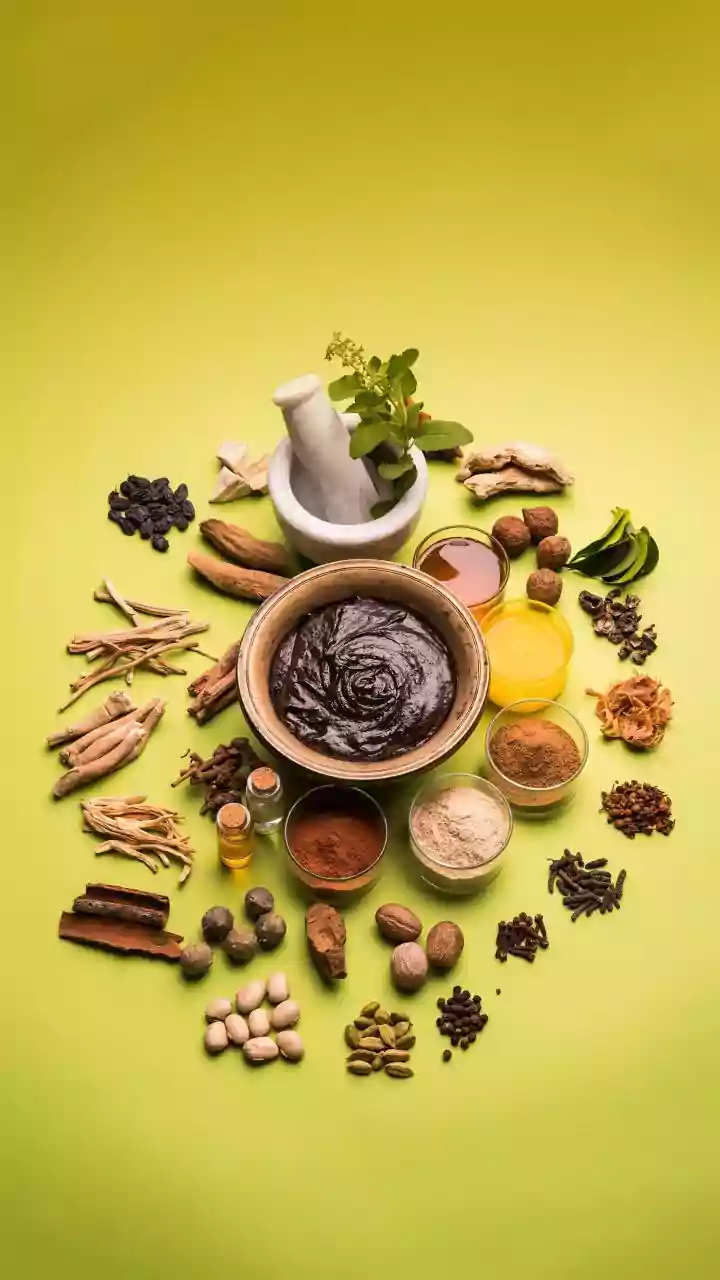
Complementary and alternative medicine (CAM) therapies offer additional avenues for managing psoriatic arthritis symptoms, often used alongside conventional treatments. This section provides an overview of various CAM approaches, such as acupuncture, massage therapy, and certain herbal remedies, explaining their potential benefits and considerations. It's crucial to approach these therapies with an informed perspective, understanding that they can complement but not replace standard medical care. The focus is on exploring options that may offer supplementary relief for pain, stiffness, and inflammation, empowering individuals to make informed decisions about their treatment plan with their healthcare providers.
Weekly Learning Structure
The program is structured around a series of quick, weekly micro-lessons, each designed to deliver digestible and actionable information in just 5 to 7 minutes. Each lesson focuses on a specific aspect of managing psoriatic arthritis, such as the power of anti-inflammatory foods or practical lifestyle tips. These lessons are enhanced by short, interactive quizzes that reinforce learning and encourage immediate application of new knowledge. This format ensures that busy individuals can consistently engage with the material, making gradual yet significant improvements to their health and well-being without feeling overwhelmed by the learning process.
Interactive Learning and Tips
Reinforcing your understanding is key to making lasting lifestyle changes. Each weekly lesson is complemented by short, interactive quizzes designed to test your knowledge and solidify what you've learned about managing psoriatic arthritis. Beyond quizzes, the program is packed with inspirational pro-tips that offer easy-to-follow, practical advice. These actionable insights are curated to make adopting healthy habits as seamless as possible, ensuring that implementing new strategies for reducing flare-ups and improving joint health is achievable in your daily life.
Expert Guidance Team
The content is developed by a team of distinguished medical professionals dedicated to providing accurate and actionable health information. Leading this charge is Nancy Carteron, M.D., FACR, a board-certified rheumatologist with extensive experience in internal medicine and multidisciplinary clinics. She is supported by Jillian Kubala, a registered dietitian who specializes in nutrition and lifestyle counseling. Together, their expertise ensures that the micro-lessons are grounded in scientific evidence and practical application, offering readers reliable guidance from trusted medical authorities for managing psoriatic arthritis effectively.