




Trade Deal Unveiled
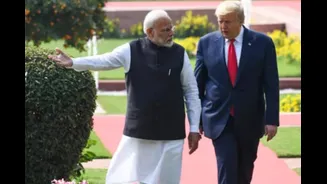
A recent trade arrangement between India and the United States has been announced, signaling a new phase in their economic relationship. While details
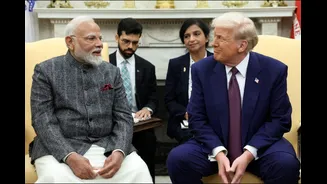
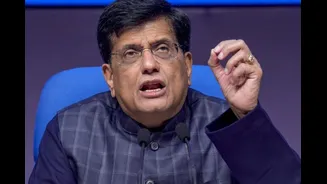
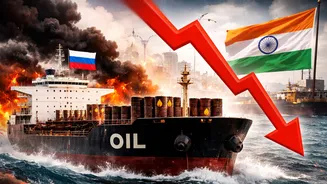
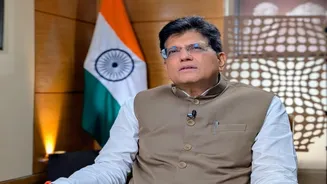
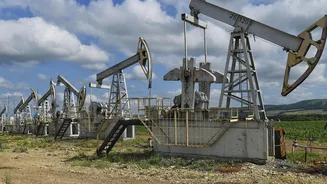
emerged about reciprocal tariff adjustments, a significant point of contention and ambiguity remained regarding India's procurement of Russian oil. When questioned by journalists, India's Commerce and Industry Minister Piyush Goyal deflected inquiries about Russian oil, stating it was a matter for the Ministry of External Affairs, while the External Affairs Minister S. Jaishankar had previously indicated that the trade negotiations were led by the Commerce Minister. US President Donald Trump initially announced the interim agreement, noting a reduction in tariffs on Indian goods to 18 percent and mentioning an end to additional duties on Russian oil purchases by India. He also claimed India committed to substantial purchases of American goods totaling $500 billion, including a stated intention to acquire crude oil from Venezuela and gradually remove tariffs on US imports.
Tariff Relief for US Goods
Under the newly established trade framework, India has committed to reducing or entirely removing tariffs on a broad spectrum of American industrial and agricultural products. This relief extends to crucial feed ingredients like dried distillers grains and red sorghum, essential for animal nutrition. Additionally, the agreement encompasses tree nuts, fresh fruits, and processed fruit items, along with soybean oil. Consumers and businesses will also see benefits from reduced duties on wine and other alcoholic beverages, and a multitude of other agricultural commodities. India's undertaking involves increasing its purchases of goods from the United States over the next five years, with an estimated total value projected to reach approximately $500 billion. A significant portion of these enhanced imports will comprise energy products, but the agreement also includes substantial commitments for aircraft and aviation parts, precious metals, technology products, and large quantities of coking coal.
Easing Trade Friction
Beyond direct tariff adjustments, the agreement addresses various regulatory hurdles to facilitate smoother trade flows. India has pledged to ease market access for medical devices, ensuring a more streamlined entry process for these products. Similarly, information and communication technology goods will benefit from improved clearance procedures. The pact also aims to reduce non-tariff barriers affecting agricultural imports and move towards simplifying import licensing procedures. On the reciprocal side, the United States will implement an 18 percent tariff on certain Indian goods under an executive order, impacting sectors such as textiles and apparel, leather and footwear, and plastic and rubber products. Biochemicals, handicrafts, home décor items, and specific machinery also fall within this tariff category. The agreement is designed to evolve, with plans for the US to eventually remove duties on several Indian exports, including generic medicines, diamonds, jewelry, and aircraft and aviation components, including aerospace tariffs linked to national security.
Future Market Access
The interim trade arrangement lays the groundwork for future market access, particularly in sectors of mutual commercial interest. Both nations are working towards establishing durable mechanisms to ensure that the benefits of the agreement primarily accrue to India and the US. Technical standards and testing procedures are being harmonized to reduce trade friction. The agreement also includes provisions for proportionate responses if either country revises its tariffs. Looking ahead, negotiators are focused on deepening market access through a more comprehensive bilateral trade pact. A key pillar of this evolving partnership is technology trade, with expanded commercial exchange anticipated for advanced computing hardware like GPUs used in data centers, alongside increased joint technology collaboration. Both sides are committed to enhancing transparency in digital trade rules and removing discriminatory digital barriers, with implementation timelines expected shortly, aiming for the interim arrangement to mature into a broader, balanced bilateral agreement.
Geopolitical & Agricultural Impact
The implications of this trade deal extend beyond economic metrics, touching upon strategic and agricultural considerations. Trade analysts are closely examining the potential effects on India's agricultural sector, specifically its minimum support price system and public procurement models. The political sensitivity surrounding staple crops like dairy, rice, and wheat, which are vital to the livelihoods of millions in rural India, is a significant point of discussion. Strategic observers are also monitoring the defense and energy linkages, with procurement commitments potentially extending beyond fuel to include aircraft, helicopters, and even nuclear reactors. The substantial $500 billion purchase figure mentioned by President Trump has fueled speculation about the significant role defense orders could play in this burgeoning economic partnership between the two nations.