







Current Silver Rates
Silver prices in India are updated regularly, reflecting the fluctuations in the market. The prices are available for 10g, 100g, and 1kg of silver. These
rates are influenced by international prices, import duties, and other taxes. This section offers a snapshot of current silver prices in major Indian cities such as Bangalore, Chennai, Delhi, Kolkata, Mumbai, and Pune. Note that the prices are dynamic and can change, so staying informed is key. This section provides the current price per gram as of March 16, 2025 and a list of various cities and their prices for silver in the Indian market.
Factors Affecting Prices
Several elements influence the cost of silver in India. Global market trends, import duties, and taxes significantly impact local prices. Like gold, silver is viewed as an investment avenue, making its price sensitive to market dynamics. The demand from industrial sectors and the jewellery industry, coupled with import duties, plays a crucial role in setting domestic silver rates. The interplay of these factors determines how much silver costs across different Indian cities, which are constantly changing. This section will shed light on the factors which play a crucial role in setting the prices.
Silver vs Gold
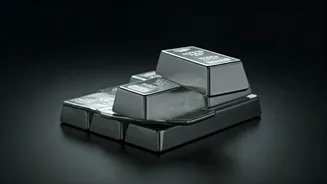
Silver is frequently considered a more affordable option compared to gold. Although silver is used in jewelry and industrial sectors, its lower price point makes it accessible to a broader range of investors. For example, in March 2025, the cost of 1 gram of silver was ₹61.40. At that price, an investor could buy approximately 1 kg of the precious metal for ₹61,400. However, that same amount could only buy about 10 grams of gold. The demand for silver in jewelry and industrial firms is also higher than gold, but the prices remain lower, making it a favorable investment for those seeking long-term value. The difference in price, with similar usage, influences the buying behaviors and choices in investment.
Buying and Purity
Silver can be purchased from various sources, including banks, jewelers, and online vendors. Banks often provide purity checks and assurances, which may affect the price. The purity grade of silver is a crucial factor, with fine silver typically graded as 999.9, 999.5, or 999. For jewelry and artifacts, the purity levels are commonly 970, 925, 900, and 835. Sterling silver, widely used by jewelers, consists of 92.5% silver and 7.5% of other metals. Understanding the purity grade and source is important for making informed decisions. It is important to know where to buy silver from, and also to know the purity grade of the silver.
Import and Production
India relies heavily on imports to meet its silver requirements, as domestic production is not sufficient to meet the high demand. Major import partners include China, the United Kingdom, the European Union, Australia, and Dubai. The import duty on gold currently stands at 10%, and the government may adjust this based on the economic situation. Silver's availability is diminishing because of the high demand, which creates the potential for financial gains for those who invest in the metal. Jharkhand, Gujarat, and Rajasthan are important silver-producing states in India.