



Winter Wonders
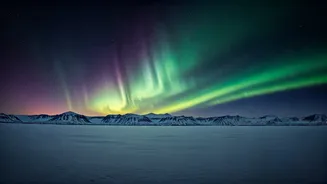
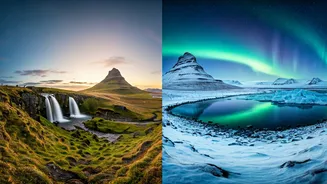
From December through February, Iceland transforms into a realm of frost and twilight, offering the prime opportunity to witness the mesmerizing dance
of the Northern Lights. While daylight hours are limited, the extended darkness is crucial for aurora viewing, especially when venturing away from city lights. This period typically sees temperatures hovering around freezing, with occasional snow and rain. Despite potential road challenges due to winter conditions, the festive atmosphere, Christmas markets, and unique local traditions like the Þorrablót mid-winter feasts, featuring fermented shark and boiled sheep's head, add a distinct cultural richness. Ski resorts may open, and community events often brighten the short days. For those seeking the aurora, expert-guided tours are highly recommended due to variable road conditions and the possibility of snowstorms.
Spring Awakening
As March transitions into May, Iceland experiences a gradual awakening. Daylight hours significantly increase, and snow begins to recede, especially at lower elevations. While the weather remains unpredictable, often presenting a mix of cold, snow, and sunshine, this is an excellent period for snow sports. The first migratory birds begin to return, and nature slowly revives with blooming wildflowers and budding trees. Temperatures gradually rise, though they can still be cool, with averages ranging from 2°C to 10°C (35.6°F to 50°F) in May. This shoulder season offers fewer crowds and more moderate prices for flights and accommodation, making it ideal for budget-conscious travelers. It's also the time when young lambs and foals are born, and whale and bird watching become increasingly enjoyable as various species return to the coastlines. While many roads are open, some nesting areas might have access restrictions.
Summer's Embrace
June through August marks Iceland's peak tourist season, characterized by the phenomenon of the midnight sun, where daylight extends for nearly 24 hours around the summer solstice. This extended daylight is perfect for an array of outdoor activities, including hiking, biking, and horseback riding, with temperatures typically ranging from 9°C to 13°C (48°F to 55°F). All attractions are generally accessible, and highland roads often open by July, though many require a 4WD vehicle. This is also the prime time for whale watching and for spotting puffins, which nest on coastal cliffs from May to August, with Dyrhólaey and the Westman Islands being popular locations. However, the popularity of summer means higher prices and larger crowds, particularly at renowned sites like the South Coast and the Golden Circle. To mitigate this, visiting popular spots during off-peak hours, early in the morning or late in the evening, is advisable. This season is also brimming with festivals, from national celebrations like Fishermen's Day to music festivals and Pride parades.
Autumn's Palette
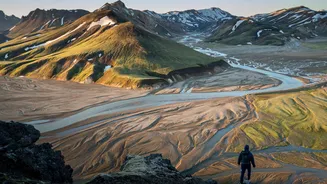
From September to November, Iceland enters its autumn phase, offering a visual spectacle of nature's changing colors, with forests and heather turning vibrant shades of yellow, orange, and red. This period presents a good balance of fewer crowds than summer and a reasonable chance of witnessing the Northern Lights as the nights lengthen. Temperatures begin to drop, and while daylight hours shorten, hiking can still be enjoyable, though warm clothing is essential. Road conditions can become slippery as temperatures fall, and stormy weather is possible. The fall is also a time for cultural events and traditions, such as the Réttir sheep and horse roundups and various music festivals. As winter approaches, Christmas preparations begin, making it an excellent time to explore galleries, museums, and enjoy the capital's cultural offerings. While camping becomes less advisable, road tripping remains feasible with caution.