







The Cellular Science
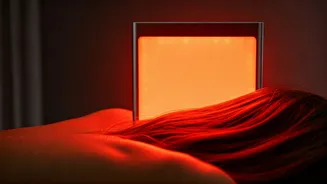
Red light therapy, also known as low-level light therapy (LLLT), employs specific red and near-infrared light wavelengths to boost cellular activity. Unlike
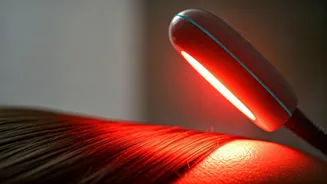
harmful UV rays, this therapy penetrates the skin without causing damage, reaching deeper tissues to invigorate cells. At its core, the process involves light energy being absorbed by mitochondria, the powerhouses of our cells. This absorption triggers an increase in Adenosine Triphosphate (ATP) production, which is crucial for cellular energy and repair mechanisms. Think of it as giving your cells a much-needed energy boost, enabling them to function more efficiently and promote faster regeneration. For the skin, this translates to enhanced collagen synthesis, a reduction in inflammation, and an overall improvement in skin texture over time. On the scalp, the benefits include better blood circulation and a less inflammatory environment, fostering healthier conditions for hair follicles to thrive.
Hair Growth Potential
For those experiencing hair thinning, particularly conditions like androgenetic alopecia, red light therapy shows promising supportive results. Research indicates that it can effectively stimulate dormant hair follicles, potentially encouraging them to re-enter the active growth phase. It may also help to extend the duration of this growth phase, leading to fuller-looking hair. However, it's important to manage expectations; this therapy is not a magic bullet for advanced baldness or a replacement for medically necessary treatments. Instead, it functions best as a complementary therapy, working alongside other interventions to achieve optimal outcomes. The key lies in its ability to create a more conducive environment for existing and newly stimulated hair follicles.
Safe Usage Guidelines
Sania Mirza's reported 30-minute sessions highlight a common practice, but adherence to safety is paramount. In professional clinical settings, sessions typically range from 10 to 30 minutes, with medical-grade devices precisely calibrated for safety. Overexposure or using high-intensity devices without supervision can lead to adverse effects such as skin dryness, mild irritation, or headaches. Consistency in application is generally considered more impactful than excessively long durations. For individuals new to red light therapy, seeking professional guidance is highly recommended to ensure appropriate usage and dosage. It’s crucial to understand that while the therapy itself is generally safe, the intensity and duration of exposure must be carefully considered to avoid discomfort or potential side effects.
Who Can Benefit?
The majority of skin types typically respond well to red light therapy, experiencing its rejuvenating effects without significant issues. However, it's not universally suitable for everyone. Individuals diagnosed with photosensitive conditions, those currently experiencing active skin infections, or people taking medications that heighten sensitivity to light should absolutely consult a dermatologist before commencing treatment. It is also vital to remember that red light therapy is most effective when integrated into a broader wellness strategy. It should not be viewed as a standalone solution but rather as a component of a comprehensive routine that includes diligent skincare practices, proper nutrition, attentive scalp care, and adequate sun protection to maximize its benefits.