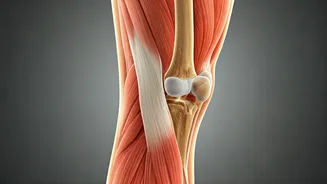







The Silent Decline
As we cross the threshold of our early thirties, our bodies initiate a subtle yet significant transformation. This period marks the onset of gradual muscle
mass reduction and a decrease in bone density, processes that often go unnoticed because they are initially painless. Orthopaedic experts highlight that this phenomenon, particularly muscle loss known as sarcopenia, is a frequently overlooked health concern in India. This decline isn't immediately apparent but steadily weakens us, impacting our metabolism. Even with consistent eating habits, our bodies may begin to store energy differently, leading to unwanted weight gain that's hard to connect to its root cause. Concurrently, bones also become less dense and more fragile over time, a condition termed osteoporosis. This fragility often only reveals itself through unexpected fractures from minor incidents, underscoring the silent nature of these age-related changes.
Understanding Sarcopenia & Osteoporosis
Sarcopenia is a progressive disorder characterized by the gradual diminishment of muscle mass and function, a common aspect of aging. This condition elevates the risk of falls, fractures, and a general reduction in life quality. While its exact causes are complex and debated, factors like genetics, lifestyle choices, and hormonal shifts are believed to play significant roles. On the other hand, osteoporosis is defined by weakened bones, rendering them far more susceptible to fractures. It's often termed a 'silent disease' because its presence is typically unknown until a bone breaks. While more prevalent among women post-menopause, men are also at risk. Contributing factors include age, inherited predispositions, hormonal fluctuations, certain medical conditions, and lifestyle habits like poor nutrition and insufficient physical activity.
The Interconnectedness of Muscle and Bone
Muscle and bone are not isolated entities but rather function as an integrated biological system. Muscles exert forces that are crucial for stimulating bones, prompting them to either maintain or enhance their density. Consequently, when muscle mass begins to diminish, the mechanical stress placed upon the bones is reduced. This decreased load is a significant contributor to the progressive loss of bone density. This interplay directly increases the vulnerability to osteoporosis and elevates the likelihood of experiencing fractures. Therefore, addressing muscle health is intrinsically linked to safeguarding bone strength and overall skeletal integrity as we age.
Strategies for Prevention
To actively combat the decline in muscle mass and bone density after age 30, a proactive and multifaceted approach is essential. The cornerstone of this strategy involves incorporating regular strength training, also known as resistance training. This form of exercise is paramount not only for building and preserving muscle but also for stimulating bone formation and enhancing bone density. Aiming for two to three strength training sessions weekly, targeting all major muscle groups, is highly recommended. This can encompass activities like lifting weights, using resistance bands, or performing bodyweight exercises. Alongside this, ensuring adequate protein intake is vital, as protein serves as the fundamental building block for muscle repair and growth. Consuming lean meats, poultry, fish, eggs, dairy, legumes, and tofu can provide the necessary protein. Furthermore, calcium and vitamin D are indispensable for bone health; calcium builds bones, and vitamin D aids in its absorption. Rich sources include dairy, leafy greens, and fortified foods, with sunlight and potential supplements contributing to vitamin D levels. Regular aerobic exercises like walking, running, or swimming also bolster overall health and aid in maintaining a healthy weight, which indirectly supports bone health.
Lifestyle Choices Matter
Beyond targeted exercise, several lifestyle choices play a critical role in preserving muscle and bone health as we age. A balanced diet, abundant in fruits, vegetables, whole grains, and healthy fats, supplies the body with the essential vitamins and minerals necessary for optimal muscle and bone function. Limiting processed foods, excessive sugar, and unhealthy fats is equally important. Crucially, avoiding smoking and moderating alcohol consumption are vital, as both habits can negatively impact bone density and muscle integrity. Staying adequately hydrated is also fundamental for overall bodily functions, including those supporting muscles and bones. Regular health check-ups with a physician are advisable, particularly for individuals with a family history of sarcopenia or osteoporosis, enabling timely risk assessment and personalized interventions.
Getting Started with Strength Training
For those new to strength training, the safest and most effective path involves starting gradually with a structured resistance program, prioritizing correct technique over lifting excessively heavy weights. Exercises using body weight, such as squats, wall push-ups, and lunges, are excellent starting points. Resistance bands and light weights also offer accessible options. A practical approach suggests engaging in 2-3 sessions per week, ensuring all major muscle groups are addressed. As strength improves, the intensity can be progressively increased. Beginners should complement their training with sufficient protein intake, vitamin D, and consistent physical activity, all of which are crucial for muscle repair and bone health. It is important to remember that strength training is not solely for aesthetic purposes; it is a powerful tool for protecting metabolism, bone density, and overall long-term physical function, and can be started at any age and fitness level.