






Clean AC Filters
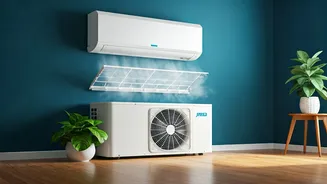
One of the most overlooked yet crucial aspects of AC maintenance is the regular cleaning or replacement of air filters. Over time, these filters accumulate
a significant amount of dust, debris, and other airborne particles. When filters become clogged, the AC unit struggles to draw in air effectively, forcing the motor to work much harder to achieve the desired cooling effect. This increased strain on the system not only diminishes its cooling performance but also leads to a substantial surge in electricity consumption. Aiming to clean your AC filters at least every two months, or more frequently if you live in a dusty environment or have pets, will ensure optimal airflow, enhance cooling efficiency, and ultimately reduce the energy your air conditioner uses, contributing to a lower electricity bill.
Tidy the Outdoor Unit
The outdoor component of your air conditioning system plays a vital role in heat dissipation. Often, this unit can become obstructed by natural elements such as fallen leaves, garden debris, and accumulated dust. When these materials surround the unit, they impede the free flow of air through the condenser coils. This blockage forces the AC to expend more energy to release heat, making the entire system less efficient. Regularly inspecting and clearing away any obstructions from around your outdoor AC unit is a straightforward maintenance task that ensures unimpeded airflow. By keeping the area clean and free from debris, you help your AC operate at its peak efficiency, preventing unnecessary energy expenditure and contributing to lower electricity costs.
Schedule Regular Servicing
Just like any complex machinery, your air conditioner benefits immensely from periodic professional check-ups. Regular servicing, often recommended by the manufacturer at specific intervals, ensures that all components of the AC system are functioning optimally. A technician can identify and address potential issues before they escalate, such as checking refrigerant levels, inspecting electrical connections, and cleaning internal parts that are difficult to access. This proactive approach not only prevents costly breakdowns but also ensures that the AC runs more efficiently. When an AC is well-maintained and properly serviced, it cools your home more effectively using less electricity, translating directly into savings on your energy bills.
Optimize Temperature Settings
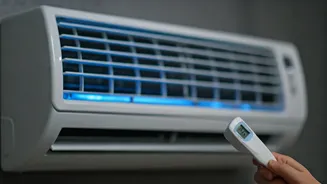
A simple yet highly effective strategy to cut down on AC-related electricity expenses involves adjusting the thermostat settings. Experts suggest maintaining an indoor temperature between 24°C and 26°C is generally optimal for both comfort and energy conservation in India. Each degree you lower the thermostat below this range can significantly increase the energy your AC consumes. By setting your AC to a slightly warmer, yet still comfortable, temperature, you reduce the workload on the unit, allowing it to run less frequently and for shorter durations. This conscious adjustment in temperature preference is one of the most direct and impactful ways to lower your monthly electricity bill without sacrificing comfort.
Seal Air Leaks
To maximize the efficiency of your air conditioning and prevent energy waste, it's crucial to ensure that the cool air generated remains inside your home. Air leaks, often found around windows, doors, and other structural openings, allow conditioned air to escape and hot outside air to infiltrate. This constant exchange forces your AC to work overtime to maintain the desired temperature, leading to higher electricity usage. Taking the time to identify and seal these gaps using weatherstripping, caulk, or other appropriate materials creates a more airtight environment. By keeping the cool air contained, you reduce the demand on your AC system, making it more efficient and helping to significantly lower your electricity bills.
Leverage Ceiling Fans
Incorporating ceiling fans into your cooling strategy can be a clever way to enhance comfort while reducing your reliance on the air conditioner. Ceiling fans create a wind-chill effect by circulating air, which makes the room feel cooler than the actual ambient temperature. This means you can often set your thermostat to a higher temperature, perhaps by a few degrees, and still feel comfortable. By allowing your AC to operate less intensely or for shorter periods, you naturally conserve energy. Over time, the consistent use of ceiling fans in conjunction with your AC can lead to substantial savings on your electricity bills, offering a dual benefit of comfort and cost reduction.