


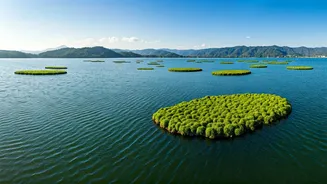


A Coastal Ecosystem
While the Sundarbans are globally renowned as the world's largest mangrove expanse, India harbors another significant natural wonder: the Pichavaram Mangrove
Forest. Located in Tamil Nadu's Cuddalore district, this ecosystem stands as the second-largest in the nation. It covers an impressive area of approximately 1,100 to 1,478 hectares, extending into broader wetland territories nestled between the Vellar and Coleroon river estuaries. This vast network is characterized by over 50 small islands interconnected by a labyrinth of thousands of intricate waterways and canals, forming a truly unique landscape.
Nature's Versatile Retreat
Pichavaram offers a multifaceted destination appealing to a wide range of visitors. Whether one is seeking a secluded romantic getaway, a memorable family holiday, or an invigorating expedition into nature, this forest provides. The scenery is marked by its verdant canals, serene backwaters, and an unspoiled shoreline, crafting a picturesque setting that beautifully marries profound ecological importance with enriching visitor experiences, promising an escape from the ordinary.
Avian Haven Revealed
The mangrove forest serves as a crucial habitat for a rich variety of avian life, comprising both resident and migratory species. Visitors can commonly spot colorful kingfishers, elegant herons, watchful egrets, and majestic pelicans. Undertaking boat excursions, particularly during the early morning or late evening hours, presents unparalleled opportunities to witness these diverse bird species in their natural environment. This makes Pichavaram an ideal spot for nature enthusiasts and families keen on immersive wildlife observation and photography.
Blue Carbon Powerhouse
In climate discussions often dominated by tropical rainforests, Pichavaram's mangroves highlight their exceptional efficiency, particularly in carbon storage, coastal defense, and resilience. These mangrove ecosystems are recognized as potent 'blue carbon' reservoirs, storing an estimated two to five times more carbon per hectare than tropical rainforests. The carbon is predominantly sequestered and preserved for centuries in the oxygen-depleted soils and the intricate root systems. Pichavaram functions as a consistent annual carbon sink, demonstrating strong seasonal sequestration capabilities, proving its high effectiveness despite its relatively smaller scale compared to inland forest systems.