





Embrace the Hobby Revolution
In the year 2026, a significant shift in lifestyle is captivating individuals worldwide: hobby-maxxing. This movement actively encourages a departure from
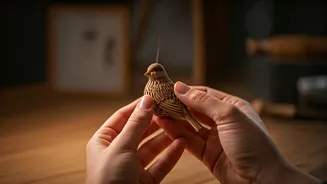
the pervasive habit of 'doomscrolling' and other passive forms of digital entertainment. Instead, it champions the intentional integration of engaging, hands-on pursuits into daily life. The core principle is to substitute excessive screen time with activities that provide tangible progress and a genuine sense of accomplishment. Whether it's the tactile experience of working with clay, the nurturing act of gardening, or mastering a new craft, hobby-maxxing aims to rekindle a connection with the physical world and foster a sense of fulfillment that often eludes us in the digital realm. This trend represents a conscious effort to reclaim our time and mental energy, investing it in activities that bring lasting satisfaction and personal growth.
What is Hobby-Maxxing?
At its heart, hobby-maxxing is a deliberate strategy to elevate the importance of personal hobbies above sedentary, screen-dependent habits. It’s a proactive decision to engage in activities that stimulate both the mind and the body, moving beyond mere observation to active participation. This encompasses a wide spectrum of interests, from the intricate detail of crafting and artistic endeavors like painting, to physical activities such as participating in sports or embarking on a journey of learning a new skill. The essence lies in choosing to invest your time and focus in pursuits that offer a sense of purpose and personal development, rather than passively consuming digital content. It’s about making a conscious choice to be an active participant in your own leisure time, fostering engagement and a feeling of genuine accomplishment.
Why is it Trending Now?
The widespread adoption of hobby-maxxing in 2026 is a direct response to the collective exhaustion felt from prolonged exposure to screens and the relentless cycle of social media. This digital saturation has led to a widespread feeling of burnout, making individuals seek a restorative antidote. Hobby-maxxing offers precisely that—a chance to disconnect from the virtual world and re-establish a connection with tangible reality, harness innate creativity, and build meaningful relationships within offline communities. It’s a trend born out of necessity, as people crave a genuine reset and a way to engage with the world in a more authentic and rewarding manner, free from the pressures and anxieties often associated with constant digital connectivity.
Popular Hobby Choices
The spectrum of activities embraced under the hobby-maxxing umbrella is vast and diverse, catering to a multitude of interests and skill levels. Among the most frequently chosen pursuits are creative arts like pottery, where the tactile nature of shaping clay offers a grounding experience, and painting, which allows for vibrant self-expression. Similarly, fiber arts such as knitting and the culinary arts involving baking and cooking provide both a sense of creation and a delicious outcome. For those drawn to nature, gardening offers a rewarding connection to the earth and a chance to cultivate life. Social engagement is also a key component, with book clubs and running groups fostering camaraderie and shared goals. Furthermore, movement-based activities like dance and Pilates, or adventurous pursuits such as surfing, encourage physical well-being and a sense of exhilaration. The common thread among these popular choices is their emphasis on skill development and direct, real-world interaction.
Mental Health Benefits
Beyond the sheer enjoyment they provide, hobbies play a crucial role in nurturing mental well-being. Extensive research consistently highlights the positive impact of engaging in dedicated pastimes. These activities have been shown to significantly reduce stress levels, offering a healthy outlet for tension and anxiety. The focused nature of many hobbies can also enhance cognitive functions, leading to improvements in memory and concentration. Furthermore, the sense of accomplishment and personal growth derived from mastering new skills or completing projects contributes to an overall boost in mood and self-esteem. This profound connection to mental health is a primary driver behind the growing popularity of hobby-maxxing, as individuals increasingly recognize that investing in their passions is an investment in their overall happiness and quality of life.
The Nostalgia Connection
A significant aspect of the hobby-maxxing trend is the powerful pull of nostalgia. Many individuals are rediscovering and embracing hobbies they cherished during their childhood, finding solace and delight in these familiar activities. Whether it's the intricate joy of building with Lego bricks or the nostalgic thrill of collecting trading cards, these pastimes evoke a profound sense of comfort and innocent pleasure. In the often-complex and demanding routines of modern adult life, these revisited hobbies offer a welcome escape, transporting people back to a time of simpler joys and fewer responsibilities. This connection to cherished memories provides an emotional anchor, enriching the present experience with the warmth and security of the past, making the pursuit of these hobbies a deeply satisfying and emotionally resonant endeavor.
Finding the Right Balance
While the benefits of hobby-maxxing are numerous, it's essential to approach it with a mindful perspective to avoid potential pitfalls. Like any "maxxing" trend, there's a possibility of overdoing it. Attempting to cram too many hobbies into an already busy schedule can inadvertently transform what should be a source of relaxation and joy into a new form of pressure and obligation. The true essence of hobby-maxxing lies not in relentless productivity or the sheer quantity of activities undertaken, but in the quality of engagement and the genuine pleasure derived from them. The ultimate goal is to strike a harmonious balance, ensuring that hobbies serve as a fulfilling escape and a source of personal enrichment, rather than becoming another item on a demanding to-do list. Prioritizing joy over performance is the key to sustaining this rewarding lifestyle.