





Centaur Joins SLS
In a significant update for the Space Launch System (SLS) program, NASA has officially chosen the Centaur upper stage, a component well-known for its role
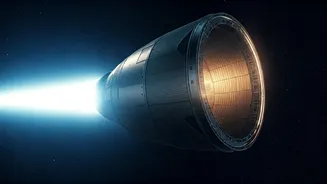
in United Launch Alliance's (ULA) Vulcan rockets, to power future iterations of the SLS. This decision marks a departure from the original plan which involved the Exploration Upper Stage (EUS) for missions beyond Artemis 3. The formal documentation, a Justification for Other than Full and Open Competition, published on March 6, indicates that the Vulcan Centaur 5 upper stage is the sole viable option to supersede the EUS. This move allows NASA to proceed with a single-source contract with ULA for the procurement of these Centaur upper stages, specifically for the Artemis 4 and 5 missions, along with a necessary flight spare. While the exact financial figures remain undisclosed, this strategic alignment aims to ensure consistent performance and operational continuity for NASA's ambitious lunar exploration objectives.
Shifting Artemis Plans
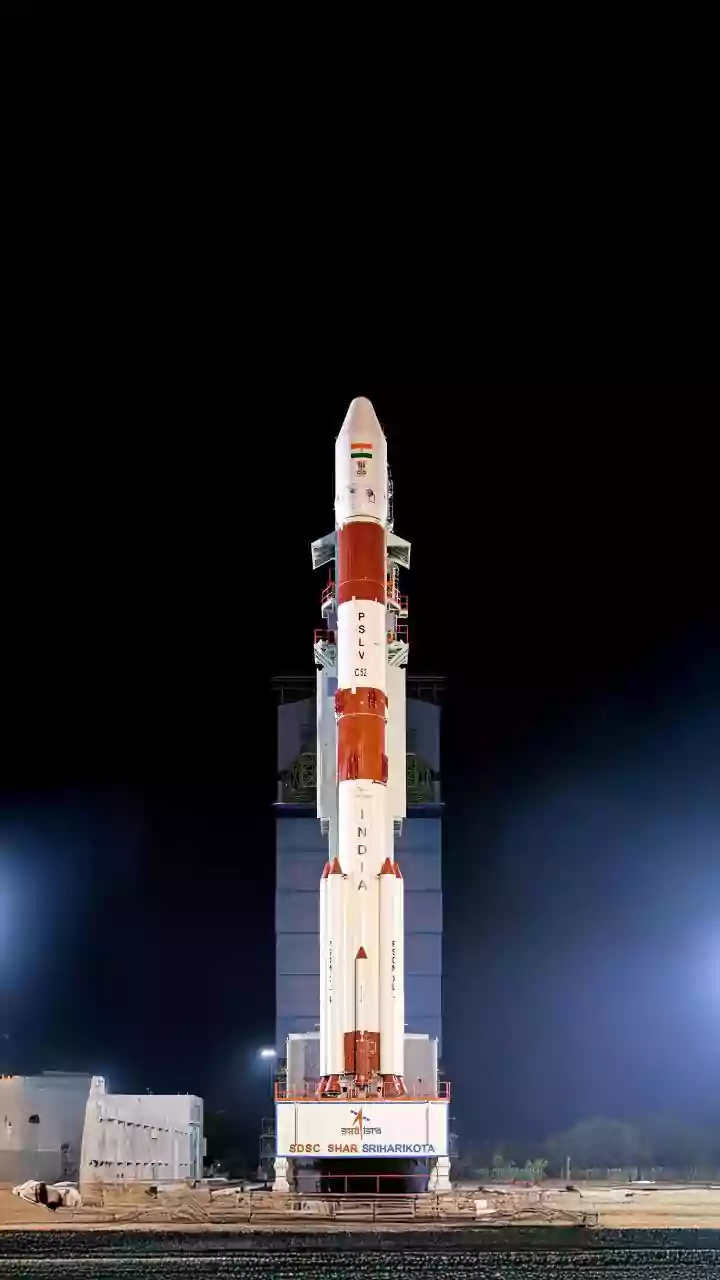
The agency's announcement on February 27th revealed a pivotal change: NASA would no longer pursue the development of the Block 1B variant of the SLS. This Block 1B configuration was slated to incorporate the EUS, replacing the Interim Cryogenic Propulsion Stage (ICPS) that has been utilized in the Block 1 version. The ICPS, also a ULA product, was instrumental in the Artemis 1 mission in 2022 and is set to be used for Artemis 2 and 3. Following the decision to halt EUS development for the Block 1B, NASA stated its intention to standardize the SLS on a 'near Block 1' configuration for missions commencing after Artemis 3. A key factor in this standardization is the discontinuation of the ICPS production line, as it is derived from the second stage of the now-retired Delta 4 rocket. This prevents NASA from simply ordering additional ICPS units, necessitating a new solution for subsequent missions.
Centaur's Advantages
Following the announcement regarding the Block 1B's cancellation, NASA remained tight-lipped about its chosen replacement for the EUS, deflecting questions about alternative stages and the selection process. However, it was widely anticipated that the Centaur upper stage was the most logical candidate. The Centaur shares notable design similarities with the ICPS, particularly in its utilization of RL10 engines and its operation with liquid hydrogen and liquid oxygen propellants. Few other available upper stages offer comparable performance metrics and utilize the same propellant combination. NASA's filing underscores this, stating, 'This approach leverages current support infrastructure and will use, with relatively minor modifications, an existing ULA upper stage.' The document further asserts that 'All other alternative solutions fail to meet the performance requirements, would require significant modifications to hardware that is still under development, or would require the development of new hardware that does not currently exist,' highlighting Centaur's readiness.
Evaluating Alternatives
During its evaluation process, NASA considered another potential candidate: the upper stage designed for Blue Origin’s New Glenn rocket. This alternative is also powered by liquid hydrogen and liquid oxygen, utilizing BE-3U engines. Despite these similarities, NASA's analysis concluded that 'only the Centaur is capable (with relatively minor modifications) of meeting the requirements of the Government.' The New Glenn upper stage, conversely, was deemed to 'require significant modifications.' Furthermore, the document points out that the New Glenn stage, having completed only two flights, is still in its nascent stages of development, whereas Centaur variants have a legacy spanning over five decades. Adapting the New Glenn stage would necessitate alterations to both the stage itself and the existing ground infrastructure, potentially including shortening the stage to ensure it could clear the Vehicle Assembly Building's main entrance. The document ominously concluded regarding the New Glenn option that 'Full-scale testing and requalification would result in unacceptable schedule impacts and additional cost risk to the SLS Program.'
ULA's Crucial Role
While the specifics of the 'minor modifications' required for the Centaur to integrate with the SLS remain undisclosed, the filing emphasizes ULA's deep familiarity with the SLS program and the shared hardware components between the ICPS and the Centaur. NASA's concluding remarks in the filing highlight ULA's established infrastructure, available resources, extensive flight history, existing cross-program integration capabilities, and crucial experience with human-rating the Centaur upper stage. This collective expertise, NASA concluded, represents 'the only currently viable opportunity for the Government to accomplish Artemis mission objectives and requirements while also maintaining the agency’s programmatic goals.' It is important to note that, under current legislation, NASA is still obligated to develop the Block 1B SLS with the EUS. However, a recent Senate Commerce Committee advancement of a NASA authorization bill includes provisions that could allow NASA to substitute the EUS with an alternative upper stage if the agency determines the EUS is 'unlikely to achieve the mission goals of the Artemis campaign.'