








The Sleep Struggle
Many individuals find themselves grappling with sleep disturbances in today's fast-paced world, often attributing it to late-night digital engagement or persistent
overthinking. Amidst a culture that prioritizes peak performance in various aspects of life—from fitness and nutrition to self-care routines—achieving adequate rest can feel increasingly elusive. By the time bedtime arrives, numerous people opt for activities like binge-watching shows, extended social media scrolling, or engaging in mindless snacking, all of which can subtly compromise the quality of their sleep. This widespread challenge has fueled a search for simple, effective solutions to improve sleep.
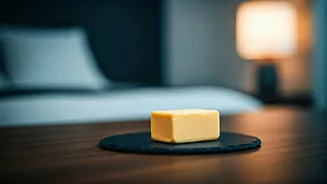
The Butter Before Bed Trend
The internet has recently buzzed with a peculiar sleep remedy: consuming a small amount of butter just before retiring for the night. This trend, popularized by wellness influencers and biohackers, suggests that the fat content in butter can promote better sleep. Proponents often link this idea to concepts from ketogenic and low-carb diets, positing that fat intake can stabilize blood sugar levels throughout the night, prevent hunger pangs, and potentially mitigate stress hormone fluctuations. While many anecdotes suggest personal success with this method, the scientific backing and expert consensus are crucial to understanding its validity beyond anecdotal evidence.
Expert Sleep Science Views
From a rigorous sleep science perspective, there is a distinct lack of direct evidence proving that butter, in isolation, significantly improves sleep quality. The widespread appeal of this trend largely stems from individuals actively seeking straightforward solutions to common sleep issues, which naturally contributes to its rapid dissemination across online platforms. While some individuals report experiencing better sleep after consuming butter, these claims are primarily rooted in personal experiences rather than clinical studies. Experts emphasize that while fats and proteins can contribute to satiety and potentially prevent hunger-driven awakenings, butter is not a unique sleep-inducing agent.
Butter's Impact on Sleep
The sensation of hunger upon going to bed can indeed lead to awakenings during the night, as the body signals a deficit in energy reserves. Consuming a modest portion of fat or protein before sleep can create a prolonged feeling of fullness, thereby mitigating this issue. While butter can serve this purpose, it is by no means the sole option. Alternatives such as a handful of nuts, a serving of yogurt, or a small portion of cottage cheese can offer similar satiety benefits with potentially less digestive strain. Butter's high fat content does slow down digestion, aiding in sustained fullness, which may alleviate hunger-related sleep interruptions for certain individuals. However, it's important to note that butter does not directly promote sleep in the manner that foods rich in melatonin or magnesium might.
Why Butter Isn't a Fix
Butter contains butyric acid, which supports gut health and possesses anti-inflammatory properties beneficial for general bodily healing. Additionally, it carries fat-soluble vitamins like A, D, E, and K, essential for hormonal balance, immune system function, and tissue repair. However, the quantities of these nutrients provided by a small portion of butter are generally insufficient to cause a significant, direct improvement in sleep quality, despite their overall health advantages. Blood sugar stability is a critical factor influencing sleep. When blood sugar levels drop precipitously during the night, the body can release stress hormones such as cortisol and adrenaline, potentially triggering awakenings or hindering the ability to fall back asleep. Persistent fluctuations in blood sugar can disrupt sleep patterns, with significant dips necessitating a hormonal stress response that leads to restlessness and interrupted sleep.
Who Might Benefit?
For individuals who adhere to ketogenic or low-carb diets, or those who frequently experience nighttime hunger and wake up between 2 and 4 am, a small, high-fat snack before bed might offer some relief. This can help manage hunger and promote more uninterrupted sleep. However, experts strongly caution that butter is not universally suitable. Individuals with pre-existing conditions like high cholesterol, heart disease, acid reflux, gallbladder issues, or lactose intolerance should exercise caution. Butter is rich in saturated fat and calories, which can exacerbate these conditions or cause discomfort. For many, optimizing the overall balance of meals throughout the day proves more beneficial than adding butter before sleep. If nighttime hunger is a persistent concern, a snack combining both fat and protein often serves as a gentler and more effective strategy. Portion control remains paramount, and consulting a healthcare professional or dietitian is advisable for those with underlying health issues or during pregnancy before incorporating this habit.
Effective Substitutes
While experts acknowledge butter's potential role in preventing nighttime hunger for some, they emphasize that it is merely one of many options available. A small, well-balanced bedtime snack that incorporates both fat and protein can effectively stave off hunger without feeling overly heavy. Viable alternatives include nut butters, Greek yogurt, cottage cheese, a glass of warm milk, a few soaked almonds, a hard-boiled egg, or a small piece of cheese, many of which offer additional nutritional benefits. Foods rich in magnesium or tryptophan can also aid in pre-sleep relaxation. Ultimately, the ideal bedtime snack is one that is light, easily digestible, promotes stable energy levels, and aligns with individual dietary needs and preferences.
The Final Word
Consuming butter before bed is not a definitive solution for sleep problems, but for individuals prone to going to bed hungry, a modest snack can indeed help mitigate late-night awakenings. The core principle is not the butter itself, but rather the avoidance of hunger and the maintenance of stable blood sugar levels throughout the night. If butter proves unsuitable for personal physiology, a variety of other, gentler options can achieve similar results. Ultimately, achieving better sleep relies on understanding and responding to your body's specific needs rather than chasing popular but unverified viral trends.