



The Majestic Indian Gaur
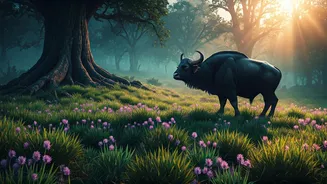
Let's begin with the Indian Gaur, often referred to as the Indian bison. This magnificent creature holds the title of the world's largest wild bovine and
is currently classified as vulnerable. You're most likely to spot these powerful yet inherently shy animals peacefully grazing in the open clearings and expansive grasslands scattered throughout the Nilgiri landscape. Their presence signifies a healthy ecosystem, and observing them in their natural habitat is a truly awe-inspiring experience. The Nilgiri Hills provide essential grazing grounds and refuge for these impressive herbivores, making conservation efforts in the region paramount to their continued survival and the preservation of their ecological role.
Elusive Indian Pangolin
Next on our list is the Indian Pangolin, a truly remarkable and often unseen inhabitant of these hills. Sadly, this species is recognized as one of the most trafficked mammals globally, which contributes to its rarity in sightings. The pangolin's nocturnal and solitary lifestyle further adds to its elusiveness. Its body is distinctively covered in protective keratin scales, offering a unique defense mechanism against predators. As an insectivore, its diet primarily consists of ants and termites, which it expertly extracts with its long, sticky tongue. The severe threats posed by illegal wildlife trade underscore the critical need for robust conservation strategies to protect this extraordinary creature from further decline.
Silvery Lion-tailed Macaque
The Lion-tailed Macaque is an easily recognizable primate, distinguished by its striking silver-white mane framing its expressive face. These macaques are arboreal, spending most of their lives high up in the rainforest canopy. They possess a deep reliance on undisturbed forest environments, making habitat fragmentation a significant threat to their populations. As their homes are broken apart, their ability to thrive diminishes, leading to a continuous decline in their numbers. The vibrant green of the shola forests provides the essential environment for these social animals, highlighting the critical importance of preserving these intact forest ecosystems for their long-term survival and the health of the rainforest.
Endangered Nilgiri Laughingthrush
Let's turn our attention to the avian wonders of the Nilgiri Hills, specifically the Nilgiri Laughingthrush, also known locally as the Nilgiri sholakili. This beautiful bird is critically endangered and has a remarkably limited geographical range, being found exclusively within the unique shola forests of the Western Ghats. These high-altitude evergreen forests, interspersed with grasslands, provide the specific habitat this bird needs to survive. The combination of its restricted distribution and the ongoing pressures of habitat loss makes conservation initiatives within the Nilgiri Biosphere Reserve particularly vital for the future of the Nilgiri Laughingthrush. Protecting its specialized environment is key to ensuring its persistence.
The Rare Nilgiri Marten
Moving to the carnivores, we encounter the Nilgiri Marten, a fascinating and rarely sighted mammal native to India. This elusive creature inhabits the dense evergreen forests of the Western Ghats, often moving stealthily through the undergrowth. As the sole marten species in India, it plays a crucial role in maintaining the delicate ecological balance of its forest home. Its presence indicates a healthy forest ecosystem, as it preys on smaller animals and helps regulate their populations. Due to its secretive nature and preference for undisturbed habitats, spotting a Nilgiri Marten is an exceptional event, underscoring its status as a rare and valuable part of this region's wildlife.
Iconic Nilgiri Tahr
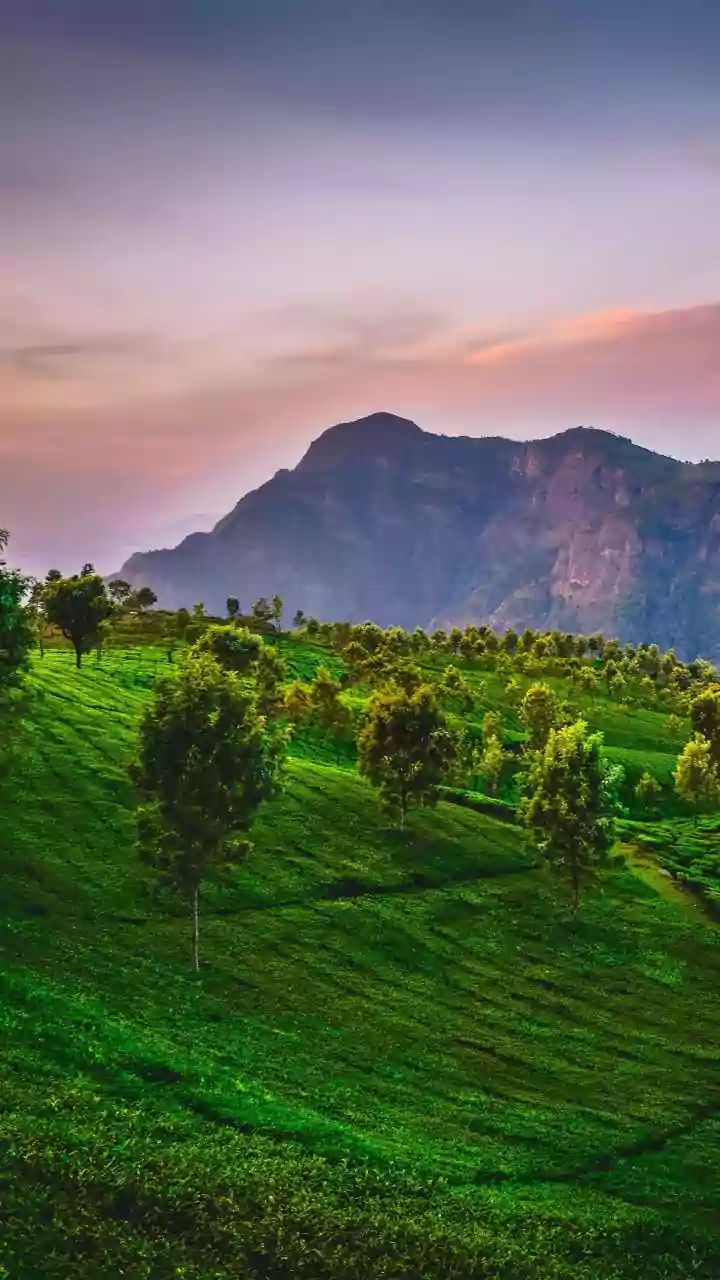
Our final highlight is the Nilgiri Tahr, an endangered mountain ungulate that is a true symbol of the Western Ghats' high-altitude grasslands. These remarkable animals are characterized by their distinctive curved horns and an astonishing ability to navigate incredibly steep and treacherous cliff faces with ease. The Nilgiri Tahr thrives in the rugged terrain, utilizing the open grasslands for grazing and the rocky outcrops for safety. As a flagship species, its conservation is paramount for the broader ecological health of the Nilgiri landscape, drawing attention to the importance of protecting its unique mountain habitat and the intricate web of life it supports within the Western Ghats.