




Cooling Paint Power
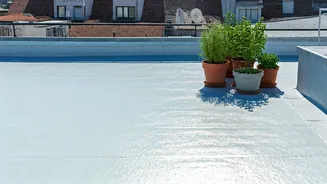
One of the most accessible strategies to combat roof heat involves applying specialized cooling paints. These coatings, typically in light or white hues,
are designed to maximize the reflection of solar radiation away from your roof surface. By minimizing the amount of sunlight absorbed, the roof's temperature remains considerably lower, which in turn reduces the heat transferred into your living spaces. This method is attractive due to its simplicity; it generally requires only a thorough cleaning of the existing roof surface followed by the application of the paint, often without the need for professional installation or major structural modifications. While highly effective, it's important to note that the performance of cooling paint can diminish over time, particularly in areas prone to heavy rainfall or significant dust accumulation, necessitating occasional reapplication to maintain optimal heat-repelling capabilities.
Elevated Sheet Solutions
Employing roofing sheets above your current roof structure offers another robust approach to mitigating heat gain. This technique involves installing materials like metal or polycarbonate sheets at a distance from the existing roof, crucially creating a small air gap. This interstitial space is vital as it facilitates airflow, acting as a natural insulator by reducing direct heat conduction from the sun's rays to the primary roof. The visible nature of this installation means it's a more apparent modification compared to paint, but it typically boasts greater longevity and requires less frequent maintenance once set up. By effectively blocking direct sunlight and harnessing the cooling effect of trapped air, this method significantly alters the thermal dynamics of your home's uppermost layer.
Terrace Garden Oasis
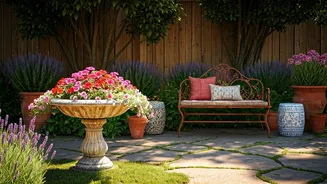
Transforming your terrace into a vibrant garden presents a natural and aesthetically pleasing solution for roof cooling. By covering the roof surface with a layer of soil, plants, and even grass, you create a living barrier that absorbs solar heat before it can penetrate further. This green cover not only provides excellent thermal insulation but also enhances the visual appeal of your home and can offer environmental benefits. However, this method demands consistent commitment; regular watering, ongoing plant care, and ensuring the underlying roof is properly waterproofed are essential to prevent moisture-related issues and structural damage. When executed correctly, a terrace garden offers a dual advantage of cooling and beautifying your living space.
Insulation Layer Benefits
For a more enduring and effective heat-proofing solution, consider installing insulation layers atop your roof. This involves applying materials such as foam boards or specialized outdoor tiles directly onto the roof surface. While not designed to completely block heat, these materials significantly slow down its transfer into the building. This delay in heat penetration ensures that your indoor spaces remain cooler for longer periods, even during the hottest parts of the day. Although this method typically incurs a higher initial investment compared to simpler options like paint or temporary coverings, its long-term durability and minimal maintenance requirements offer substantial value. A professionally installed insulation layer can provide lasting comfort and energy savings for years to come.
Quick Fixes & Combinations
Beyond more permanent solutions, several temporary and readily available methods can offer immediate relief from intense heat. These often involve using readily accessible materials like wet gunny bags, bamboo or straw mats, or even a simple temporary white coating spread across the roof. These techniques primarily leverage basic principles of shade and evaporative cooling. While they require regular upkeep and may not last through extended periods of peak heat, they are highly effective for short-term relief during heatwaves. Furthermore, combining different methods, such as applying cooling paint along with installing roofing sheets or ensuring proper waterproofing before adding any layers, can amplify the overall cooling effect and provide more comprehensive protection against the summer sun.