
A Melting Pot
India's culinary landscape is a fascinating tapestry, woven with threads from various regions, each boasting unique flavors and cooking techniques. The
history of India has brought in different cultures, each contributing their own methods. From the use of spices to the cooking styles, each state has its specialty. This diversity gives rise to a wide array of dishes, reflecting the country's rich heritage and cultural fusion. The northern region, influenced by Persian and Mughlai traditions, is famous for its rich gravies and creamy dishes. The southern states, on the other hand, are known for their use of coconut, rice, and fiery spices. Coastal regions incorporate seafood, while the eastern part of India has a penchant for sweets and fermentation techniques. These regional differences create a vibrant culinary world that offers something for everyone, making Indian food a global favorite.
Northern Delights
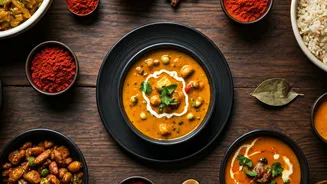
The North Indian cuisine is all about the richness and warmth of flavors. Creamy curries, tandoori preparations, and aromatic biryanis are central to this region. Dishes like butter chicken, with its tangy tomato base, are immensely popular. The use of dairy products like yogurt and paneer (Indian cheese) is quite common, lending a smooth texture to the dishes. The Mughal influence is prominent, seen in the use of nuts, dried fruits, and rich gravies in dishes like korma and nihari. The use of a tandoor, a traditional clay oven, is a signature element, resulting in the smoky flavors of tandoori chicken and various other kebabs. Naan and roti are the mainstays, perfect for soaking up the delicious gravies. The emphasis on flavorful spices like cardamom, cloves, and cinnamon also contributes to the warmth and taste of the North Indian cuisine, which makes it perfect for sharing during gatherings.
Southern Spice Route
The southern region of India explodes with flavorful options, characterized by the extensive use of spices, coconut, and rice. The food in this region is spicier and typically includes dishes like dosa, idli, and vada, which are staples for breakfast and often served with sambar and chutney. The coastal areas use fish and other seafood in their dishes. Each state offers unique dishes, such as the Chettinad cuisine from Tamil Nadu, known for its fiery curries, or the delicious seafood of Kerala, which is prepared with coconut milk and various spices. Rice plays an important part in every meal, and is often paired with a variety of vegetable dishes, curries, and lentil-based preparations. The use of tamarind, mustard seeds, and curry leaves adds a distinct taste to southern Indian cuisine, bringing out the freshness and vibrant flavors, making this a favorite for people all over the country.
Western Wonders
The Western region provides an equally varied culinary experience, from the spicy curries of Maharashtra to the vegetarian delicacies of Gujarat. The cuisine of Maharashtra is known for its flavorful dishes, which have a blend of both sweet and spicy flavors, such as vada pav and pav bhaji. Gujarat offers a vegetarian feast, known for its use of sweet, sour, and spicy tastes. The cuisine is often characterized by various types of dals, vegetables, and farsan (snacks). The use of jaggery, tamarind, and peanuts adds a unique touch to the dishes. Goa, with its Portuguese influences, presents a unique blend of flavors, with dishes such as vindaloo and xacuti featuring the use of vinegar and spices. The versatility of the western Indian cuisine, with its regional variations and influences, makes it an attractive culinary experience, giving a wide range of tastes.
Eastern Essence
Eastern Indian cuisine is known for its distinctive flavors and cooking methods, showing a unique blend of sweet, sour, and spicy tastes. Bengal is a hotspot for fish-based dishes and sweets. The cooking style is characterized by the use of mustard oil and a wide variety of spices, like panch phoron. Dishes like macher jhol (fish curry) and rasgulla (sweet dumplings) are quite popular. Odisha and Bihar also contribute to the unique culinary experience of the region, each with their own local specialties, like pitha (rice cakes) and litti chokha. The use of fermented foods and a preference for lighter, less oily dishes characterizes the eastern cuisine. The focus on fresh ingredients, combined with the blend of spices, makes the food vibrant and tasty. The love for sweets, which is a staple in the region, adds a finishing touch to this culinary experience, making the Eastern Indian cuisine memorable.
Spice Cabinet Secrets
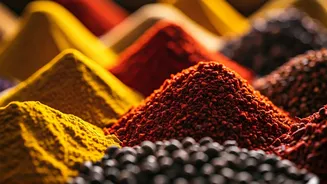
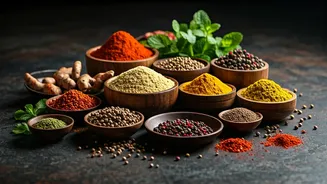
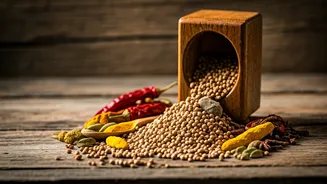
Indian cuisine is famous for its intricate use of spices. Spices are a key component to bringing the flavor of the dishes alive. Turmeric, coriander, cumin, and garam masala are some of the most common spices used in Indian cooking. Each spice has its own properties, from adding color to enhancing the taste, and even bringing health benefits. The art of blending these spices creates the signature flavors of different dishes. From mild curries to fiery vindaloos, the right combination of spices transforms the food and makes the dishes unforgettable. The aroma of spices also enhances the dining experience, making Indian food a sensory delight. Learning to use spices effectively is essential for any cook aiming to create authentic Indian dishes. The careful use of each ingredient ensures that every meal is flavorful and an example of the Indian culinary excellence.
Cooking Techniques
Indian cooking offers a wide variety of techniques that play a key part in the outcome of each dish. From the slow-cooking of curries to the tandoor-baked meats, each method contributes to the unique taste and texture. Grilling, frying, and steaming are common methods used to prepare Indian dishes. The use of a tawa (griddle) is important for preparing flatbreads like roti and paratha. The art of tempering spices in oil adds depth to the taste, whereas the dum pukht technique, which involves slow cooking in a sealed pot, locks in the flavors. These methods have been passed down through generations. Understanding these techniques is necessary for preparing the authentic Indian food. The precision of each method, along with the correct selection of ingredients, guarantees that each dish has the right flavor and brings out the Indian culinary heritage.
Cultural Significance
Food in India goes way beyond just nourishment; it is deeply rooted in culture and tradition. Almost every festival and event has its own specific food. Sharing food with family and friends is a common practice, representing love and togetherness. The manner in which food is served and consumed also carries symbolic meaning. For example, offering food to deities is a common practice, which shows gratitude. Vegetarianism is widely practiced, and the cuisine reflects this with an emphasis on plant-based ingredients. Food also plays a role in various rituals and ceremonies, symbolizing purity and auspiciousness. Understanding the cultural significance of food improves the whole dining experience, allowing people to recognize and appreciate the values that shape the dishes. This cultural element adds another layer to Indian cuisine, making it a source of community, celebration, and tradition.