




Understanding Sweet Potato Slips
Sweet potatoes, unlike their common potato cousins, don't sprout from 'eyes.' Instead, they produce slips, which are essentially seedlings that grow from the roots,
much like carrots or beets. These slips are vital for a successful sweet potato crop. Cultivating your own slips offers the advantage of cost savings and guarantees access to untreated, organic sweet potatoes. To achieve healthy slips and a robust harvest, maintaining warm temperatures and precise timing is paramount. The process of propagating these slips can be initiated indoors using water or soil, or directly planted outdoors in the garden. You can start this endeavor using sweet potatoes purchased from a grocery store or one saved from a previous harvest. When selecting a store-bought potato, opt for an organic variety, as these are less likely to have been treated with sprout inhibitors, ensuring a better chance for successful propagation.
Water Method Essentials
The water method is a widely favored technique for nurturing sweet potato slips, requiring minimal supplies: a clear glass, clean water, a couple of toothpicks, and a well-lit, sunny window. Begin by filling a clear glass about halfway with fresh water. Next, insert toothpicks into the sides of the sweet potato, near its tapered or rooting end. These toothpicks will act as supports, allowing you to suspend the potato in the water so that its rooting end is submerged. It's crucial to change the water weekly, or more frequently if it appears cloudy, to maintain a clean environment for root development. Within several weeks, you should observe roots forming beneath the water's surface, followed by small sprouts emerging above. Once these sprouts reach a length of 4 to 5 inches, carefully detach them from the potato and place them in a separate glass of clean water. They typically begin to develop their own roots within a day or two. After a strong root system has established, the slips are ready for transplanting into your garden. A single potato can continue to produce slips over time; simply return it to fresh water after removing the first set of sprouts, and you can continue harvesting slips until you have the desired quantity.
Soil-Based Propagation
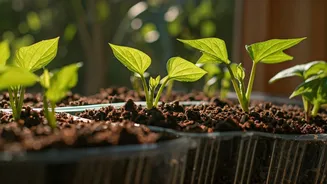
Starting sweet potato slips directly in the garden soil is a viable option, contingent on your climate providing the necessary warmth. This method requires waiting until the garden soil consistently reaches a temperature of 65°F. Once the soil is warm enough, bury the rooting end of a mature sweet potato directly into the soil, ensuring about half of the potato is covered. Roots typically begin to form within one to two weeks. You can test for root formation by giving the buried potato a gentle tug; resistance indicates successful rooting. Following root establishment, the upper portion of the potato, which remains exposed above the soil, will start to send up green shoots bearing leaves. When these shoots, or slips, reach a length of 4 to 5 inches, they can be carefully removed. This can be done by gently twisting them off at their base or by using scissors. After removal, strip off the lower leaves and place the slips into a clear glass jar filled with clean water, ensuring that one or two leaf nodes are submerged. Roots will sprout within a day or two. Once a substantial root system develops, the slips are ready to be transplanted into your garden. A potential downside to using soil for slip propagation, whether indoors or outdoors, is the risk of rot. If a sprouting potato is buried too deeply, its rooting end is damaged, or the soil remains excessively moist, it can quickly deteriorate. Should your sprouting potato rot, it must be discarded, and you'll need to start the process anew with a fresh potato.
Indoor Soil Method
For those looking to start slips indoors using soil, this method mirrors the direct garden approach but requires diligent attention to heat and light. To begin, punch drainage holes in a seed starting flat or a large aluminum roasting pan. Place this container on a tray designed to catch any excess water. Then, fill the container with moistened potting soil or a seed-starting mix. Lay several mature sweet potatoes lengthwise in the soil, ensuring they are buried about halfway up their sides. Position the container in a warm spot that receives ample sunlight. Maintain consistently moist soil throughout the process. If natural light is insufficient, a grow light can be used. Roots usually start to emerge in approximately a week, and within another week or two, sprouts should appear above the soil surface. When the slips reach a length of 4 to 5 inches, gently pull or cut them from the base. If roots are already attached, they can be transplanted directly into the garden. If no roots are present, submerge the slips in a jar of water for a few days until a viable root system develops. Regardless of the propagation method, transplanting into the garden should occur when air and soil temperatures consistently reach 60°F. Space the slips 12 to 18 inches apart in rows that are 3 feet apart. In hot, sunny conditions, provide temporary protection for the newly planted slips using row covers or inverted pots to prevent wilting and dieback.