





Surface Perfection First
Before a single drop of paint touches your walls, ensuring the surface is impeccably prepared is paramount. Many homeowners try to rush this stage, but
professionals emphasize its significant impact on both the final appearance and the paint's lifespan. Thorough cleaning is key to removing any hidden dirt, grease, or grime that could compromise adhesion. Neglecting this foundational step means your new paint will struggle to stick, potentially leading to peeling issues in a surprisingly short period. Ultimately, a well-prepped surface guarantees that your paint adheres properly, allowing for a smooth, even finish that truly enhances your space and lasts for years to come.
The Power of Primer
Applying a coat of primer is another critical, often underestimated, step in the painting process. While it might feel like an unnecessary addition, especially when painting a lighter color over a darker one, experts universally advocate for its use. Primer acts as a vital bonding agent, significantly boosting the paint's adherence to the wall. Furthermore, it ensures that the chosen color displays its true hue uniformly across the entire surface, preventing blotchiness. Skipping primer can result in uneven color saturation, the undesirable bleeding of underlying stains, and a finish that simply doesn't hold up as well over time, necessitating more frequent touch-ups and repainting.
Choosing Smart Tools
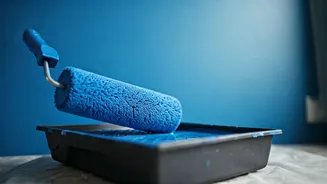
The quality and appropriate selection of your painting tools play an equally crucial role in achieving a professional outcome. Using subpar brushes can leave unsightly streaks, while an ill-suited roller nap might result in an uneven texture or patchy coverage. If you opt for spraying, selecting the correct spray tip is essential to avoid excessive overspray and ensure consistent, thin coverage. Beyond just having the right equipment, understanding how to use these tools effectively for even application is vital. Overloading your brush or roller with too much paint is a common pitfall that leads to drips and unwanted splatters on surrounding areas. Investing in good quality tools and taking the time to learn proper application techniques will undoubtedly lead to a more satisfying and polished final result.