
Initial Design Choices
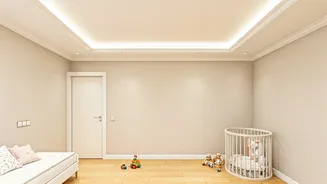
The initial design of your child's bedroom false ceiling plays a crucial role in its maintenance. Choosing the right materials and design elements can
significantly impact how easy the ceiling is to clean and maintain. Consider factors like the material's durability, its resistance to moisture and potential stains, and the overall complexity of the design. Simpler designs often mean fewer nooks and crannies where dust can accumulate, making cleaning easier. Furthermore, opt for materials that are easy to wipe down and clean. Designs that incorporate smooth, flat surfaces are generally easier to maintain than those with intricate patterns or textures. Think about the long-term practicality of your choices – a ceiling that's easy to clean from the start will save time and effort in the long run.
Dusting Regularly Matters
Dusting is a fundamental part of maintaining any false ceiling in a child's bedroom. Dust accumulation can make the room look dull and can also affect air quality. Regular dusting, ideally once a week or every two weeks, prevents dust from building up and becoming difficult to remove. Use a soft-bristled brush or a microfiber cloth to gently wipe down the ceiling. For ceilings with intricate designs or patterns, a brush attachment on a vacuum cleaner can be helpful. Avoid using excessive force, which could damage the ceiling material. If you have high ceilings, consider using an extendable duster to reach all areas easily. Consistent dusting not only keeps the ceiling looking clean but also minimizes the risk of allergies and respiratory issues, contributing to a healthier environment for your child.
Cleaning Stains and Marks
Children's bedrooms often encounter spills, marks, and other forms of discoloration. Knowing how to clean these stains effectively is crucial for maintaining a pristine false ceiling. The method you use will depend on the ceiling material. For most materials like POP or gypsum, a mild soap solution and a damp cloth should suffice. Test the solution in an inconspicuous area first to ensure it doesn't damage the ceiling. Gently wipe the stained area, avoiding excessive scrubbing that could remove paint or damage the surface. For tougher stains, a diluted solution of water and vinegar might work, but again, test in an inconspicuous area. Avoid harsh chemicals or abrasive cleaners, as these can damage the ceiling material. Regular spot-cleaning prevents stains from setting in and makes the cleaning process easier over time.
Ventilation is Key
Proper ventilation is often overlooked but plays a significant role in maintaining a child's bedroom false ceiling. Good ventilation helps to prevent moisture buildup, which can lead to mold and mildew growth. Ensure that the room is well-ventilated, especially after activities that generate moisture, such as bathing or using a humidifier. Open windows regularly to allow fresh air to circulate. If the room has an exhaust fan, ensure it is functioning correctly and is used when needed. Proper ventilation also helps to remove odors and maintain a fresh atmosphere. Consider using a dehumidifier in areas with high humidity to further reduce the risk of moisture-related problems. By ensuring good airflow and ventilation, you can prolong the life and appearance of your false ceiling and create a healthier environment for your child.
Addressing Water Damage
Water damage is a serious threat to false ceilings. Addressing water leaks and damage promptly is essential. Regularly inspect the ceiling for any signs of water damage, such as stains, discoloration, or sagging. If you notice a leak, immediately identify and repair the source. Water can seep into the ceiling material, causing it to deteriorate, leading to mold growth and structural problems. If water damage is evident, contact a professional to assess the extent of the damage and carry out repairs. Do not attempt to repair significant water damage yourself, as this can worsen the problem. Proper maintenance includes checking for any plumbing leaks above the ceiling and ensuring that the roof is properly sealed to prevent water ingress. Acting quickly in response to water damage can save you from extensive repairs and preserve the lifespan of your false ceiling.
Lighting and Heat Impact
The type of lighting and the sources of heat in a child's bedroom can also affect the false ceiling. Excessive heat from light fixtures or other sources can cause the ceiling material to warp or discolor over time. When installing light fixtures, ensure they are placed at a safe distance from the ceiling and are properly ventilated. Consider using LED lighting, which produces less heat than traditional incandescent bulbs. Also, make sure that any heat-producing appliances are kept away from the ceiling to avoid potential damage. Periodic inspection of light fixtures and wiring is important to ensure that there are no fire hazards. The use of appropriate lighting and careful management of heat sources can help in maintaining the aesthetics and structural integrity of the false ceiling.
Preventative Measures
Taking preventative measures can significantly reduce the effort required to maintain a child's bedroom false ceiling. For instance, consider using ceiling sealant during installation to protect against moisture and stains. If the ceiling is painted, select a washable paint that makes cleaning easier. Use air purifiers to remove dust and other airborne particles, thus reducing the need for frequent cleaning. Teach children not to throw objects at the ceiling or swing from light fixtures, which can cause damage. Regularly inspect the ceiling for any issues that could develop into major problems. These proactive steps can help maintain the ceiling's condition and reduce long-term maintenance needs. Combining these measures with regular cleaning and proper ventilation can ensure your child's bedroom ceiling remains in excellent condition.