




Knife Skills Fundamentals
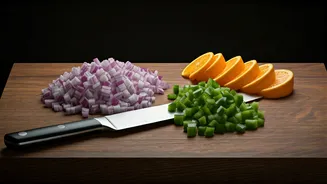
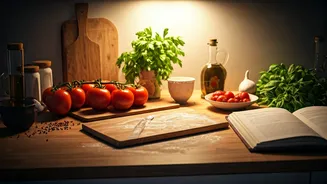
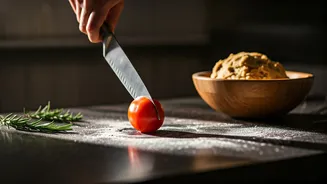
Honing your knife skills is the first step to culinary confidence and efficiency in the kitchen. Mastering basic cuts like dicing, mincing, and julienning
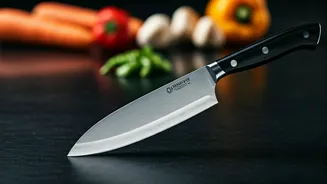
not only makes food preparation quicker but also ensures ingredients cook evenly, leading to more consistent results. Proper technique minimizes waste and reduces the risk of injury. Learning to hold your knife correctly, using a stable cutting board, and understanding the purpose of different blades are crucial. For instance, a chef's knife is your all-purpose workhorse, while a paring knife is ideal for intricate tasks. Practicing these fundamental skills will transform your chopping from a chore into a smooth, rhythmic part of the cooking process, preparing you for any recipe.
Core Cooking Techniques
Understanding core cooking techniques is vital for transforming raw ingredients into delectable dishes. Methods like sautéing, roasting, simmering, and braising each impart unique flavors and textures. Sautéing, for example, involves cooking food quickly in a small amount of hot fat, perfect for vegetables and lean meats, developing a lovely caramelized crust. Roasting utilizes dry heat in an oven, ideal for achieving tender interiors and crispy exteriors on poultry, meats, and root vegetables. Simmering involves gently cooking food in liquid just below the boiling point, a technique perfect for soups, stews, and tenderizing tougher cuts of meat. Braising takes this a step further, searing food first and then cooking it slowly in a covered pot with liquid, resulting in exceptionally tender and flavorful dishes. Mastering these diverse methods will broaden your culinary repertoire significantly.
Baking Essentials and Tips
Baking requires precision and understanding, but with a few key tips, you can achieve delightful results. For instance, using room temperature ingredients like butter and eggs can significantly improve the texture and consistency of batters and doughs, ensuring they emulsify properly. Measuring ingredients accurately, especially flour, is paramount; using a scale is often more reliable than volume measurements. Understanding the role of leavening agents like baking soda and baking powder is also crucial for achieving the desired rise and crumb. Techniques such as creaming butter and sugar until light and fluffy, or gently folding in dry ingredients to avoid overmixing, contribute to a tender final product. Knowing how to properly preheat your oven and when to use parchment paper can prevent common baking pitfalls like sticking or uneven browning.
Ingredient Mastery & Safety
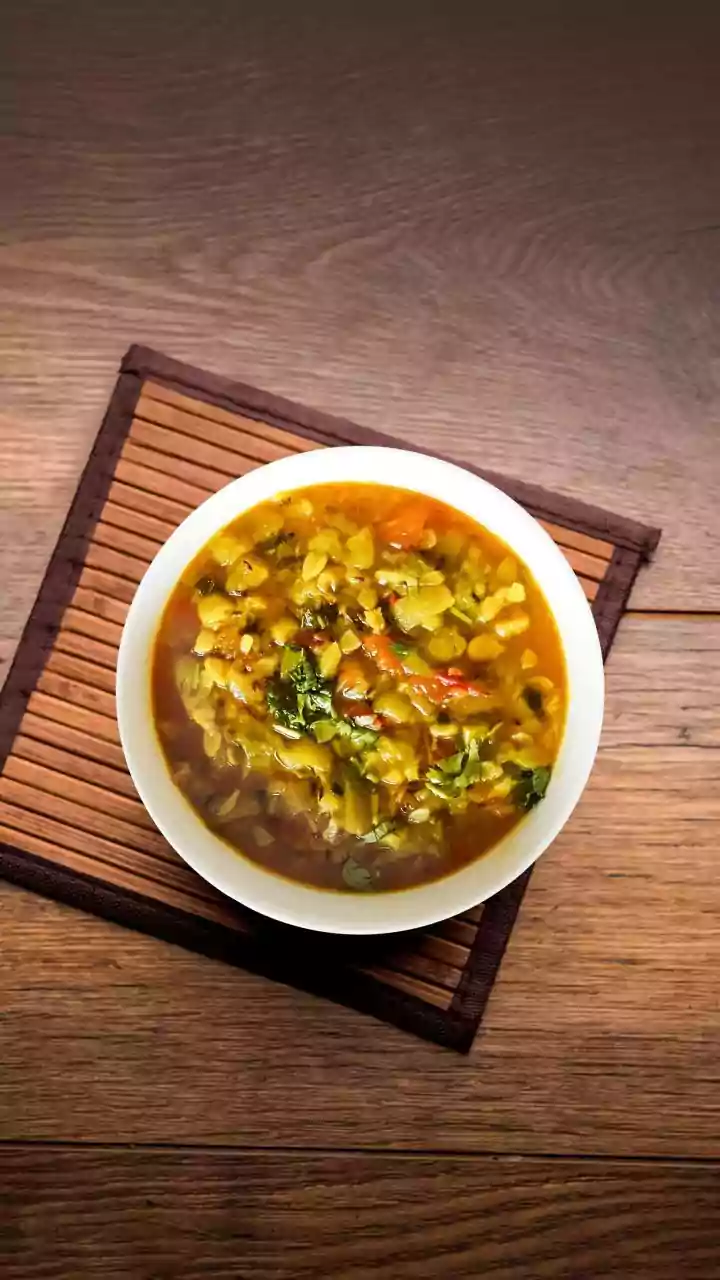
A deeper understanding of ingredients and food safety enhances both the flavor and healthfulness of your cooking. For example, knowing how to properly wash greens ensures they are free of dirt and potential contaminants. Understanding ingredient substitutions, like using agave nectar for sugar, can be helpful for dietary needs or pantry limitations, though it may alter the final flavor profile. Safely using eggs beyond their 'best by' date, often by checking for freshness through smell and appearance, is a practical skill. Furthermore, recognizing the difference between soup and stew, or understanding what canned tomatoes offer, allows for more informed recipe choices. Adhering to food safety guidelines, such as proper storage and handling, is non-negotiable for creating wholesome meals.