


Maintenance & Upkeep
Artificial turf presents a compelling case for low-maintenance living, significantly reducing the time and effort typically devoted to lawn care. Unlike
natural grass, which demands regular mowing, watering, and vigilant pest and weed control, synthetic lawns require far less attention. While brushing and occasional washing are necessary to keep artificial turf looking its best, these tasks are minimal when contrasted with the constant upkeep of a natural lawn. Furthermore, artificial turf boasts superior resilience to heavy foot traffic, maintaining its appearance throughout the year without developing bare patches, a common issue with natural grass, especially after periods of neglect or heavy use. This makes it an attractive option for busy homeowners or those seeking to minimize their ongoing yard work.
Cost Considerations
The initial investment for artificial turf is generally higher than for natural grass. However, a comprehensive long-term cost analysis reveals that the difference may not be as significant as it first appears. When calculating the expenses associated with maintaining a natural lawn, one must account for a range of supplies and resources. These include the recurring costs of water, the purchase and upkeep of lawn mowers and their fuel or power sources, fertilizers, spreaders, and various chemical treatments for weed and pest control. Artificial turf eliminates these ongoing expenditures. While synthetic turf is durable, it doesn't last indefinitely and will eventually require replacement, a cost that should be factored into the overall comparison with the lifespan of a natural grass lawn.
Environmental Impact
From an environmental standpoint, natural turfgrass offers benefits that artificial alternatives cannot replicate. A well-maintained lawn with strong root systems effectively absorbs water, contributing to drought mitigation. Moreover, like all plants, grass plays a role in removing carbon dioxide from the atmosphere. However, the environmental picture isn't entirely one-sided. Runoff from natural lawns, often laden with herbicides and fertilizers, can pollute water sources. Conversely, the absence of watering for artificial turf means this specific type of pollution is avoided. Despite this, the ecological footprint of manufacturing and eventually disposing of artificial turf remains a significant consideration.
Site Suitability
The suitability of natural grass is heavily influenced by environmental conditions, posing challenges that artificial turf bypasses. While some grass varieties tolerate partial shade, no lawn thrives in deep shade, whereas artificial turf is unaffected by sunlight exposure. Similarly, areas with poor drainage present a significant hurdle for natural grass growth. Improving drainage can be a time-consuming, energy-intensive, and costly endeavor. Artificial turf, on the other hand, can be installed in virtually any location, regardless of shade or drainage issues, offering a consistent green appearance without the need for extensive site preparation to support plant life.
Lifestyle & Comfort
Beyond practicalities, the choice between artificial turf and real grass impacts quality of life and user experience. Artificial turf is hypoallergenic, which is a benefit for some. However, its inherent artificiality can be unappealing, despite its neat appearance. Safety and comfort are also key considerations. Synthetic surfaces can become slippery when wet, and they tend to retain heat, running significantly hotter than natural grass, which provides a softer landing for recreational activities and sports, thereby reducing injury risks. The sensory experience of real grass, its smell and feel, also contributes to a natural ambiance that artificial turf cannot replicate.
Year-Round Appearance
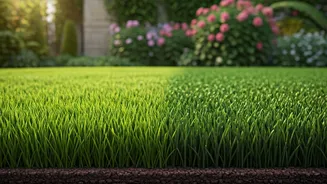
One undeniable advantage of artificial turf is its consistent appearance throughout the year. It remains perpetually green and tidy, unaffected by seasonal changes or brief absences like vacations. In contrast, natural grass lawns can develop bare spots or succumb to weeds while homeowners are away. Ultimately, the decision hinges on individual circumstances and priorities. Artificial turf is an excellent solution for those who lack the time or inclination for lawn maintenance, such as owners of remote rental properties or frequent travelers. For most other situations, natural grass is the more practical and sensible choice, particularly for individuals who do not require a flawless lawn and are comfortable with minor imperfections, which can lead to significant cost savings.