






Understanding the 'Ick'
The 'ick' factor describes those peculiar, often sudden feelings of repulsion towards someone you were once attracted to, triggered by something minor
and sometimes irrational. It's not a reflection of core values or dealbreakers, but rather a spontaneous evaporation of attraction. Examples range from a person's peculiar eating habits, like chewing loudly, to their unique texting styles or even an unironic use of certain words. This phenomenon has become a significant talking point in dating culture, particularly among younger generations who often share these 'icks' on social media platforms like TikTok and Instagram. The trend highlights a shift in how individuals approach potential partners, with an increased emphasis on micro-perfections and a quicker dismissal of perceived flaws. Understanding the 'ick' involves recognizing it as a distinct concept from genuine red flags related to disrespect or emotional immaturity, differentiating it from habits, quirks, or stylistic choices that don't fundamentally impact compatibility.
Roots of the 'Ick' Culture
Several contemporary factors contribute to the rise of the 'ick' phenomenon. The pervasive influence of dating apps has fostered a culture of hyper-selection, where a vast pool of potential partners encourages constant comparison and a heightened critical stance towards minor imperfections. Social media further exacerbates this by presenting curated, often idealized portrayals of relationships, setting unrealistic expectations for real-life connections. This can make individuals less tolerant of the inherent quirks and flaws that are natural in any human interaction. Additionally, the 'ick' can sometimes stem from deeper personal histories; a seemingly trivial detail might unconsciously trigger negative past experiences, leading to an immediate, visceral rejection. Experts suggest this trend reflects a societal tendency to overemphasize superficial traits, amplified by online narratives that normalize quick dismissals, potentially hindering the development of patience, empathy, and genuine connection.
Dating App Dynamics
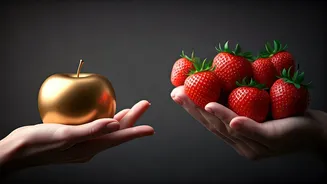
The prevalence of dating applications has undeniably reshaped the landscape of modern romance, playing a significant role in the amplification of the 'ick' factor. These platforms present users with an abundance of choices, fostering an environment where individuals can continuously 'swipe' through potential partners. This constant exposure to a vast array of options can lead to a mindset of hyper-selection, where tolerance for minor imperfections diminishes significantly. Users may feel an implicit pressure to find the 'perfect' match among the countless profiles available, making them more prone to dismissing someone over trivial issues. This 'abundance mentality' can train individuals to believe that a superior option is always just one swipe away, thereby lowering their standards for what constitutes a dealbreaker and making them more critical of superficial traits rather than investing time in understanding deeper compatibility.
Social Media's Influence
Social media platforms have become powerful architects of our perceptions regarding relationships, significantly contributing to the 'ick' phenomenon. The meticulously crafted online personas and romanticized narratives of love shared on these platforms often set a benchmark for what individuals deem desirable in a partner and a relationship. This can lead to the formation of unrealistic expectations, making it challenging for people to accept the inherent imperfections and unique quirks that are integral to genuine human connections. When real-life interactions don't mirror the idealized versions seen online, individuals may become more critical and quicker to identify 'icks' as reasons to disengage. The constant barrage of 'perfect' couples and idealized romantic scenarios can create a subconscious standard that real people struggle to meet, fostering a culture where superficial appeal is prioritized over deeper compatibility and emotional substance.
The 'Ick' vs. Red Flags
It's crucial to differentiate between an 'ick' and genuine red flags in dating. While an 'ick' is a minor, often arbitrary turn-off, red flags signal fundamental issues like disrespect, emotional immaturity, or manipulative behavior. For instance, a partner speaking negatively about all their exes, as cited by Auhona Roy Chowdhury, or displaying misogynistic humor, as mentioned by Savita Tripathy, are indicative of deeper character flaws that warrant serious attention. Similarly, political unawareness, a concern for Rhythm Sharma, or pronounced selfishness, a point for Rickin Sanklecha, can point to significant compatibility challenges or value misalignments. These are not mere quirks; they are indicators that a relationship may be unhealthy or unsustainable. The 'ick' factor, conversely, often pertains to stylistic choices, habits, or harmless eccentricities that do not impact core values or respectful conduct. Learning to distinguish between the two is vital for making sound decisions in romantic pursuits.
Navigating Personal Biases
The 'ick' factor often serves as a catalyst for introspection regarding our own biases and expectations in relationships. When a seemingly minor detail triggers an intense negative reaction, it prompts a closer examination of why that particular element is off-putting. This self-reflection can reveal underlying insecurities or past negative experiences that have shaped our preferences and aversions. For example, a person might find a specific mannerism irritating because it unconsciously reminds them of a difficult past relationship. Recognizing these connections allows individuals to question whether their reactions are truly about the present person or a subconscious projection of past issues. This awareness is crucial for developing a more balanced and objective approach to dating, encouraging a willingness to look beyond superficial dislikes and address potential personal barriers to forming genuine connections.
Moving Beyond Superficiality
Successfully navigating the complexities of modern dating requires striking a balance between self-awareness and an openness to overlook superficial dislikes. It involves acknowledging that no individual is flawless and that true connection often hinges on the ability to look past minor imperfections. Rather than fixating on small habits or stylistic choices, prioritizing shared values, mutual respect, and emotional compatibility is key to fostering lasting relationships. As relationship coach Sumir Nagar suggests, if an 'ick' doesn't reflect disrespect or immaturity, it might be beneficial to 'grow up a little' and consider the broader context of the person. Building attraction and enduring connection often stems from understanding, shared experiences, and a tolerance for human idiosyncrasies, rather than an exhaustive checklist of superficial perfections.