





The Spot Reduction Fallacy
The idea that you can target fat loss in a specific area, like your face, is a persistent myth. When your body burns fat for energy, it draws from your entire
fat reserve rather than a localized area. Therefore, to reduce facial fat, you must focus on lowering your overall body fat percentage. This means a holistic approach to diet and exercise is paramount, as simply performing facial exercises won't directly eliminate the fat layer sitting on top of your facial muscles. The body's fat distribution and reduction are systemic processes governed by genetics and overall energy balance, not by isolated exercises or treatments aimed at a single body part. Scientific consensus consistently points to a reduction in total body fat as the only effective method for slimming the face.
Face Yoga: Muscle Tone, Not Fat Loss
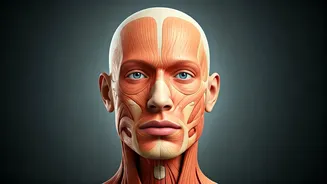
While intense facial exercises and 'face yoga' routines might appear to promise immediate results, their actual impact on fat reduction is minimal. Research suggests that these practices can lead to muscle toning and increased structural support in the face, potentially making the skin appear more lifted or firm, especially as we age. However, it's crucial to understand that building facial muscles does not melt away the overlying layer of fat. Think of it like doing bicep curls; it strengthens the muscle, but doesn't eliminate the fat surrounding it. The visual improvements seen in studies are primarily due to enhanced muscle definition and skin elasticity, not fat vaporization. Therefore, relying solely on facial exercises for fat loss is misguided.
Real Results: Diet and Exercise
Achieving a slimmer face fundamentally relies on adopting a comprehensive lifestyle strategy that combines dietary adjustments and consistent physical activity. The cornerstone of fat loss is creating a caloric deficit, meaning you consistently consume fewer calories than your body expends. This doesn't necessitate drastic starvation diets; rather, it involves prioritizing nutrient-dense whole foods like lean proteins, vegetables, and complex carbohydrates while minimizing processed foods and added sugars. Complementing this healthy eating pattern with regular cardiovascular exercise is vital. Activities such as running, swimming, or cycling significantly increase your total calorie expenditure. For those with time constraints, High-Intensity Interval Training (HIIT) offers an efficient way to burn calories and fat in shorter durations through bursts of intense effort followed by brief recovery periods. This dual approach targets overall body fat, which will naturally lead to a reduction in facial fat.
Hydration and Lifestyle Factors
Often, what appears to be stubborn facial fat is actually a result of temporary water retention. Our faces are particularly susceptible to puffiness due to factors like diet and hydration levels. Consuming excessive salt, especially from processed foods and takeout meals, can cause the body to retain water, leading to a swollen appearance in the cheeks and under the eyes. Counterintuitively, drinking more water can help mitigate this by signaling to your body that it doesn't need to hoard fluids. Additionally, alcohol consumption can exacerbate puffiness as it's both inflammatory and dehydrating. Poor sleep is another significant contributor; insufficient rest elevates cortisol levels, a stress hormone that can negatively impact metabolism and increase fluid retention. Therefore, managing these lifestyle elements—staying hydrated, moderating alcohol intake, and prioritizing adequate sleep—plays a crucial role in reducing facial puffiness.