






Jordaan's Artistic Charm
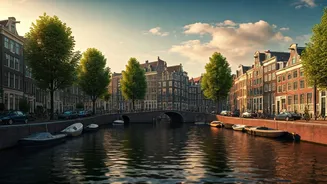
Once a working-class area, the Jordaan has blossomed into a highly sought-after district, renowned for its narrow, winding streets, serene canals, and
charming houseboats. Wandering through this area offers a delightful experience, uncovering a plethora of independent boutiques, intimate 'brown' cafes perfect for a quiet drink, and significant cultural landmarks such as the Anne Frank House. It's a neighborhood where history meets contemporary appeal, providing a picturesque backdrop for exploration and a glimpse into traditional Amsterdam life alongside its artistic flair.
De Pijp's Bohemian Pulse
Referred to as Amsterdam's 'Latin Quarter,' De Pijp pulses with a vibrant, bohemian energy that attracts a dynamic crowd. This neighborhood is particularly celebrated for its bustling Albert Cuyp Market, a sprawling street market offering a vast array of goods and local delicacies. Furthermore, De Pijp boasts an incredibly diverse culinary landscape, featuring an eclectic mix of restaurants, alongside trendy bars and cafes that contribute to its lively and buzzing atmosphere. It's an ideal locale for immersing oneself in authentic local life and soaking up a spirited, energetic ambiance that defines the area.
Centrum's Historic Core
The very heart of Amsterdam beats within its Centrum, or city center. This central district is defined by iconic landmarks such as Dam Square and the Royal Palace, and also encompasses the world-famous Red Light District. It serves as a major hub for activity, drawing in throngs of visitors eager to experience the city's most recognizable attractions. The area is characterized by its bustling shopping streets and a constant flow of people, making it a must-visit for anyone wanting to connect with Amsterdam's quintessential sights and historical foundations, despite its inherent busyness.
Oud-West's Evolving Landscape
Oud-West presents itself as a neighborhood of great diversity and ongoing development, skillfully blending residential tranquility with a burgeoning scene of independent shops and eateries. This area provides a wonderful opportunity to experience a more localized side of Amsterdam, characterized by a relaxed and welcoming atmosphere and a rich multicultural feel. Its evolving nature means there's always something new to discover, from quiet residential streets to vibrant pockets of community life, making it an engaging area for those seeking a less tourist-centric immersion into the city.
Westerpark's Creative Hub
Transformed from its industrial past, Westerpark has emerged as a significant cultural destination. The area is centered around a substantial park that serves as a communal gathering space, complemented by a dynamic creative complex. This complex houses a variety of venues dedicated to events, cinemas, a diverse range of restaurants, and comfortable cafes. Westerpark is a favored spot for locals seeking relaxation, social interaction, and engagement with cultural happenings, embodying a modern, community-focused spirit within a repurposed industrial setting.
Oost's Cultural Melting Pot
Amsterdam Oost is a vibrant mosaic of cultures, offering a rich and varied tapestry of experiences to its visitors and residents. Within this district, you can explore the beautiful Oosterpark, delve into the historical insights at the Tropenmuseum, and savor the diverse flavors of its evolving food scene. Oost is an area that is continuously transforming, providing an authentic and genuine perspective on the city's multifaceted multicultural identity and offering a dynamic urban environment.
Noord's Edgy Innovation
Situated across the IJ River, accessible via a brief, complimentary ferry trip from the city center, Amsterdam Noord is an increasingly captivating district. This area, formerly characterized by industrial shipyards, has become a hub for creative pursuits and forward-thinking innovation. It hosts notable attractions such as the distinctive EYE Film Museum and the A'DAM Lookout, offering a more contemporary and edgy feel when compared to Amsterdam's historic core. Noord presents a different, modern face of the city, marked by striking architecture and pioneering attractions.
Plantage's Tranquil Elegance
The Plantage neighborhood is distinguished by its verdant surroundings and elegant architecture, offering a more serene and refined urban experience. This district is a haven for those seeking peace and cultural enrichment, featuring the well-regarded Artis Zoo, the serene Botanical Gardens, and the historically significant Jewish Cultural Quarter. Its leafy streets and sophisticated ambiance provide a tranquil escape from the city's busier areas, making it an ideal choice for a relaxed exploration of Amsterdam's cultural institutions and natural beauty.
Grachtengordel's Iconic Beauty
While not a single contiguous neighborhood, the Grachtengordel, or Canal Belt, is an indispensable and iconic feature of Amsterdam, recognized as a UNESCO World Heritage site. This area is characterized by its stunning network of canals, including the Prinsengracht, Keizersgracht, and Herengracht, lined with magnificent 17th-century canal houses and picturesque bridges. Exploring these waterways offers the quintessential Amsterdam experience, embodying the city's historic charm and architectural splendor, and is central to understanding its visual identity.
Oud-Zuid's Cultural Grandeur
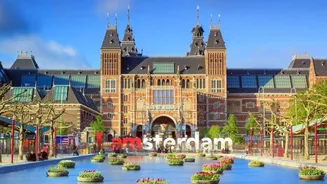
Oud-Zuid, or Old South, stands as an affluent district celebrated for housing some of Amsterdam's most prestigious cultural institutions. It is home to world-renowned museums such as the Rijksmuseum, the Van Gogh Museum, and the Stedelijk Museum, attracting art enthusiasts from across the globe. Beyond its cultural offerings, the neighborhood is characterized by its elegant tree-lined streets, sophisticated high-end shopping avenues, and the expansive, beloved Vondelpark, offering a blend of culture, luxury, and green relaxation.