





Evolving Dairy Consumption
In the bustling urban landscape of India, the traditional perception of dairy is undergoing a significant transformation. Consumers are no longer content
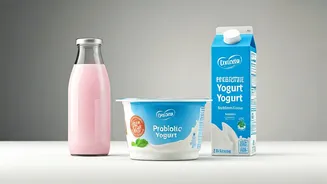
with just a simple glass of milk; their demands have evolved to encompass a broader spectrum of health benefits and lifestyle integration. This evolution is driven by a generation that views food not merely as sustenance but as a proactive tool for maintaining well-being and achieving personalised nutritional goals. The once-unquestioned staple is now being reimagined, leading to a surge in value-added dairy products such as flavoured milk, probiotic-rich curd, and lactose-free alternatives that cater to specific dietary needs and preferences. This emerging trend signifies a deliberate move towards incorporating dairy into daily routines in more functional and convenient ways, reflecting a deeper societal focus on preventive healthcare and an informed approach to nutrition that aligns with fast-paced urban living.
Functionality Meets Taste
The modern urban Indian consumer is on a quest for food that not only tastes good but also actively contributes to their health and wellness. This is precisely where value-added dairy products shine. Flavoured milk, for instance, has transcended its status as a simple treat, now being marketed as a ready-to-drink beverage that offers a convenient blend of enjoyment and nutritional value. For those keen on digestive health, probiotic curd presents a compelling choice, leveraging the power of beneficial bacteria to support gut flora. Furthermore, lactose-free dairy options are breaking down barriers, enabling individuals with lactose intolerance to continue reaping the well-documented benefits of dairy, such as calcium and protein intake, without the adverse effects. These innovations are not just about novelty; they represent a strategic effort to make dairy's inherent goodness more accessible and appealing to a younger, health-conscious demographic seeking wellness solutions that fit seamlessly into their busy schedules, thus redefining the dairy category.
Health Professionals' Insights
The shift towards functional foods, including enhanced dairy products, is being observed not only in consumer choices but also within clinical settings. Healthcare professionals note a distinct increase among urban patients in their inclination towards consuming foods that offer specific health advantages. Probiotic curd, for example, is recognized for its ability to positively influence the gut microbiome, a crucial aspect of overall health. Similarly, lactose-free dairy solutions are empowering individuals who previously had to forgo dairy due to intolerance, allowing them to still benefit from essential nutrients like calcium and protein. However, this growing trend underscores the importance of informed consumption. Dietitians advise consumers to carefully examine product labels, paying close attention to sugar content and looking for products that contain live cultures and minimal artificial additives. This vigilance is essential to ensure that the perceived health benefits are not undermined by hidden sugars or unnecessary ingredients often found in processed variants.
Dairy's Future Potential
The burgeoning popularity of value-added dairy presents a significant avenue for the industry to reinforce its relevance and expand its role within contemporary dietary patterns. By adeptly aligning with the evolving expectations and preferences of urban consumers, the dairy sector can cultivate a stronger perception of its offerings. This strategic repositioning allows dairy to transcend its traditional image and establish itself as a dynamic source of modern nutrition. While the formats and flavour profiles of dairy products may continue to evolve, the fundamental nutritional essence of milk remains constant. The key differentiator today lies in how the industry is innovating to meet the demands of consumers who are increasingly seeking more from every food and beverage choice, thereby ensuring dairy's continued prominence in a competitive marketplace.