





Subtle Symptoms Ignored
Waking up with a pounding headache or feeling utterly drained by mid-afternoon, even after a good night's sleep, are often attributed to the pressures
of modern life and work-related stress. We tend to rationalize these physical sensations as normal byproducts of a demanding lifestyle, reaching for solutions like better sleep or more meditation, rather than considering a visit to the doctor. However, these familiar feelings—the tension headache, the persistent fatigue, the unnerving heart palpitations—might not stem from anxiety or stress at all. Instead, they could be the body’s subtle, yet urgent, signals that blood pressure has reached dangerously high levels. For weeks, or even months, individuals may be misinterpreting these vital messages, leading to a delay in diagnosing and managing a potentially life-threatening condition. This tendency to normalize symptoms is a significant hurdle in identifying hypertension, often dubbed the 'silent killer' precisely because its early stages can be so easily dismissed.
The Diagnostic Misdirection
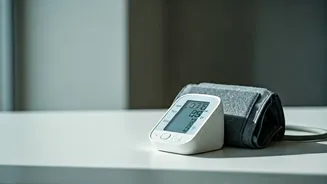
Experts, like Dr. Mahesh Kumar, a leading Internal Medicine consultant, frequently observe patients, particularly those in high-stakes careers, misinterpreting physical discomforts as mere side effects of a demanding schedule. They might complain of persistent headaches, overwhelming fatigue, or a feeling of being lightheaded, readily attributing these to a particularly stressful week or simply 'feeling the pressure.' This diagnostic gap is critical. Dr. Kumar's approach often involves allowing a short period, perhaps 10 days, for home monitoring of blood pressure alongside attempts at stress reduction. This method helps differentiate between 'White Coat Hypertension' – temporary pressure spikes caused by the anxiety of a doctor's visit – and essential hypertension, which is consistently elevated. The true turning point arrives when blood pressure readings remain stubbornly above 140/90 mmHg, even after these lifestyle adjustments, firmly shifting the diagnosis from reactive stress to a more serious, underlying condition. Crucially, involving the patient in tracking their own readings during this monitoring phase can foster greater acceptance and adherence to necessary treatments, like medication, when it's time to start.
Modern Life's Toll
There's a pervasive tendency to accept constant fatigue, frequent headaches, sleep disturbances, and mild irritability as standard features of contemporary living, often overlooking them as normal consequences of a busy existence. When symptoms persist and don't respond to conventional stress-relief measures, especially in individuals who previously enjoyed good health, it warrants deeper investigation. Hypertension, being a silent disease, often presents with minimal early indicators. These can include morning headaches attributed to insufficient sleep, unexplained daytime fatigue during work, or a general feeling of being unwell. The issue is compounded when these subtle signs are continually misconstrued as stress or the effects of excessive screen time, thereby prolonging the delay in identifying the actual problem and increasing the risks associated with untreated high blood pressure.
Lifestyle Factors' Role
Lifestyle habits significantly influence blood pressure levels and can obscure or exacerbate the subtle symptoms of hypertension. For instance, late nights disrupt natural sleep patterns, negatively impacting blood pressure regulation. Caffeine intake can temporarily elevate blood pressure and mask feelings of fatigue, enabling longer working hours but potentially leading to long-term health issues. Excessive screen time contributes to poorer sleep quality and elevated stress hormones, both of which can drive up blood pressure over time. This interplay of lifestyle choices not only worsens high blood pressure but also creates ambiguity, making it difficult to distinguish between normal tiredness and the warning signs of a serious medical condition.
The Danger of Quick Fixes
A concerning trend involves individuals attempting to manage these symptoms with readily available solutions like supplements, herbal teas, adaptogens, or over-the-counter remedies, aiming for increased energy or stress reduction. While these might offer temporary symptomatic relief and contribute to general well-being, they are not substitutes for a proper medical diagnosis. The real danger lies in the false sense of security these remedies provide; while one might feel a bit better temporarily, their blood pressure can continue to rise unnoticed in the background. High blood pressure is easily detectable through a simple, quick test, yet many people forgo this crucial step, opting instead for self-treatment that fails to address the underlying issue.
When to Seek Help
If you're in your 20s or 30s and experiencing a general feeling of being 'off' without a clear, severe illness, it's important to know when to stop self-diagnosing and consult a healthcare professional. The threshold for seeking medical evaluation should be crossed if symptoms have persisted for two weeks or more without any improvement. Additionally, immediate consultation is advised if you experience any of the following indicators: frequent headaches, particularly upon waking; persistent fatigue that is not alleviated by adequate sleep; noticeable palpitations or a sense of restlessness; increased irritability or difficulty concentrating; or if there is a known family history of hypertension or heart disease, as these factors can increase your personal risk.