






Date Delights Galore
As Ramadan commences, fruit markets nationwide, particularly in Kannur, experience a significant surge in activity, with dates emerging as the undisputed
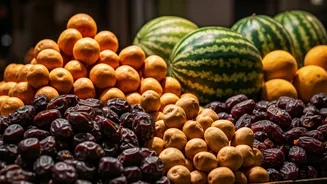
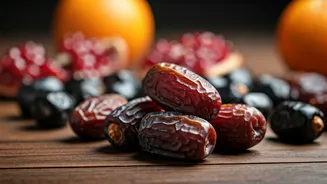
star. Consumers are presented with an expansive selection, featuring both imported and locally sourced options that cater to a wide spectrum of preferences and budgets. The market is brimming with varieties that range from the highly prized Medjool, often referred to as the 'king of dates,' to the more accessible Karakka. These sweet delights hail from numerous countries, filling shop displays and attracting a steady stream of shoppers. Imported dates are commanding prices anywhere from ₹150 to an impressive ₹1,100 per kilogram, underscoring the premium status many of these fruits hold during the fasting period. This extensive variety ensures that every shopper can find a date to suit their taste and financial plan, contributing to the festive atmosphere of the season.
Premium Pricing Explained
Among the vast array of dates available, the Medjool variety stands out as the most exclusive and consequently, the most expensive. These particularly large and succulent dates are primarily imported from Jordan, fetching a steep price of ₹1,100 per kilogram. While Jordan is a major source, Medjool dates also find their way to the market from Pakistan and Israel, with slight variations in cost attributed to their size and overall quality. Another highly esteemed variety is Ajwa, which is particularly sought after for its purported medicinal properties, with prices starting at ₹600 per kilogram. For those who prefer a softer texture, the Mazafati dates, originating from Iran, are a popular choice. This diverse range of premium offerings highlights the market's ability to source and present exclusive fruits to meet specific consumer demands, especially during this significant religious period.
Affordable Options Abound
While premium dates capture attention, the market also offers a robust selection of more budget-friendly options, ensuring accessibility for all consumers. Saudi Arabian dates are proving to be particularly popular, primarily due to their excellent balance of high quality and affordability. Among these, the Safawi variety from Saudi Arabia has emerged as a leading favourite among shoppers, with its price point beginning at ₹350 per kilogram. The Karakka variety, a more traditional and widely available option, is priced competitively between ₹150 and ₹350 per kilogram. A local dry fruit trader noted a shift in consumer preference, observing that 'earlier, Karakka used to be more expensive. Now people prefer softer dates.' This indicates a dynamic market influenced by evolving tastes and the availability of diverse fruit options, with sales often doubling during Ramadan and bulk purchases common for charitable distributions.
Beyond Dates: Other Dry Fruits
The allure of the Ramadan fruit market extends beyond dates, encompassing a variety of other nutritious and sought-after dry fruits. Almonds, figs, and walnuts are also experiencing a significant upswing in demand as consumers stock up for the season and for charitable purposes. Among the nut varieties, the Mamra almond, imported from Tanzania, stands out as the most expensive, priced at a substantial ₹3,000 per kilogram. Figs are also a premium offering, with prices reaching up to ₹1,500 per kilogram. Encouragingly for consumers, traders have noted that compared to the previous Ramadan season, there hasn't been a pronounced increase in the prices of these dry fruits, maintaining a sense of stability and value for shoppers looking to purchase these healthy additions to their diet.
Watermelon Reigns Supreme
Despite the impressive display of exotic imported fruits, the humble watermelon continues to hold its ground as a fasting favourite, largely owing to its exceptional water content, which is crucial for hydration during prolonged periods of abstinence. This refreshing fruit is available at a very accessible price of ₹28 per kilogram, making it a staple in many households. Adding a touch of novelty to the market are Mandarin oranges, imported from China and Morocco. These small, seedless, and delightfully sweet oranges are priced at ₹200 per kilogram. Other varieties of oranges can be found in the ₹80 to ₹100 per kilogram range, while citrus oranges are available for ₹120 per kilogram. This diverse fruit selection caters to various preferences, ensuring that essential hydration and flavour are readily available.
Seasonal Fruits & Price Trends
The market is alive with a variety of other seasonal fruits, offering consumers a wide array of choices. Several types of apples are on offer, with prices ranging from ₹220 to ₹300 per kilogram, including Gala apples at ₹280 per kilogram. Sweet limes, primarily sourced from Maharashtra, are priced at ₹220 per kilogram, offering a tangy zest. Avocados from Tanzania are available for ₹600 per kilogram, providing a rich and creamy option. Adding to the seasonal bounty, strawberries have made their appearance, while cherries are available at a premium of ₹2,000 per kilogram. Traders observe that while fruit prices are marginally lower than the previous year, the usual brisk early Ramadan sales haven't quite reached their expected pace this season, suggesting a potentially more cautious consumer approach or a shift in purchasing patterns.