







Moon Landing Within Reach
NASA's Artemis 2 commander, Reid Wiseman, has expressed strong confidence in the agency's ability to land astronauts on the moon, stating it's not only
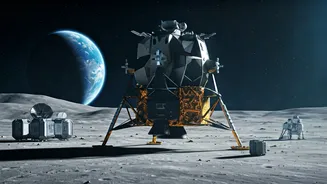
achievable but also imminent. This optimism stems from the recent successful completion of the Artemis 2 mission, which marked the first crewed voyage to lunar space since 1972. Wiseman, who commanded the mission, highlighted that the journey around the moon was less of a monumental leap than anticipated, suggesting that if a lunar lander had been integrated, some crew members would have been eager to attempt a landing. This sentiment underscores the crew's confidence in the program's readiness. The overarching goal of the Artemis program is to establish a sustained human presence on the moon, serving as a vital stepping stone for eventual crewed missions to Mars. This ambitious vision is fueled by the dedication and expertise of the NASA team, who are working tirelessly to make these historic endeavors a reality.
Artemis 2 Mission Insights
The Artemis 2 mission, a pivotal 10-day journey around the moon, served as a crucial testbed for the Orion spacecraft and its life support systems. The four-person crew, including NASA's Reid Wiseman, Victor Glover, Christina Koch, and the Canadian Space Agency's Jeremy Hansen, not only captivated global audiences with breathtaking images of the moon but also gathered invaluable data. Wiseman specifically noted how impressed he was with Orion's performance and its capacity to sustain the crew effectively throughout the mission. While minor adjustments, such as cabin temperature control, were identified and rectified during orbit, Wiseman emphasized that the spacecraft was remarkably robust. He stated that the Artemis 3 Orion could be ready for launch on the Space Launch System rocket with minimal delay, indicating a high level of confidence in the current readiness of the hardware and systems.
Path to Artemis 3
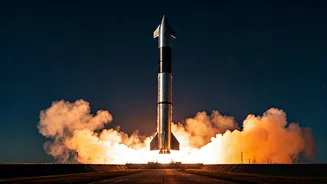
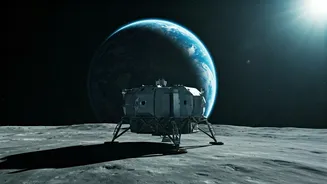
The Artemis program is meticulously progressing towards its next major milestone: Artemis 3, which aims to land astronauts on the lunar surface. Currently slated for a mid-2027 launch, Artemis 3 will involve another crew practicing rendezvous and docking maneuvers in Earth orbit with either SpaceX's or Blue Origin's contracted lunar landers. NASA has indicated flexibility in utilizing one or both of these landers once Artemis 3 is prepared for launch. Originally targeted for a 2028 landing, the mission's timeline has been adjusted, reflecting the ongoing refinements and learning processes within the program. The continuous practice and preparation, as emphasized by astronauts like Victor Glover, are essential for supporting longer-duration missions, such as the planned 30- and 45-day stays envisioned for Artemis 3 and subsequent missions.
Future Lunar and Mars Goals
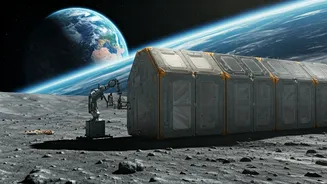
With Artemis 3 anticipated to successfully land astronauts, the program's ambitions extend further to Artemis 4, scheduled for a late 2028 landing near the lunar south pole. This progressive approach aims to establish a sustainable human presence on the moon, fostering a deep understanding of lunar environments and resources. The knowledge and experience gained from these lunar endeavors are strategically vital for the ultimate goal of sending humans to Mars. The Artemis program is designed not only to revisit the moon but to create a long-term framework for space exploration, demonstrating humanity's capability to live and work in extraterrestrial settings. This phased development ensures that each mission builds upon the successes of the last, progressively pushing the boundaries of human exploration.