






The Deceptive Case
A remarkable case study involving a 37-year-old man in Hyderabad highlights a critical misconception about heart health. This individual meticulously followed
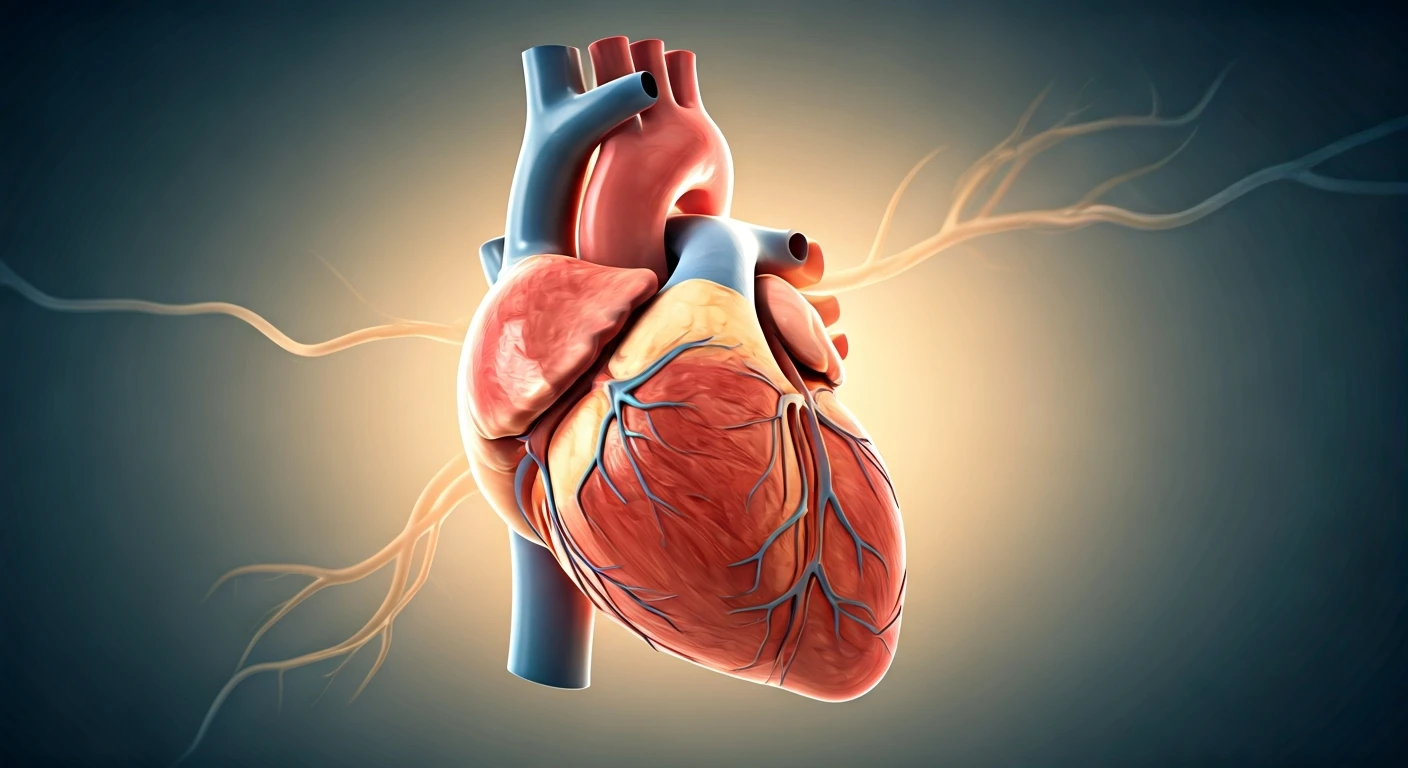
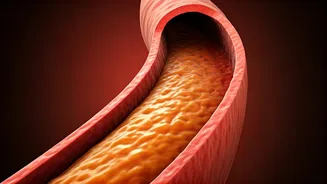
a regimen of daily 5km runs, abstained from junk food, maintained regular sleep patterns, and possessed no detrimental habits like smoking or excessive drinking. Despite this seemingly perfect lifestyle, he experienced severe chest discomfort and arm pain, necessitating the placement of two stents due to significant blockages discovered during an angiography. This situation underscores that adhering to conventional fitness advice might not be enough to safeguard against cardiovascular issues, prompting a deeper look into less obvious risk factors that can affect even the most health-conscious people.
Genetic Culprits Unveiled
Beyond visible lifestyle choices, genetic predispositions play a substantial role in heart health, often acting as a silent threat. A family history of heart problems in a father or uncle can elevate an individual's risk by two to three times, irrespective of their current fitness level, weight, or activity. Furthermore, a specific type of cholesterol known as Lipoprotein(a) or Lp(a) is a significant concern. This genetic factor can lead to artery congestion even when standard cholesterol levels, including LDL, appear within the normal range. Routine medical checks typically do not assess Lp(a) levels, making it a hidden danger for many.
Stress, Inflammation, and Sleep
The modern corporate lifestyle, characterized by chronic stress, poses a considerable threat to cardiovascular well-being. The physical exertion of running 5 km daily, while beneficial, does not negate the detrimental effects of sustained stress. Elevated stress hormones like adrenaline can increase blood pressure and trigger inflammation, contributing to the formation of microplaques within arteries. Similarly, underlying inflammation, often undetected in standard checkups, can accelerate arterial damage. Poor sleep quality, compounded by prolonged screen time before bed, further exacerbates metabolic strain, raising cortisol levels, thickening blood, and increasing the instability of existing plaques.
Beyond Basic Checkups
The notion that regular exercise and a clean diet are definitive shields against heart disease is a misleading belief. Cardiovascular health is a complex interplay of genetics, lifestyle, inflammation, stress, sleep patterns, and metabolic factors. To gain a more comprehensive understanding of one's risk, advanced testing is recommended for individuals above 25. These essential tests include Lipoprotein(a), HS-CRP (an inflammation marker), ApoB, HbA1c, fasting insulin, Vitamin D levels, and Homocysteine. For those experiencing symptoms, a TMT (treadmill test) is advised, while individuals over 35 should consider a coronary calcium score to detect early plaque buildup.