



Beyond the Base
Many culinary enthusiasts, particularly those new to South Indian cuisine, often group Pappu Charu and Sambar into a single category, believing they are
merely regional variations of the same lentil-based stew. This misconception, however, overlooks the distinct identities that both dishes possess, forged through differences in their core ingredients, preparation methods, and ultimately, their flavour profiles. While both originate from the humble lentil, the journey from pot to palate takes a divergent path, resulting in two unique experiences. Understanding these nuances is key to appreciating the richness and diversity found within South Indian cooking, revealing how subtle shifts can create entirely new culinary sensations that cater to different tastes and occasions.
A Tale of Two Textures
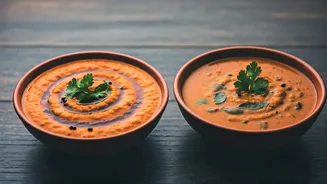
Sambar, a celebrated staple that graces tables across South India, particularly in Tamil Nadu and Karnataka, distinguishes itself with a richer, more complex flavour profile. This depth is largely attributed to the incorporation of a specialised spice blend, commonly known as Sambar powder. Unlike Pappu Charu, which maintains a lighter, broth-like consistency, Sambar boasts a thicker texture. This is often achieved through the inclusion of a variety of vegetables such as carrots, radish, pumpkin, and the unique flavour imparted by drumstick. The addition of tamarind provides a signature tanginess that complements the spice blend, creating a hearty and satisfying dish that is a far cry from the delicate simplicity of Pappu Charu. This textural difference significantly impacts how each dish is consumed and enjoyed.
Culinary Roles Defined
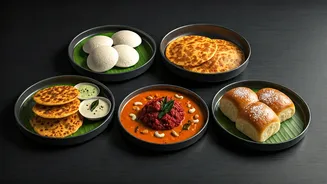
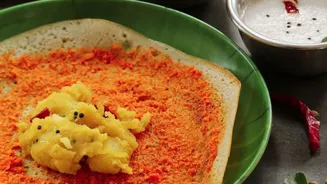
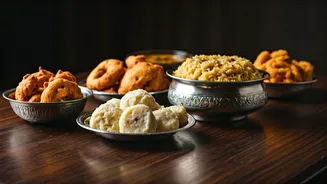
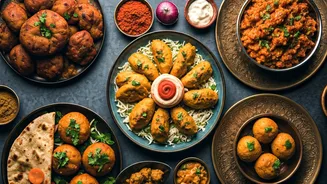
The distinct characteristics of Pappu Charu and Sambar also dictate their traditional roles in South Indian meals. Pappu Charu is primarily enjoyed as a comforting, home-style accompaniment to rice. Its light and digestible nature makes it an ideal everyday dish, providing a gentle warmth and flavour to a simple rice meal. Sambar, on the other hand, exhibits greater versatility and is a cornerstone of celebratory and restaurant dining. It pairs exceptionally well with a range of breakfast and tiffin items, including fluffy idlis, crispy dosas, and savoury vadas. This broader appeal and adaptability solidify Sambar's status as a more elaborate and widely consumed dish, whereas Pappu Charu remains cherished for its unpretentious, homely charm and comforting essence.