





Cost and Efficiency Concerns
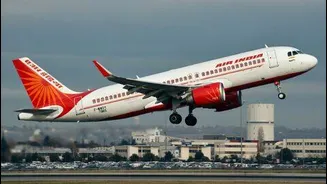
Air India has voiced strong reservations about transitioning part of its operations to the upcoming Navi Mumbai International Airport (NMIA). The airline's
primary apprehension revolves around the substantial additional costs and the potential for diminished operational efficiencies that such a move would entail. This stance comes at a time when the entire aviation industry is grappling with severe challenges, including heightened geopolitical instability and a dramatic surge in jet fuel prices, alongside various other operational constraints. Air India's submission to the Airports Economic Regulatory Authority of India (AERA) clearly indicates a disagreement with the anticipated strong demand for airlines to shift to NMIA, arguing that until the new airport can achieve economies of scale through sufficient passenger volume, splitting operations between the current Mumbai Airport (BOM) and NMIA will inevitably lead to increased expenses and a decline in overall efficiency. The airline's analysis suggests that the proposed aeronautical charges at NMIA are considerably higher than current rates, further exacerbating these cost concerns.
Connectivity and Tariff Disparities
A significant factor contributing to Air India's hesitation is the perceived inadequacy of connectivity to the new Navi Mumbai Airport, which directly impacts its ability to attract a substantial passenger base. The airline points out that without direct transit links, such as a metro connection, the majority of travelers within the Mumbai Metropolitan Region will continue to favor the established Mumbai International Airport. Simultaneously, the planned closure of Terminal 1, which currently handles only domestic flights, has been delayed and will now proceed in stages, adding further complexity to operational planning. Moreover, Air India highlights a stark disparity in landing charges between NMIA and other recently established airports. It notes that charges at the new Navi Mumbai facility could be as high as 84% higher for domestic flights and 113% higher for international flights when compared to the newly operational Noida International Airport. While the airline does support the concept of a variable tariff plan with incentives at NMIA, it advocates for strengthening this plan, suggesting the incentives be extended from two to three years and encompass domestic routes to encourage greater adoption.