



An Indian Blossom Secret
While Japan's cherry blossoms draw global attention each spring, India holds its own enchanting secret: the vibrant apricot blossoms of Ladakh. For a few
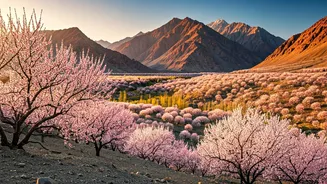
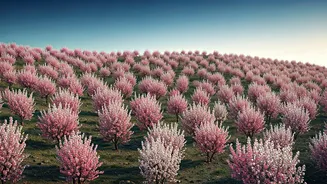
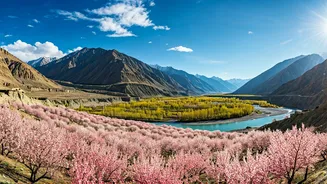
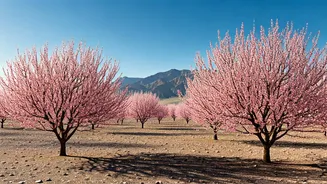
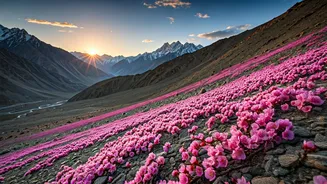
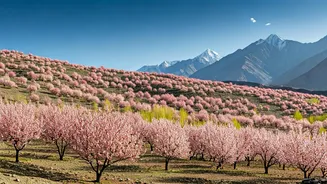
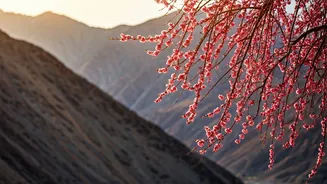
fleeting weeks, this high-altitude region transforms into a picturesque wonderland. Delicate pink and white petals adorn apricot trees, carpeting orchards, fields, and village pathways. These stunning floral displays create a breathtaking panorama, set against the dramatic backdrop of snow-capped Himalayan peaks and the exceptionally clear, azure skies characteristic of Ladakh. This natural spectacle offers a serene and less-trafficked alternative to more famous spring bloom destinations, inviting travelers to experience a truly unique corner of India awash in floral beauty.
When and Where to Witness
The magical window for Ladakh's apricot blossoms typically opens between late March and mid-April, though the exact timing is dictated by the prevailing weather conditions. This blooming period is famously brief, often lasting no more than two to three weeks, making the sight feel particularly precious and ephemeral. Key locations renowned for experiencing this floral spectacle include Leh, the scenic Nubra Valley, and the picturesque village of Turtuk, where numerous orchards come alive with color. Many visitors attest that the experience shares a serene and intimate charm with Japan's cherry blossom viewing, but with a distinct sense of tranquility and fewer crowds. Planning your visit during this narrow window requires attention to local forecasts, but the reward is an unforgettable immersion in natural beauty.
The Apricot Blossom Festival
To honor and celebrate the arrival of the apricot blossoms, Ladakh proudly hosts its annual Apricot Blossom Festival. This event, meticulously organized by the Ladakh Tourism Department, usually takes place in early April across various villages. It's a vibrant fusion of natural beauty and rich cultural immersion. Attendees are treated to captivating traditional Ladakhi music and dance performances, can browse and purchase exquisite local handicrafts, and, importantly, get to savor authentic regional dishes. The festival also provides an unparalleled opportunity to experience the genuine warmth of Ladakhi village life, as many local communities graciously open their homes and orchards to welcome visitors, offering a deeper connection to the land and its people.
Apricots: A Lifeline
Beyond their visual appeal during the blooming season, apricot trees hold significant cultural and economic importance for the people of Ladakh. These trees are more than just a source of ephemeral beauty; they are a vital part of the agricultural landscape and a cornerstone of livelihood for many local families. During the summer months, the trees yield abundant apricots, which are a primary income generator. These fruits are enjoyed fresh or meticulously dried to sustain communities through the harsh winter months. Furthermore, apricots are processed into delicious jams and juices, and the highly prized apricot oil, a traditional product deeply embedded in the region's culture and daily use, is derived from them. Thus, the apricot is intrinsically linked to the prosperity and heritage of Ladakh.
Planning Your Dream Visit
To witness the enchanting apricot blossoms in Ladakh, timing your visit for late March or early April is essential. Given the bloom's brevity and sensitivity to weather, it's advisable to consult the latest local tourism updates before embarking on your journey to ensure you catch the peak flowering. The most convenient way to access the region is by taking a flight to Kushok Bakula Rimpochee Airport, located in Leh. From Leh, you can easily arrange transportation to explore the surrounding villages and valleys that are dotted with apricot orchards in full bloom. For those seeking a tranquil and visually stunning spring travel experience, Ladakh's apricot blossom season offers an extraordinary combination of peaceful rural settings, vibrantly colored orchards, and majestic mountain vistas that promise postcard-perfect memories.