



Diabetes and Carbs
Diabetes management often revolves around understanding the impact of carbohydrates on blood sugar levels. Carbs are broken down into glucose, which the body
uses for energy. However, in diabetics, the body either doesn't produce enough insulin or can't effectively use the insulin it produces, leading to high blood sugar. This is why tracking carb intake is so crucial. Knowing how many carbs are in your meals helps you manage your blood sugar, take the right medication dosages, and maintain a healthy weight. It is not just about eliminating carbs entirely, but about making informed choices and controlling the amount you eat in each meal. Proper meal planning, carb counting, and understanding the glycemic index of various foods, including idli and dosa, are key strategies for diabetic patients to manage their blood sugar and live a healthy life.
Idli’s Nutritional Profile
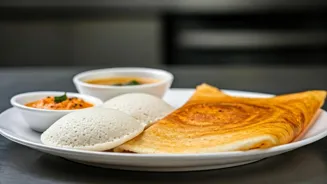
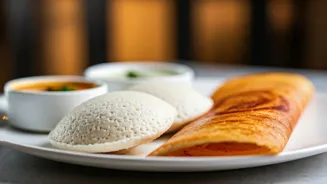
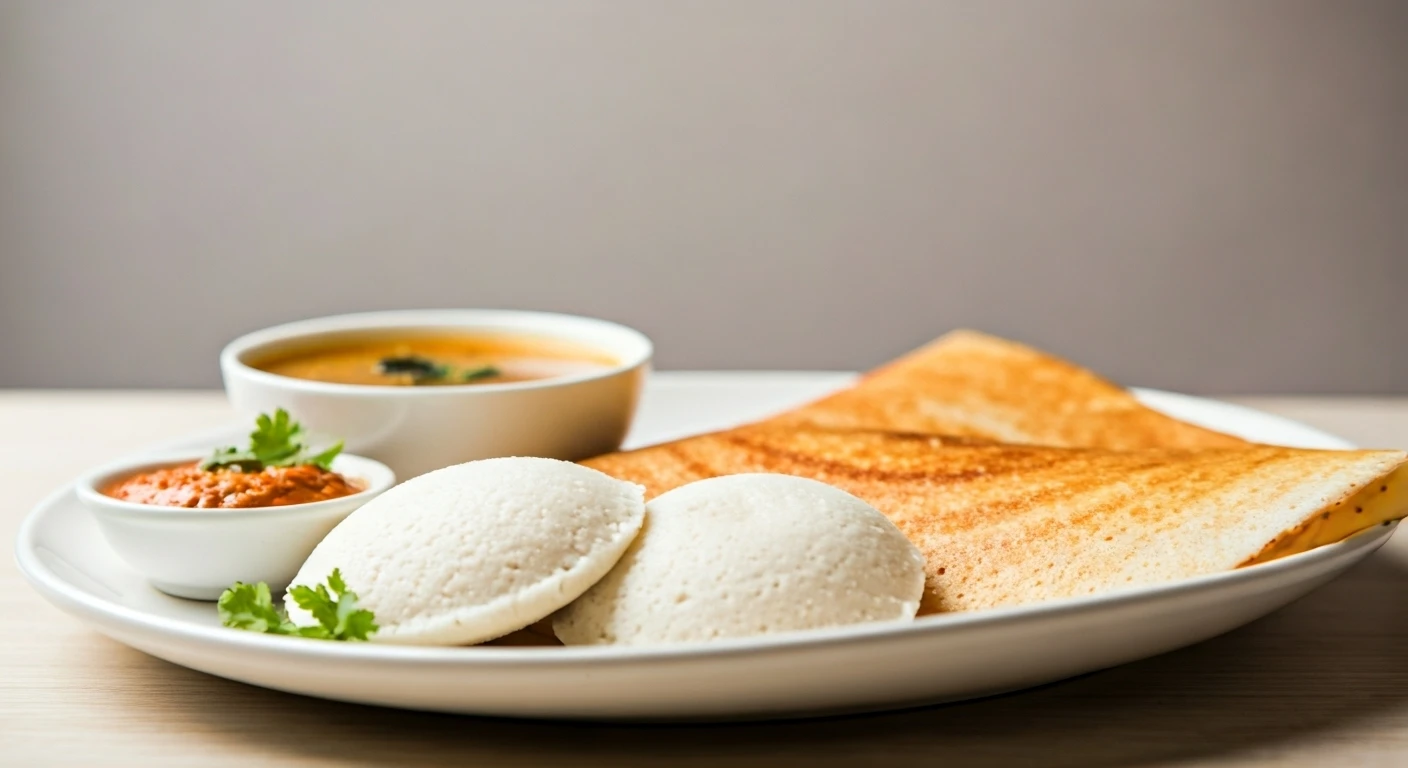
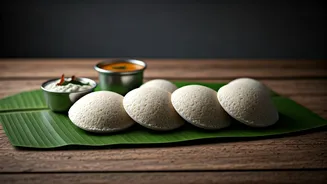
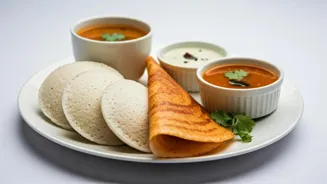
Idli, a steamed savory cake, is primarily made from fermented batter of soaked rice and urad dal (black lentils). This fermentation process enhances its nutritional value. A typical idli is relatively low in calories, with approximately 33 calories per idli. The carb content is around 6 grams. The protein content is about 2 grams, and it offers a small amount of fiber. The glycemic index (GI) of idli is considered to be moderate, which means it can cause a moderate rise in blood sugar levels. The fermentation process also makes it easier to digest. Furthermore, idli is naturally gluten-free and a good source of probiotics from fermentation, which can support gut health. Since it is steamed, it is low in fat and is a healthier option when compared to fried foods.
Dosa’s Nutritional Overview
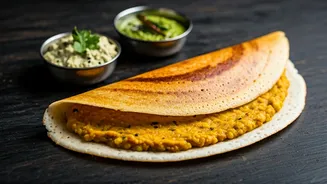
Dosa, a thin crepe made from fermented batter of rice and urad dal, is a staple in South Indian cuisine. The nutritional content of dosa can vary depending on its ingredients. A plain dosa typically has around 100 calories. Carbohydrates usually range from 15-20 grams. Protein content is around 3-4 grams, and it also provides a small amount of fiber. The GI of dosa can vary depending on the recipe; it is typically moderate. Different varieties of dosa exist. For instance, a masala dosa (which includes a potato filling) will have more carbs and calories compared to a plain dosa. The addition of ghee or oil during cooking will increase the fat content. It is important to be mindful of these variations when planning meals for diabetic patients. Using whole grains and controlling the portion size are essential for a balanced diabetic diet.
Portion Control Matters
Regardless of the food's nutritional profile, portion control is a cornerstone of managing diabetes. For both idli and dosa, being mindful of how much you consume is key to controlling blood sugar levels. Instead of eating a large number of idlis, consider having 2-3 idlis for breakfast, which is a moderate serving size. With dosa, a single medium-sized dosa is usually enough. Consider the accompaniments as well. Sambar (lentil-based vegetable stew) and chutney (made from coconut, herbs, and other ingredients) are usually low in carbs, but be aware of added sugar or fat. For diabetics, it is advisable to use a smaller amount of sambar or chutney. Pairing idli or dosa with a source of protein and fiber, like a vegetable and a small portion of lentils, can help slow down the absorption of carbs, thus preventing a spike in blood sugar.
Healthy Eating Strategies
Several strategies can help diabetics enjoy idli and dosa without compromising their health goals. Start by choosing brown rice or other whole grains for the batter. This will increase the fiber content, which will help control blood sugar. Always monitor your blood sugar levels after eating idli or dosa to learn how these foods affect you individually. Keep a food diary to record what you eat and the corresponding blood sugar readings. This will help you tailor your diet. When making or ordering dosa, opt for thinner dosas, as they have fewer carbs than thicker ones. Avoid using excess oil while making dosa. If possible, include vegetables like onions or carrots in the dosa batter to increase the fiber content. Combine idli or dosa with a protein-rich side dish, such as egg white, and include a portion of vegetables like sauteed greens, capsicum or onions.
Expert Dietary Advice
Consulting with a registered dietitian or a certified diabetes educator is advisable for personalized guidance. They can assess your individual needs, considering factors such as your blood sugar levels, medication, and activity level. They can provide customized meal plans incorporating idli and dosa while optimizing your health. A dietitian can also help you understand the concept of carbohydrate counting and how to accurately estimate the carb content of your meals. Furthermore, they can assist you in modifying your recipes to reduce the carb load. For instance, they might suggest swapping some of the rice with oats or ragi in the idli/dosa batter. A professional's advice ensures you make informed choices and enjoy your food without feeling guilty or risking your health. Always collaborate with healthcare professionals for a safe approach to diabetes management.