


The Gas Crunch
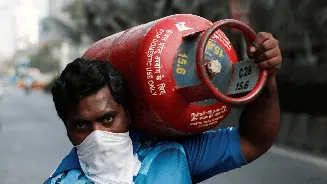
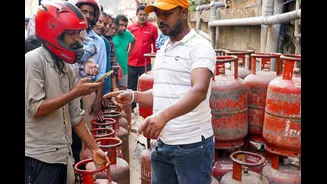
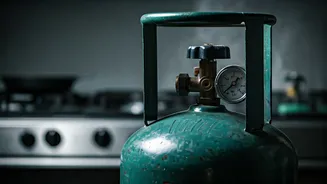
Widespread reports of Liquefied Petroleum Gas (LPG) shortages have begun to surface in prominent Indian metropolises, including Mumbai, Bengaluru, and
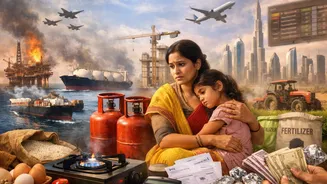
Kolkata. This scarcity is not confined to households, as restaurant associations have noted a significant disruption in the supply of commercial LPG cylinders, with deliveries either halting or becoming erratic over the recent days. The situation has prompted concerns across various sectors, from hospitality and education to residential accommodations, highlighting the critical reliance on this energy source for daily operations and sustenance. The government has, however, stepped in to reassure the public, emphasizing its commitment to ensuring an uninterrupted gas supply for over 33 crore families, particularly those in underprivileged communities, despite ongoing geopolitical tensions in West Asia that could potentially affect energy markets. This assurance aims to alleviate anxieties stemming from the current supply chain disruptions.
A List of Ingenuity
In response to the prevailing LPG shortage, a resourceful user on the social media platform X (formerly Twitter) shared an innovative list of 20 vegetarian dishes that can supposedly be prepared without the need for cooking gas. The curated selection includes a variety of popular Indian snacks and meals, such as sprouts chaat, bhel puri, sev puri, dahi puri, fruit chaat, curd rice, dahi poha, lemon poha, moong dal kosambari, chana chaat, cucumber raita, boondi raita, kachumber salad, peanut salad, curd sandwich, green chutney sandwich, paneer bhurji sandwich, stuffed cucumber, lassi, and masala chaas. This compilation was intended as a practical guide for individuals seeking alternative cooking solutions during times of gas unavailability, showcasing a creative approach to meal preparation that bypasses traditional cooking methods.
Debate and Doubts Arise
The shared list of 20 gas-free dishes quickly ignited a vigorous online discussion, with many users questioning the feasibility of preparing certain items without any cooking. A recurring point of contention was the preparation of fried components essential for popular street food like bhel puri, sev puri, and dahi puri, with users asking how the puris themselves would be fried without gas. Similarly, the preparation of staple foods like boiled rice for curd rice was questioned, prompting debate on how such dishes could be truly 'gas-free'. Further discussions arose regarding the creation of curd, with some users expressing skepticism about its preparation without heating milk. The notion of consuming 'cold chaat' and uncooked, soaked poha also drew criticism from some, who expressed a preference for traditionally cooked meals and questioned the appeal of such dishes.
Challenging Assumptions
The online discourse surrounding the '20 gas-free dishes' list highlighted a fundamental divergence in culinary interpretation and practicality. While the original poster aimed to offer solutions for an LPG crisis by focusing on dishes that require minimal or no heat, many respondents pointed out the implicit cooking steps involved. For instance, preparing curd, a core ingredient in many listed items, typically involves heating milk to a specific temperature before inoculation, a process that usually requires a heat source. Similarly, the base ingredients for dishes like curd rice necessitate boiling grains, and even seemingly simple preparations like tempering spices for curries or chutneys involve a heating process. This has led to a broader conversation about what truly constitutes a 'gas-free' meal, pushing users to reconsider the definition and explore more nuanced approaches to cooking with limited resources.