




The Hidden Dangers of Salt
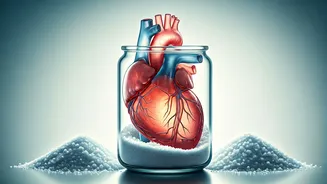
While salt enhances the flavour of our meals, consuming too much of it poses a considerable threat to our health. The World Health Organization estimates
that excessive sodium intake is linked to approximately 1.89 million deaths annually, primarily due to its role as a major contributor to elevated blood pressure and an increased risk of cardiovascular diseases. Our bodies do require a small quantity of sodium to function correctly, but exceeding this need can lead to adverse health outcomes. Reducing sodium consumption is recognized as one of the most effective and economical strategies for improving public health and mitigating the impact of numerous diseases, potentially averting many cardiovascular events and fatalities. It's a critical dietary adjustment for overall longevity and wellness.
Understanding Sodium in Your Diet
Sodium is essential for several bodily functions, including maintaining plasma volume, regulating acid-base balance, facilitating nerve impulse transmission, and ensuring normal cell operations. However, the typical Indian diet significantly exceeds recommended levels, with an average daily consumption of around 11 grams of salt, which is double the advised limit of 5 grams per day. This excess sodium intake is largely attributed to its widespread use as a flavour enhancer and preservative in many food items. Diets high in sodium are associated with a heightened risk of developing high blood pressure, a primary factor contributing to strokes and heart disease. Health authorities recommend that adults consume less than 2000 mg of sodium daily, equivalent to less than 5 grams of salt (approximately one teaspoon). For children aged 2 to 15 years, the recommendation is adjusted downwards based on their energy needs, though specific guidelines for infants and toddlers are not typically addressed in these general recommendations. It's also vital that all salt consumed is iodised, as iodine is crucial for fetal brain development and optimal cognitive function throughout life.
Decoding Food Labels
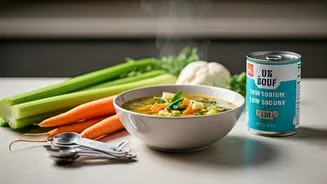
Contrary to popular belief, a substantial portion of our dietary sodium, over 70%, originates from packaged and processed foods rather than the salt we add at the table. Therefore, before reaching for the salt shaker, it's crucial to scrutinize food labels. For instance, in the United States, a significant percentage of consumed sodium comes from items like deli sandwiches, pizza, burritos, tacos, soups, various snacks (chips, crackers, popcorn), poultry dishes, pasta mixes, burgers, and egg-based meals. This highlights the pervasive presence of hidden sodium in the foods we commonly eat, emphasizing the need for informed purchasing decisions and a greater awareness of ingredient lists.
Habits to Curb Salt
Adopting specific dietary habits can significantly help in reducing your daily sodium intake. It is advisable not to add salt directly to staples like rice and dough for chapatis, pooris, and parathas. Furthermore, refrain from sprinkling salt on salads, cut fruits, cooked vegetables, or curd, allowing their natural flavours to be appreciated. It is also recommended to limit the consumption of foods that are inherently high in salt, such as salted butter, salty spice mixes (like chaat masala or jal jeera), chutneys, pickles, papads, ketchups, sauces, and dressings. Additionally, ingredients commonly used in cooking like baking soda, baking powder, and monosodium glutamate (MSG) also contain substantial amounts of sodium and should be avoided in daily meal preparation.