



The Shift to Serenity
Fashion's narrative is changing, moving away from the exuberance of styles designed for immediate gratification, famously dubbed 'dopamine dressing.' The
past few seasons celebrated vibrant hues like intense pinks and electric greens, aiming to create a sartorial buzz. However, as our lives embrace a more measured pace, with a greater emphasis on restorative evenings and mindfulness practices, our approach to dressing is also evolving. Enter 'cortisol dressing,' a philosophy that champions a softer, more introspective relationship with our wardrobes. It prioritizes tranquility over sensory overload and places a premium on comfort, representing a deliberate pivot from outward expression to inward contentment. This trend encourages us to ask a fundamental question: how do I want to feel in my clothes today?
Emotionally Grounded Choices
At its heart, 'cortisol dressing' is deeply connected to our emotional state. The concept draws its name from the body's primary stress hormone, cortisol, and focuses on selecting garments that actively contribute to a sense of calm rather than heightened stimulation. The objective isn't to command attention, but rather to cultivate an environment of ease and well-being. While dopamine dressing was about making a visual statement to the outside world, cortisol dressing encourages an internal exploration of how we wish to feel. There's a growing recognition of how our sartorial choices, much like our surroundings, can profoundly influence our nervous system. Consequently, the emergence of a 'cortisol closet' feels like a natural progression, mirroring a broader cultural inclination towards self-care and emotional regulation through our daily routines and personal style.
A Palette for Peace
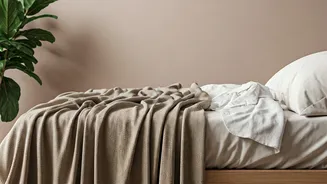
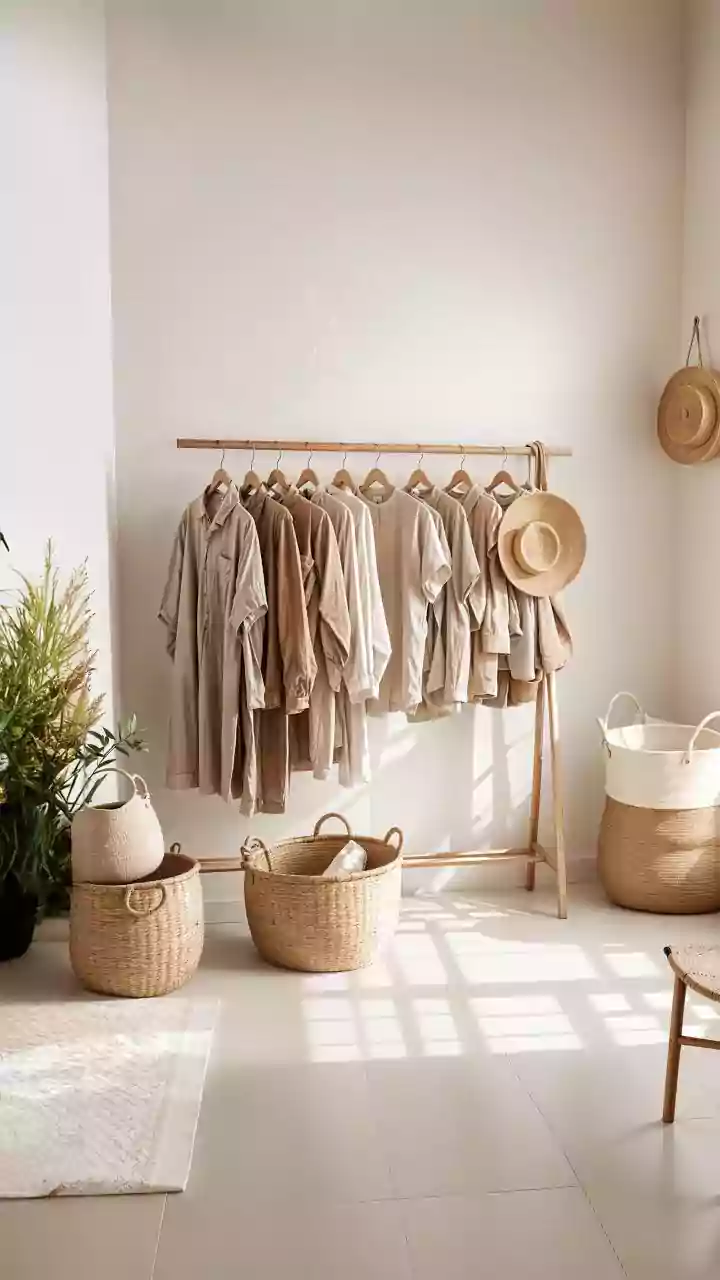
Color plays an instrumental role in this sartorial transformation towards tranquility. While pastel shades have long been associated with spring, their current application within cortisol dressing offers a distinct nuance. Take butter yellow, for instance; it reappears not as a vibrant, attention-seeking shade, but as a gentle, muted tone reminiscent of buttercream, exuding a soft optimism. Dusty blues offer a sense of unwavering stability, while sage greens evoke a profound feeling of groundedness and meditative calm. Neutral shades such as oatmeal, beige, and washed grey serve as visual anchors, providing a sense of understated neutrality without appearing dull. Additionally, dust pink introduces a touch of warmth without veering into overly sweet or saccharine territory, demonstrating how color can be a powerful tool in fostering emotional equilibrium.
Comfortable Silhouettes
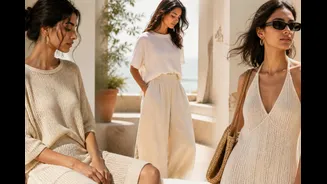
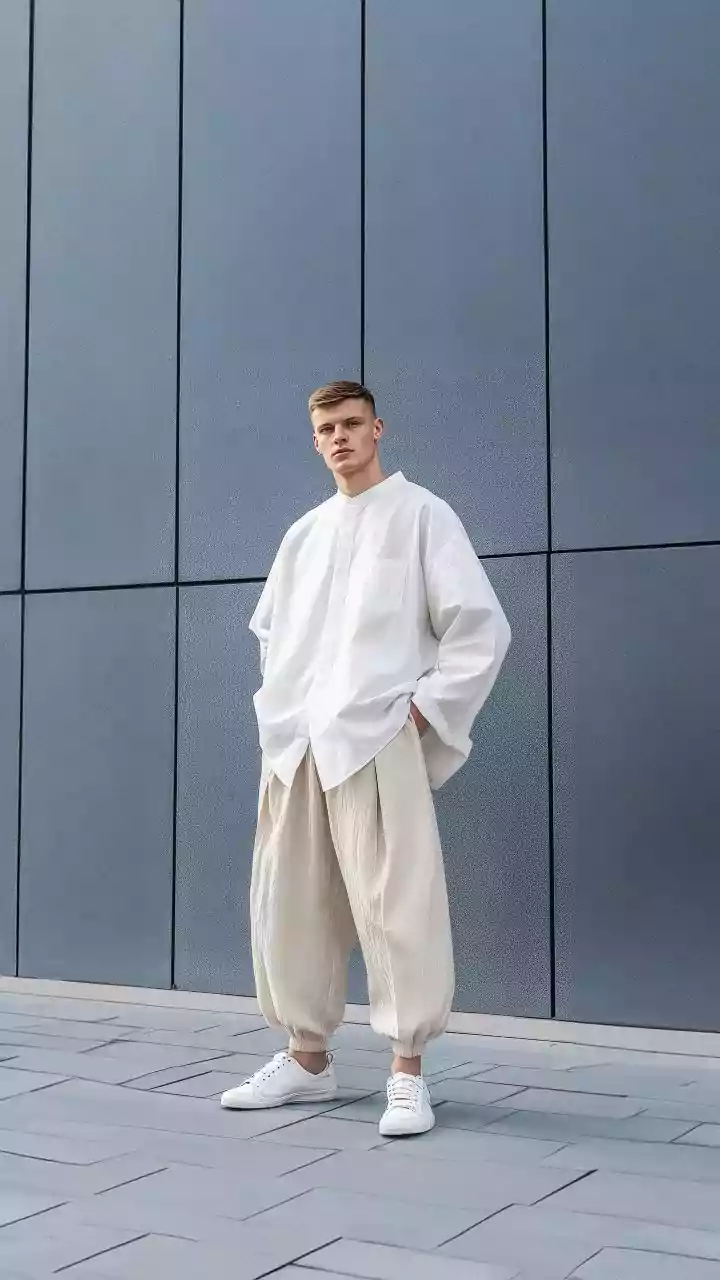
The principles of cortisol dressing extend seamlessly to the choice of silhouettes and fabrics. This trend favors looser fits, fluid tailoring, and materials that feel exceptionally gentle against the skin. Think breathable cottons, soft knits, and comfortable blends that allow for unrestricted movement. There's a deliberate absence of constriction; clothing that is too tight, overly flamboyant, or unnecessarily complex is consciously avoided. The overarching goal is to minimize sensory overload, allowing our attire to function as a comforting buffer against the often overwhelming nature of the external world. This approach transforms dressing into a form of self-regulation, integrating fashion as a mindful practice within a broader context of personal care and well-being.
Fashion as Self-Care
In many respects, cortisol dressing reflects a significant cultural shift. As discussions surrounding mental health, the pervasive issue of burnout, and the pursuit of personal balance gain prominence in mainstream discourse, fashion is responding in kind. The focus has expanded beyond mere aesthetics; it now encompasses how clothing makes us feel, both physically and emotionally. This signifies a move towards style as a form of self-regulation, where the act of getting dressed becomes an integral part of a larger self-care ritual. If dopamine dressing was about actively chasing moments of joy, cortisol dressing is about cultivating and sustaining a state of inner calm. It represents a quieter, more intentional evolution in fashion, one that deeply values subtlety, softness, and emotional resonance, asserting that in a world often saturated with stimulation, the most powerful statement one can make is to simply choose to feel at ease.